New York, Jan 20, 2026, 11:20 EST — Regular session
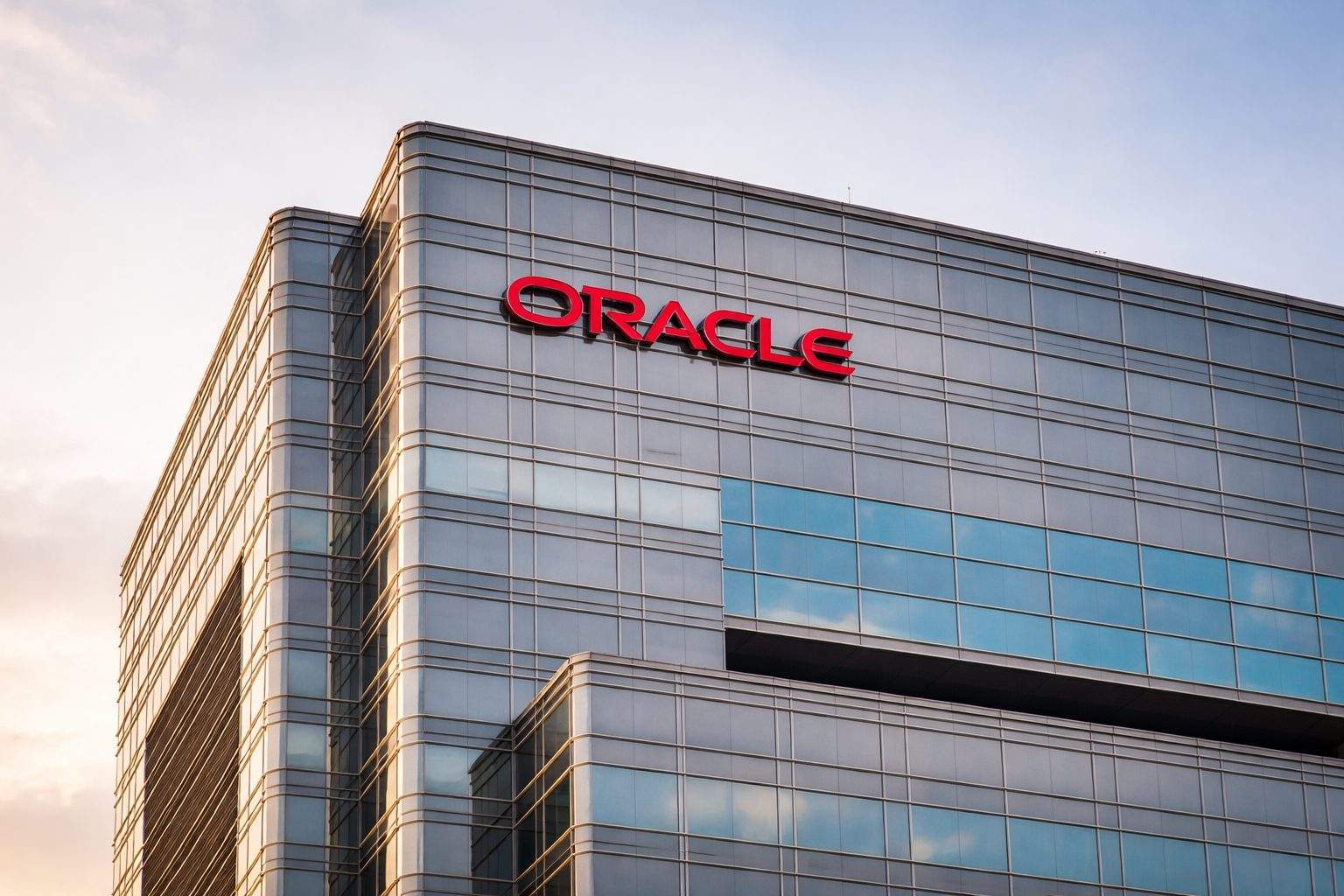
Oracle Corp shares fell 3.9% to $183.71 in late-morning trading on Tuesday, extending losses following a rocky start to 2026 for the software and cloud giant.
The timing is crucial. Oracle has become a stand-in for debt-fueled AI infrastructure bets, and investors have quickly dumped shares at any hint of rising funding costs or waning risk appetite. Back in December, the company revealed that capital expenditures—covering major investments like data centers and servers—would be $15 billion higher in fiscal 2026 than its September forecast.
Tuesday’s selloff hit alongside broader market weakness. U.S. equities dropped after President Donald Trump renewed tariff threats targeting parts of Europe over a spat involving Greenland, shaking investor confidence. “The headlines are going to drive angst,” noted David Lundgren, chief market strategist at Little Harbor Advisors. Reuters
Microsoft dropped around 1.2%, Amazon slid nearly 2%, Alphabet declined about 1.3%, and Nvidia tumbled close to 3%.
Oracle hasn’t had only bad news. On Monday, Information Services Group reported that a growing number of U.S. companies are using Oracle Cloud Infrastructure in addition to AWS, Microsoft Azure, and Google Cloud. ISG partner Bill Huber said firms are “engaging with multiple cloud providers.” Business Wire
Oracle highlighted its upcoming January security patch cycle. In a pre-release notice, the company said Tuesday’s update will cover 336 new security patches across its products.
The ongoing debate around the stock centers on whether Oracle’s cloud backlog will convert into revenue quickly enough to support its expansion. In December, Oracle reported that its remaining performance obligations—contracted work not yet recognized as revenue—increased to $523 billion. At the same time, quarterly revenue climbed 14% to $16.1 billion.
A significant part of that expansion hinges on a $300 billion, five-year deal to provide computing resources to OpenAI. Last week, bondholders took Oracle to court, accusing the company of not fully disclosing the extra borrowing required for its AI investment. Oracle has not responded to requests for comment.
The downside risk remains. Should tariff threats solidify into actual policy, driving yields and credit spreads up, investors could take a harder look at Oracle’s spending — particularly if cloud clients delay their project schedules.
Thursday brings the latest Personal Consumption Expenditures price index, a key inflation measure the Federal Reserve monitors closely.
Oracle’s next major event is earnings, though the company hasn’t pinned down an exact date yet. Nasdaq’s calendar currently points to March 9.