
SYDNEY, Jan 21, 2026, 21:20 AEDT
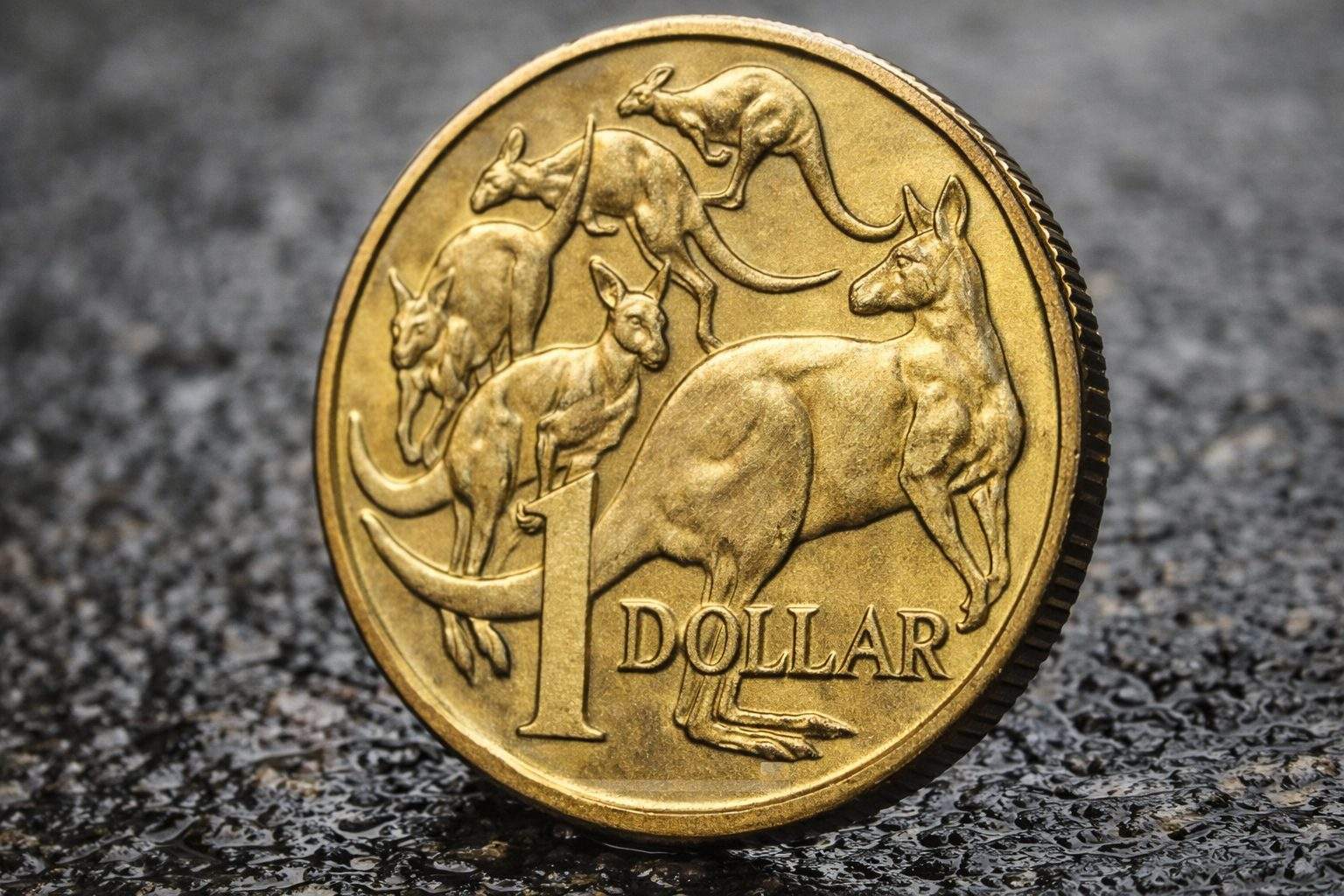
The Australian dollar jumped to 68 U.S. cents Wednesday, marking its strongest close since October 2024. The move came as the U.S. dollar softened amid President Donald Trump’s fresh tariff threats tied to his Greenland acquisition bid. “In a crisis, the Aussie can move four cents in a day,” said Michael McCarthy, moomoo’s CEO and market strategist, speaking to The Nightly. The Nightly
Investors are once again testing the “Sell America” trade—dumping U.S. stocks, Treasuries, and the dollar simultaneously. This move usually drives up U.S. borrowing costs and can quickly unsettle global funding markets. In Asia, the dollar index slipped as much as 0.7%. The euro gained ground, while the Australian dollar stayed near $0.673. The Canadian dollar climbed to about 72.31 U.S. cents, nearing a two-week high. Reuters
Stocks across Wall Street, Europe, and Asia tumbled Tuesday, with the S&P 500 dropping 2.06%, marking its worst single-day slide in three months. Concerns flared over a Greenland dispute that might spark a fresh trade conflict with Europe. Wasif Latif, chief investment officer at Sarmaya Partners, said the incident exposed “shifting market perceptions of common alliances.” Reuters
Market anxiety indicators ticked higher but didn’t quite hit panic levels, even as worrying headlines piled up. Michael Brown, a market analyst at Pepperstone, said the market moves “feel” more severe than they really are, pointing to an extended stretch of calm that’s left investors jittery. Reuters
Gold, often seen as a safe haven amid political chaos, blasted past $4,700 an ounce, setting another fresh record. Silver didn’t lag much, briefly topping $95 to mark its own peak. “Gold has surged deeper into uncharted territory as investors hedge against rising political risk,” said Fawad Razaqzada, market analyst at City Index and FOREX.com. Reuters
Concerns are starting to affect long-term investment strategies, not only short-term trades. Denmark’s AkademikerPension is set to sell its approximately $100 million holding in U.S. Treasuries before the month ends. Investment director Anders Schelde cited growing U.S. debt and political uncertainty as major factors behind the decision.
U.S. Treasury Secretary Scott Bessent brushed off concerns about a foreign sell-off of Treasuries during his Davos remarks, calling “Denmark’s investment in the U.S. Treasury bonds … irrelevant.” He said, “I’m not concerned at all.” Bessent also urged European critics to “take a deep breath” and wait until they hear Trump’s case. Reuters
Australia’s second-largest pension fund is ramping up currency hedging to curb its U.S. dollar exposure amid a dimmer outlook. Andrew Fisher, general manager of total portfolio management and resilience at Australian Retirement Trust, noted markets have factored in about 50 basis points of U.S. rate cuts for 2026 – that’s half a percentage point – even as rates are expected to rise in Japan and Australia.
By around 0900 GMT Wednesday, the dollar clawed back some losses against the euro and Swiss franc, as investors hesitated before Trump’s Davos speech, following a sharp selloff in U.S. assets the previous day. Thierry Wizman, global forex and rates strategist at Macquarie Group, highlighted the critical question: could any “common ground” be found—potentially a NATO-led joint administration of Greenland? Reuters
European Commission President Ursula von der Leyen revealed the EU is preparing a package to strengthen Arctic security, firmly ruling out any talks on Denmark’s and Greenland’s sovereignty. From Davos, U.S. Commerce Secretary Howard Lutnick warned the EU against retaliation and described the dispute as a brief “kerfuffle,” expecting a resolution soon. Reuters
Markets are still all over the place with so many factors in flux. If Trump backs off on tariffs or EU leaders dig in, the dollar could bounce back, sending the Australian dollar sharply lower. But if trade tensions escalate, a global slowdown could hit commodity demand and drag on Australia’s outlook—even if the dollar slips.
Australian economists point to a weaker U.S. dollar as a potential boon, lowering costs for U.S. travel and some imports. But they warn that rising U.S. bond yields and an escalating trade conflict might tighten financial conditions and weigh on global demand—risks that could spill over to Australia. “We should take it seriously,” said AMP chief economist Shane Oliver. Betashares chief economist David Bassanese warned the scenario could “ultimately backfire” on the United States. SBS Australia
Sweden is staring down an immediate hit to its trade with the U.S. The country’s Board of Trade warns exports could fall by up to 28% if Trump pushes through his tariff plan. The tariffs would start at 10% on Feb. 1, then jump to 25% on June 1—unless a Greenland deal gets done.
Some strategists see opportunity in the current upheaval. According to International Financing Review, major banks such as Deutsche Bank, Goldman Sachs, Morgan Stanley, and Societe Generale have identified the Australian dollar and Swedish krona as likely winners this year amid ongoing geopolitical strains. Why? Investors may favor strong fiscal positions as they seek alternatives to the U.S. “Fiscal positions are going to become more important,” said Rabobank’s Jane Foley. ifre.com
Related articles: Stock Market