New York, January 23, 2026, 04:58 a.m. EST — Premarket
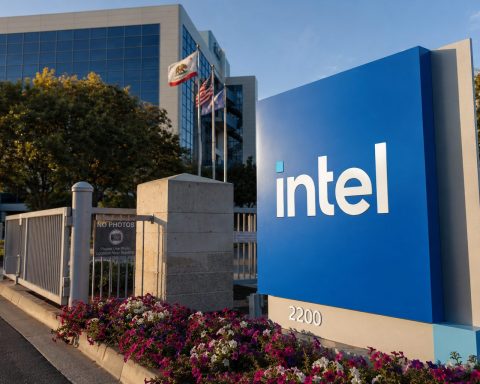
Intel Corp shares plunged about 14% to $46.69 in premarket trading Friday following a warning that first-quarter results will miss Wall Street expectations, alongside concerns over tight supply for key products.
Intel’s warning arrives at a delicate moment. Investors counted on a boost from AI data centers and fresh PC models, but the stock’s drop signals fading patience for another quarter where supply can’t keep up with demand.
Intel’s stock rallied earlier this month on expectations of booming AI-related sales, but the latest outlook paints a different picture. CFO David Zinsner flagged supply constraints as the main issue, predicting tighter availability in Q1 before conditions improve later in the year.
Intel revealed Thursday night that its fourth-quarter revenue fell 4% year-over-year, landing at $13.7 billion. The company reported a GAAP loss of 12 cents per share, while adjusted earnings reached 15 cents. Looking ahead to Q1, Intel projects revenue between $11.7 billion and $12.7 billion, with adjusted earnings expected to hover around zero. CFO Zinsner added, “We expect our available supply to be at its lowest level in Q1.” SEC
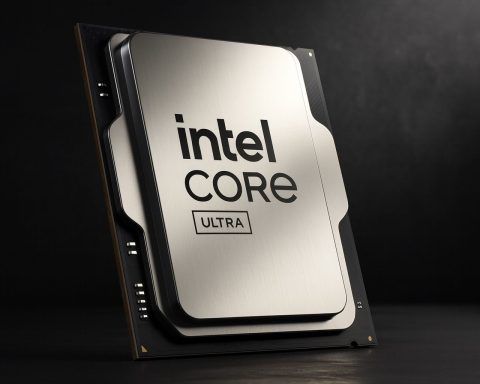
On a call, CEO Lip-Bu Tan and his team acknowledged they were caught off guard by a spike in demand for server CPUs that pair with Nvidia’s top AI graphics chips, even as Intel’s factories are already running at full capacity. Intel’s revenue forecast missed analysts’ consensus of $12.51 billion, and earnings are expected to come in below the 5 cents per share predicted, according to LSEG data cited by Reuters. Michael Schulman, CIO of Running Point Capital, was blunt: “Intel’s turnaround story remains supply-constrained rather than demand-constrained.” Reuters
The squeeze matters because data-center chips typically bring in higher profits than PCs, and Intel is investing heavily in overhauling both its product range and manufacturing. Missing deadlines on these high-margin parts could delay the financial gains investors are counting on.
Options traders seemed to be positioning themselves ahead of Friday’s open. Nasdaq data showed a surge in Intel options activity Thursday, especially in $50 strike put options due January 23. These puts offer a way to lock in a selling price, often used as downside protection.
The path forward is anything but simple. If Intel doesn’t increase supply in the second quarter, it risks losing sales amid a critical AI growth phase. Yet, boosting production while grappling with poor yields could squeeze margins right when they need to strengthen.
Related articles: NASDAQ:INTC