
NEW YORK, Jan 24, 2026, 02:48 EST
- Intel plunged after issuing a weak forecast for the first quarter, dragging down market sentiment
- Dow closed lower, with the S&P 500 barely moving after a week dominated by tariff concerns
- Investors shift focus to the upcoming earnings season, spotlighting tech companies
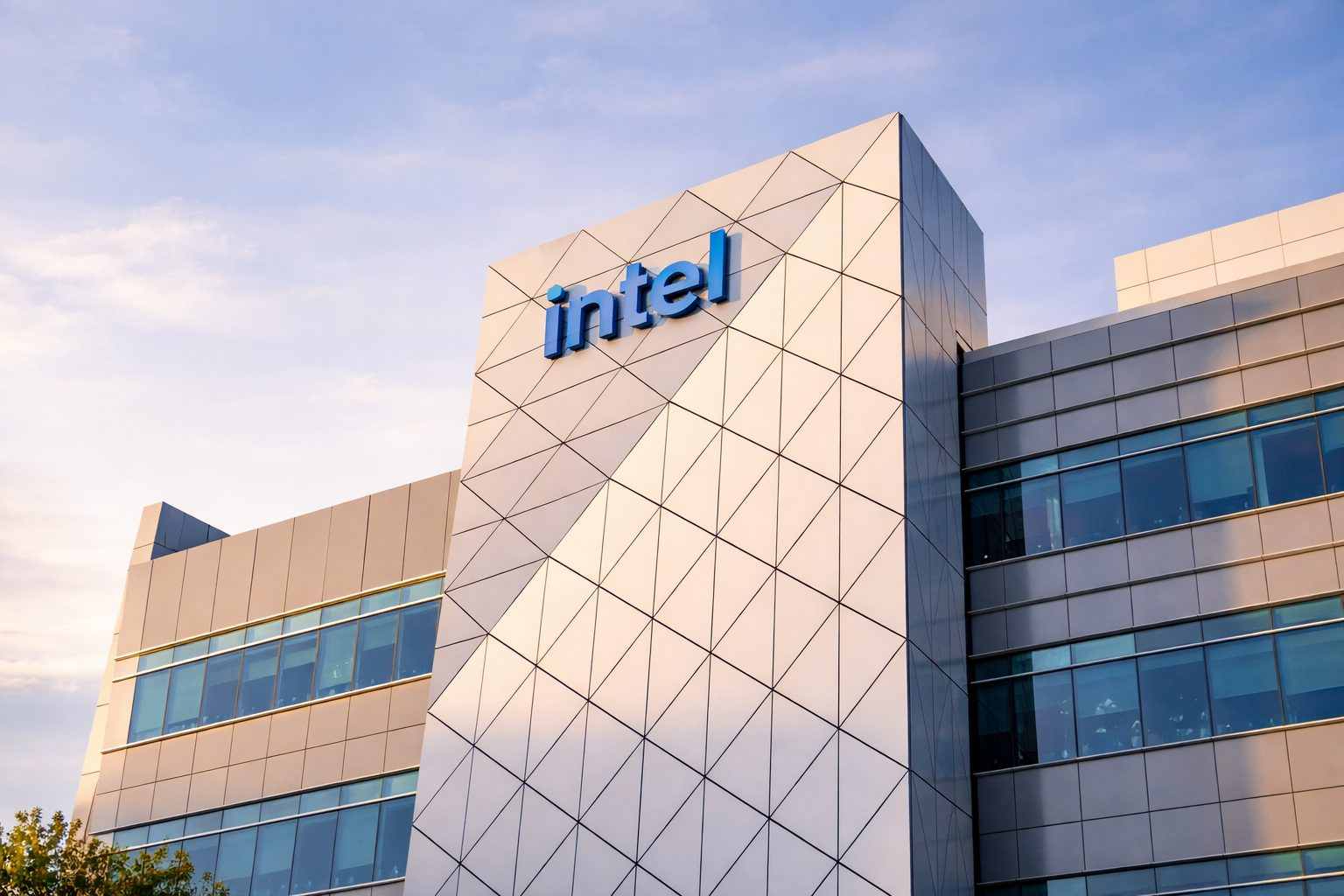
Wall Street closed out a volatile week with the Dow slipping and the S&P 500 holding almost flat on Friday. Intel’s disappointing first-quarter outlook weighed heavily on its stock and dulled risk appetite across the board.
The reaction is crucial now as investors demand proof that hefty AI investments are generating revenue, not just swelling costs and squeezing margins.
Speed is another issue. This week’s tariff chatter and rapid geopolitical shifts sent markets swinging, and traders are now quick to see any guidance miss as a red flag.
The Dow Jones Industrial Average dropped 285.30 points, or 0.6%, ending at 49,098.71. The S&P 500 edged up 2.26 points to 6,915.61, and the Nasdaq climbed 65.22 points, closing at 23,501.24, according to the Associated Press.
Intel’s decline caught attention, even as some Big Tech names held steady. Strategists are flagging 2026 as a possible “show-me” year for AI-driven growth. Jason Blackwell, chief investment strategist at Focus Partners Wealth, said, “We’re feeling pretty good, but mindful we might have some significant twists and turns.” Janus Henderson’s portfolio manager Julian McManus described the current phase as a “show-me” period for AI revenue and remarked, “I personally don’t see Intel being in the haves.” Reuters
Intel reported fourth-quarter revenue of $13.7 billion, with adjusted (non-GAAP) earnings per share coming in at $0.15, excluding certain items. The company expects first-quarter revenue between $11.7 billion and $12.7 billion and anticipates break-even adjusted earnings. CEO Lip-Bu Tan emphasized that Intel is “working aggressively to grow supply to meet strong customer demand.” Intel Corporation
Executives acknowledged the company couldn’t keep up with demand for server chips powering AI data centers, despite factories running full tilt. “In the short term, I’m disappointed that we are not able to fully meet the demand in our markets,” Tan told analysts. Finance chief David Zinsner added that cloud customers “were all a little bit caught off guard” by the sudden jump in demand. Reuters
Thursday’s bounce paved the way for a rocky end to the week as investors clung to hints of tariff easing and sturdy U.S. economic data. “It’s very weird to wake up every day as a money manager and you do not know whether it is Christmas morning or Friday the 13th,” said Gregg Abella, CEO at Investment Partners Asset Management. Reuters
U.S. stock futures dipped a bit Friday morning following two days of gains, with Intel’s decline dragging the market lower, RTTNews reported.
FX Leaders noted the dollar slipped despite strong U.S. data, with traders zeroing in on geopolitical risks instead of economic fundamentals.
The bigger question is whether companies can keep their forecasts on track amid a market bouncing between sudden shocks and lofty hopes. If supply bottlenecks persist at Intel, or AI demand drops off quicker than expected, chip stocks might suffer again — and with tech valuations so stretched, there’s little room for error when guidance falls short.
Oilfield services giant SLB outperformed fourth-quarter profit forecasts and projected more than $4 billion in shareholder returns via dividends and buybacks this year. CEO Olivier Le Peuch signaled that North America land activity will continue its year-on-year slide.
Ericsson announced it will begin its first-ever share buyback in Europe, aiming to repurchase up to 15 billion crowns ($1.7 billion) after surpassing quarterly earnings estimates. Finance chief Lars Sandström noted it’s “a bit early to say” how much the EU’s planned phase-out of high-risk suppliers might affect market share. Reuters
First Citizens BancShares dropped after forecasting 2026 net interest income—basically the spread between loan earnings and deposit costs—would come in below Wall Street’s estimates. CFO Craig Nix told analysts, “Given continued rate cuts, we expect loan interest income to decline.” Truist analyst Brian Foran weighed in, saying the key question now is whether the latest rate cut marks “the final cut.” Reuters
Related articles: NASDAQ:INTC