SYDNEY, Jan 26, 2026, 20:22 AEDT
- The Aussie sits near $0.692, hitting its strongest point since September 2024 during thin holiday trading.
- As the U.S. dollar weakens sharply, investors are adjusting their expectations for Australian interest rates to rise in 2026
- Gold and silver prices hit record highs, underscoring the risk-off sentiment behind the shift
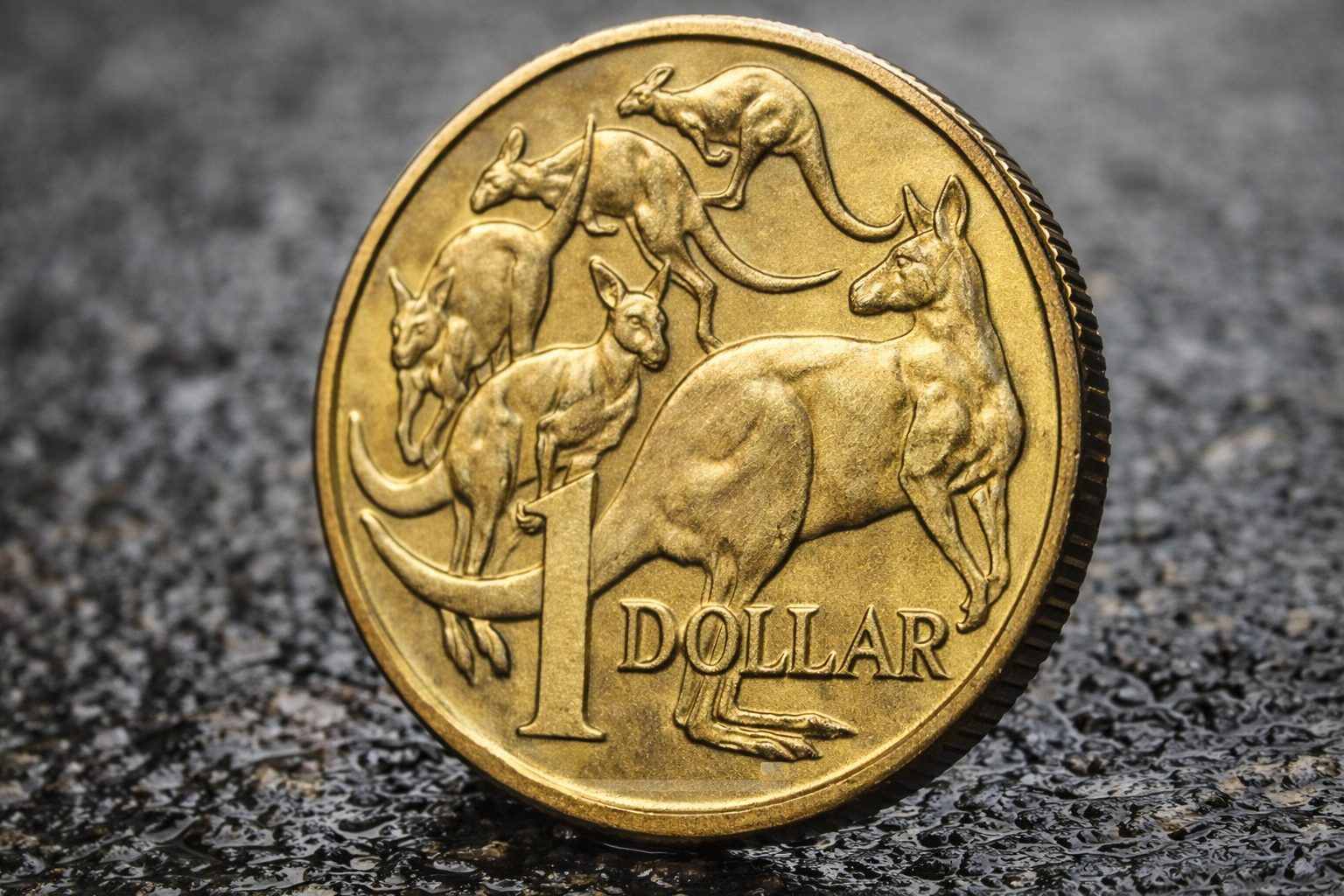
The Australian dollar surged to its strongest level since September 2024 on Monday, trading close to $0.6917. This spike followed a broad sell-off in the U.S. dollar, triggered by a sharp rebound in Japan’s yen. Thin liquidity, thanks to holidays in Australia and New Zealand, pushed volatility higher throughout the session.
The shift matters now because currency markets are juggling two challenges at once: revising interest-rate expectations and reassessing what counts as “safe” assets. When both recalibrations coincide, even small changes in sentiment can trigger sharp moves in exchange rates.
The Australian dollar has surged to its strongest level in about 16 months, signaling growing tensions, according to Nine Entertainment’s 9News. A solid jobs report is stirring bets that the Reserve Bank of Australia could hike interest rates again.
The Australia Day holiday on Monday cut local market liquidity sharply. The ASX cash market was closed, leaving fewer domestic traders available to manage offshore flows throughout the session.
InvestingLive analyst Adam Button highlighted that the Aussie gained momentum after last week’s jobs data, with traders increasingly “sniffing out rate hikes.” He referenced the overnight index swap (OIS) curve—a key tool for derivatives traders tracking rate bets—showing the cash rate climbing to around 4.30% by year-end, up from today’s 3.60%. The market currently prices in about a 63% chance of a hike in February. InvestingLive
The RBA’s cash rate target remains steady at 3.60%, unchanged since August after a cut earlier in 2025. This key overnight rate between banks influences borrowing costs throughout the economy. The central bank’s next policy meetings are scheduled for Feb. 2–3 and Mar. 16–17.
Outside Australia, concerns about intervention in yen markets weighed on the dollar. Tim Kelleher from Commonwealth Bank of Australia flagged U.S. involvement in “rate checks” as a significant shift in their approach. Marc Chandler of Bannockburn Capital Markets called the yen’s moves “the precipitating trigger” that set off wider dollar selling. Reuters
Precious metals climbed again, with spot gold rising 2.2% to $5,089.78 an ounce after earlier hitting a record $5,110.50. Silver jumped 4.8% to $107.903, having surged to a new high of $109.44. Kyle Rodda, an analyst at Capital.com, attributed the rally to a “crisis of confidence” in U.S. assets. Reuters
The Australian dollar is caught in a tight spot: climbing metals prices are pushing export earnings up, even as bets on rate hikes lure yield-hungry investors. Put those factors together, and the currency frequently outperforms what the local headlines suggest.
The trade can flip just as quickly. If inflation data or hints from the RBA cool early-rate hike bets, the Aussie could lose ground fast. Thin holiday liquidity only raises the stakes for sharper drops. On top of that, an unexpected Fed decision or yen intervention would likely keep major currencies on edge.