
New York, Jan 28, 2026, 12:24 PM ET — Regular session
- Shares of GE slipped midday after Boeing flagged a potential durability issue with 777X engines.
- GE announced this week that it hit a major milestone in ground-testing a NASA-backed hybrid-electric turbofan.
- The Federal Reserve’s policy decision is scheduled for later Wednesday, drawing intense focus.
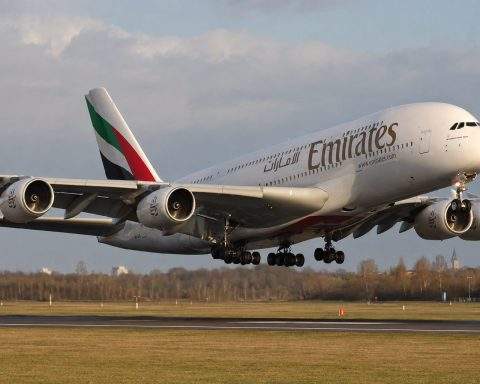
Shares of GE Aerospace (GE.N) fell 1.7% to $292.35 in midmorning trading in New York on Wednesday. The drop followed Boeing’s warning of a potential durability issue with GE engines on its 777X widebody. Boeing CEO Kelly Ortberg said the problem won’t delay the first deliveries, which remain slated for 2027.
For GE, the 777X doesn’t drive big volume like single-aisle jets. But it’s a flagship program with a high-profile engine, so any hiccups quickly draw scrutiny in markets already keyed up on reliability issues.
Timing matters. Investors are trying to pinpoint how much of GE’s earnings stem from consistent service work, as opposed to profits driven by improved efficiency at its planemaking units.
On Monday, GE Aerospace announced it had completed a ground test of a modified Passport engine, successfully demonstrating power transfer, extraction, and injection in a high-bypass turbofan as part of a NASA project. “Our latest milestone successfully demonstrated a narrowbody hybrid electric engine architecture that doesn’t require energy storage to operate,” said Arjan Hegeman, the company’s vice president of future of flight. GE Aerospace
Hybrid-electric propulsion combines conventional jet thrust with electric motor-generators that can either add power or pull energy from the engine. Though promising, it remains years away from commercial use and grapples with hefty cost and certification hurdles.
CFM International’s hybrid-electric project falls under its RISE technology program, aimed at the upcoming generation of single-aisle engines. Competitors Pratt & Whitney, part of RTX, and Honeywell have also landed NASA HyTEC development contracts, according to FlightGlobal.
Despite the recent dip from its highs, analysts are largely bullish. JPMorgan lifted its December 2026 price target for GE to $335 from $325, keeping an “overweight” stance. The bank expects steady growth and solid cash flow in the years ahead, valuing the stock at 40 times projected 2027 earnings. GE currently trades around 37 times earnings, JPMorgan noted, underlining the price-to-earnings ratio as a key valuation focus. Investing.com
The S&P 500 briefly crossed 7,000 on Wednesday before retreating, with traders digesting Fed signals alongside a wave of key tech earnings. The wider market, however, failed to gain much traction.
GE’s latest quarterly results raised the bar. On Jan. 22, the company forecast adjusted EPS for 2026 between $7.10 and $7.40, just edging past the $7.11 consensus from analysts. It also predicted low double-digit revenue growth, fueled by airlines leaning more on maintenance amid constrained aircraft deliveries. More than 70% of its commercial engine revenue comes from the “aftermarket” — parts and services for repairing and maintaining engines already in use. Reuters
Downside risks remain. Airlines keep complaining about soaring maintenance bills and long repair delays, blaming shortages of engines and spare parts. GE’s CEO pushed back, saying current prices reflect the heavy investments and risks the company is taking on.
Investors are focused on the Fed’s announcement and Chair Jerome Powell’s comments later Wednesday, searching for hints on industrials’ valuations. For GE Aerospace, new info on the 777X inspection—or signs the issue extends beyond what was first reported—could spark the next major shift in the stock.
Related articles: NYSE:BA