
NEW YORK, Jan 28, 2026, 21:02 EST
- Rivian shares ended the session at $15.20, roughly 30% lower than their closing price in late December.
- The EV maker will release its fourth-quarter and full-year results after the market closes on Feb. 12.
- Volkswagen’s high-stakes software deal with Rivian is back under the spotlight as both firms advance a new vehicle platform.
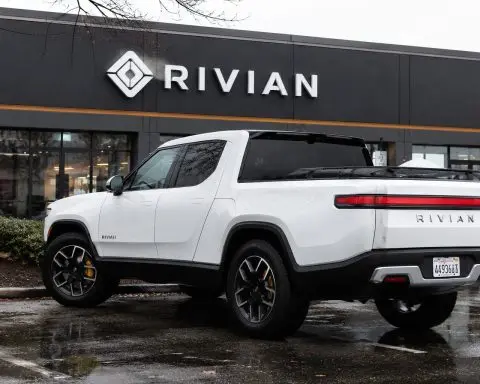
Rivian Automotive shares slipped 0.5% Wednesday, ending at $15.20 as the company gears up for its Feb. 12 earnings release. The stock has tumbled roughly 30% since closing at $21.75 on Dec. 22, hitting an intraday low of $15.56 on Jan. 26.
The slide is significant as Rivian’s upcoming quarterly report will reveal if it can continue shrinking losses amid patchy demand for its pricey electric trucks and SUVs. Investors are also eager for signs that the company’s software and services efforts are advancing, rather than just burning through cash.
Rivian is aiming to expand its lineup beyond the R1T pickup and R1S SUV with the smaller, more affordable R2 set to arrive in the first half of 2026. The automaker has been under pressure from a slowdown in EV demand and mounting competition following the expiration of the U.S. $7,500 tax credit for new electric vehicles at the end of September.
The stock’s retreat has wiped out much of the gains from Rivian’s first Autonomy and AI Day last December, when the company unveiled plans to develop its own self-driving chip and market driver-assistance features. “The event exceeded our expectations,” James Picariello, a senior analyst at BNP Paribas, said in a note back then. Reuters
Rivian will report its Q4 and full-year 2025 earnings after the market closes on Feb. 12, followed by an audio webcast at 5 p.m. ET. The company said it produced 10,974 vehicles and delivered 9,745 in the fourth quarter, with total deliveries for 2025 hitting 42,247.
Focus is sharpening on Rivian’s software deal with Volkswagen, seen by investors as key to the German automaker’s race to keep pace in a car world increasingly defined by software updates and coding. “The pressure on him is vast,” said investor Marc Liebscher of SdK to Reuters. Volkswagen is currently conducting winter tests in Sweden, linked to unlocking the next $1 billion payment based on progress with the new system. Reuters
Rivian’s partner hinted the collaboration might extend past electric vehicles. “Our clear focus is on BEV implementation,” Carsten Helbing, co-CEO of the joint venture RV Tech, told Reuters in November; BEV stands for battery-only electric vehicle. Reuters
Industry site eletric-vehicles.com pointed to Rivian’s four-week drop as tied to fears over the Volkswagen partnership and weakening demand after failing to meet delivery goals. The site noted that most of the stock’s gains since December’s autonomy announcement have now vanished.
The earnings report is fueling fresh debate over Rivian’s business strategy. The Motley Fool noted investors are eager for “much-anticipated color” on a shift toward software and services, including after-sale operations like repairs and remarketing. The Motley Fool
StockStory highlighted a similar tension in a recent note: fast revenue growth and better earnings-per-share trends, but vehicle volumes are growing slowly. This combination could push Rivian toward more discounting and increased spending just to maintain delivery momentum.
The downside is straightforward. Should demand remain weak and the R2 launch be delayed, Rivian may have to make harder decisions on spending, pricing, and factory use, potentially extending losses beyond investor forecasts.
Rivian’s stock has been all over the place as the EV sector remains turbulent. Tesla’s aggressive pricing and rapid updates keep the pressure high, while smaller names like Lucid continue to burn through cash. For Rivian, the key date is Feb. 12. That’s when investors will get a clearer picture on profitability, product rollout, and whether the Volkswagen partnership develops into more than just a news story.
Related articles: NASDAQ:RIVN