
New York, Jan 30, 2026, 13:35 EST — Regular session
- The Dow closed Thursday higher by 55.96 points, gaining 0.1%. The S&P 500 slipped 0.1%, and the Nasdaq dropped 0.7%.
- U.S. producer prices climbed 0.5% in December, driven by a 0.7% increase in services while goods prices held steady.
- A change at the Fed chair and stronger inflation data pushed the dollar higher and sent gold tumbling early Friday, leaving interest rates in control.
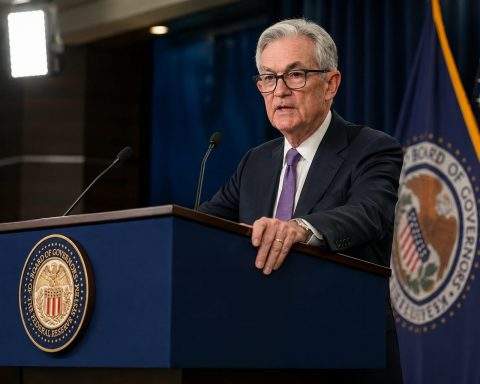
The Dow Jones Industrial Average dropped sharply on Friday following Donald Trump’s nomination of Kevin Warsh to head the Federal Reserve, while new inflation figures dampened expectations for rapid rate cuts. By 11:58 a.m. ET, the Dow had fallen 421.27 points, or 0.86%, settling at 48,650.29.
Investors are debating if Warsh will take a hawkish stance—favoring higher rates to curb inflation—or align with the White House’s call for looser policy. “There is a general sense of hawkishness in the market,” said Ipek Ozkardeskaya, senior analyst at Swissquote Bank. Business Recorder
Timing plays a role here. As the month wraps up, stocks follow a strong kickoff to 2026. Despite Friday’s pullback, the Dow and S&P 500 remain set for gains in January.
The U.S. Labor Department reported the producer price index, measuring prices charged by businesses, climbed 0.5% in December—higher than economists had predicted. Carl Weinberg, chief economist at High Frequency Economics, commented, “This report validates the pivot of the Fed away from labor market risks back toward price stability.” Reuters
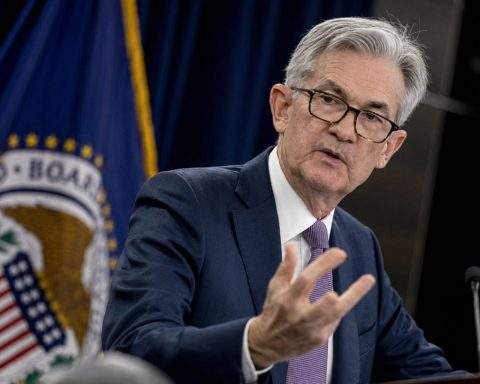
The Fed kept its benchmark rate steady this week, holding firm in the 3.50%-3.75% bracket and hitting pause on a rate cut cycle that had buoyed stocks. Still, interest-rate futures suggest at least two quarter-point cuts before the end of 2026; for clarity, a quarter point equals 25 basis points, and a basis point is one-hundredth of a percentage point. “The economy is doing okay, but inflation is a bit sticky,” said Tim Holland, chief investment officer at Orion. Reuters
Thursday gave a snapshot of sentiment: the Dow managed a slight gain, while the Nasdaq dipped as investors digested earnings and debated if mega-cap bets on artificial intelligence will yield swift returns. “There are all sorts of storm clouds in the background,” said John Praveen, managing director and co-CIO at Paleo Leon. Reuters
American Express projected earnings per share for 2026 between $17.30 and $17.90, but its shares slipped after the company reported a slight miss on holiday-quarter profits. CFO Christophe Le Caillec told Reuters there’s “no discontinuity” in sight, highlighting strong spending among younger customers. The firm also outpaced Mastercard and Visa last year. Reuters
Visa’s quarterly profit beat expectations, yet analysts zeroed in on rising costs and a slowdown in cross-border activity—a key indicator of travel and global commerce that investors track closely. Evercore ISI noted the shares “sold off modestly” after the company raised its operating-expense forecast and signaled some softness in cross-border volumes. Reuters
The trade is anything but smooth. Initial moves after Warsh’s nomination were uneven, with a steep drop in gold and silver adding to a risk-off mood that could flip quickly if rates and the dollar settle.
Next up for investors is the labor market, with the January U.S. nonfarm payrolls report scheduled for Feb. 6 at 08:30 a.m. ET. This key release could shift rate-cut expectations and influence the week’s trading mood.
Related articles: Federal Reserve