
New York, February 2, 2026, 13:32 EST — Regular session
- Spot gold fell 3.8%, dipping to around $4,680 per ounce after trading within a $480 intraday range
- After the close, CME will raise margin requirements for gold futures, increasing cash demands on traders
- Attention shifts to U.S. jobs data on Feb. 6, the upcoming key indicator for rates and the dollar
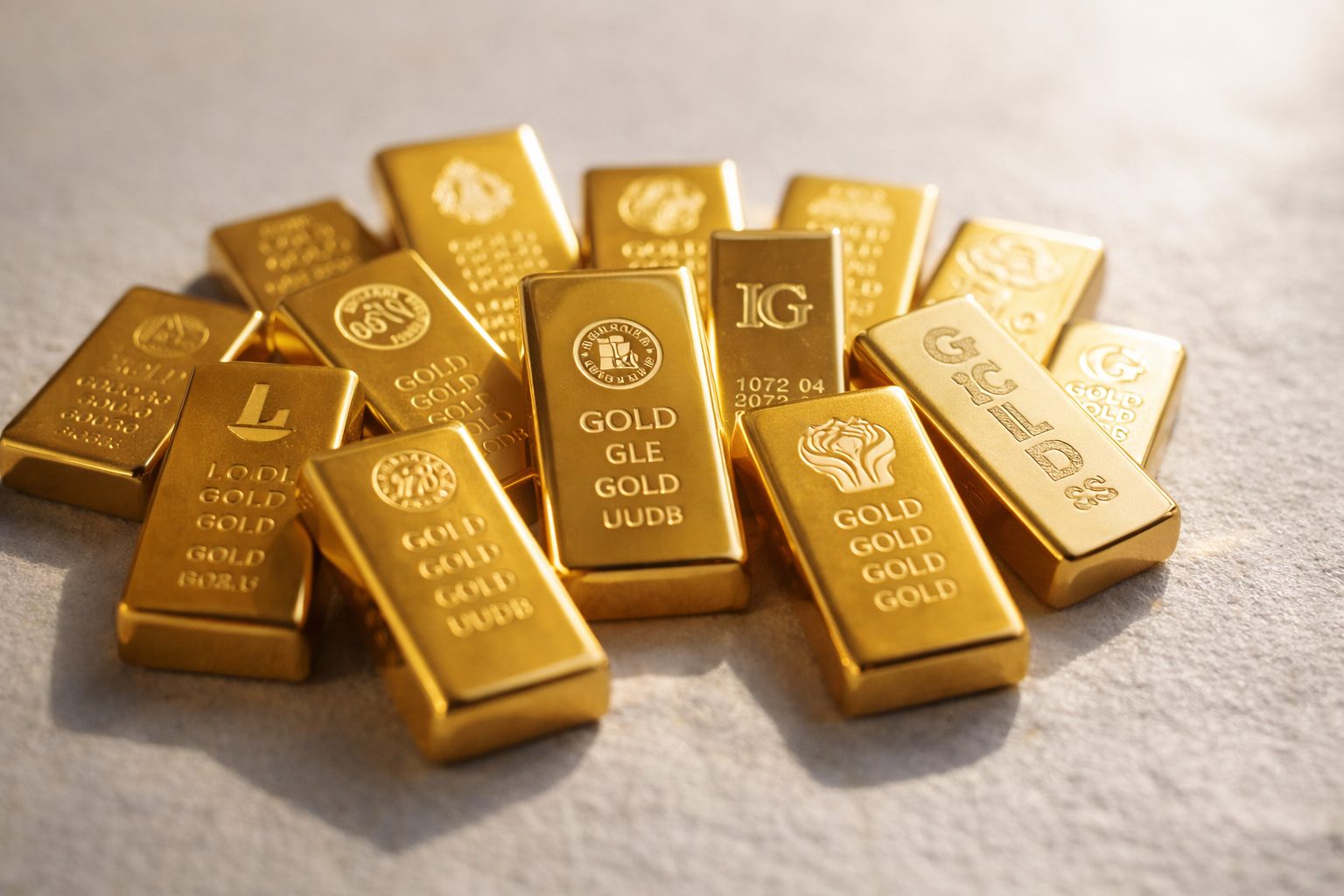
Gold slipped again on Monday, with spot bullion dropping 3.8% to roughly $4,679 an ounce by early afternoon in New York. It hit a low of $4,402 earlier. U.S. gold futures also edged down about 0.9%, settling near $4,704.
The sharp sell-off comes after last week’s record highs, marking one of the steepest two-day declines in years. Gold has tumbled about $900 from its late-January peak, with Friday’s drop erasing nearly all of this year’s gains.
Selling accelerated after U.S. President Donald Trump tapped former Federal Reserve governor Kevin Warsh to replace Chair Jerome Powell—a move some saw as a sign of a tougher stance and a boost for the dollar. Vivek Dhar, strategist at Commonwealth Bank of Australia, noted that the sharp sell-off in precious metals and stocks points to investors betting on Warsh being “more hawkish.” Tony Sycamore from IG compared the scale of the sell-off to “the dark days” of 2008. Reuters
Another hit came right after the bell. CME Group announced that performance bond requirements—the margin traders need to hold futures—will increase after Monday’s close. Their notice revealed COMEX 100 gold futures margins jumping from 6% to 8% for standard positions, with even steeper hikes for higher-risk categories.
SP Angel analyst John Meyer described the situation as a “rollercoaster ride,” noting that some funds linked to gold-backed ETFs, which hold physical bullion but trade like stocks, saw outflows. Deutsche Bank’s Michael Hsueh dismissed the idea of a “sustained reversal,” highlighting continued volatility in both positioning and prices. Reuters
Silver dropped more sharply than gold for the second day running, deepening a selloff that has wiped away much of last week’s record gains. Platinum and palladium edged lower too, spreading the weakness across the precious metals sector.
JPMorgan remains bullish on gold’s long-term outlook, predicting central banks and investors will push prices to $6,300 an ounce by the end of 2026. The bank also projects central banks will purchase roughly 800 tons this year.
The near-term outlook remains tangled. Rising margins might trigger further deleveraging, and a stronger dollar would continue to weigh on metals priced in greenbacks. At the same time, any renewed risk spike could swiftly boost safe-haven demand.
After the close, all eyes will be on price moves following the CME margin adjustments, to see if volatility eases or intensifies. The next major macro event is Friday’s U.S. employment report, set for Feb. 6 at 08:30 a.m. ET. Job openings data arrives Tuesday, with U.S. inflation numbers due later this month.
Related articles: ASX:CBA