
New York, Feb 3, 2026, 13:37 EST — Regular session
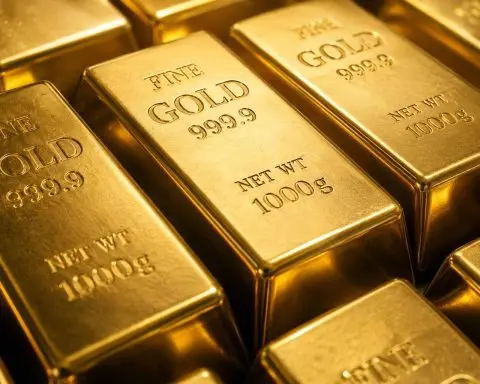
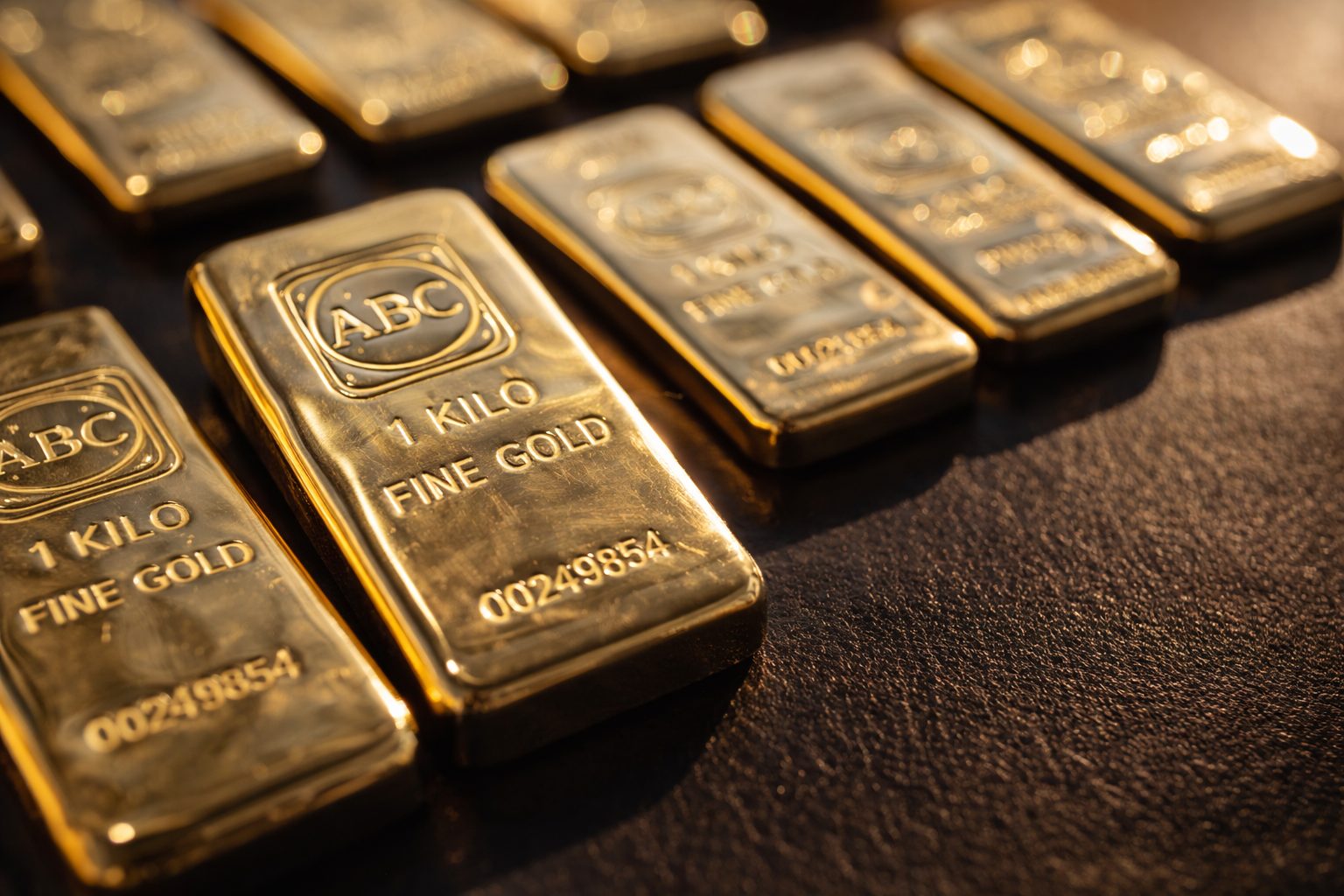
Gold price jumped nearly 7% on Tuesday as dip buyers moved in after a historic two-day selloff, with silver also snapping back sharply. Spot gold rose 6.9% to $4,985.44 an ounce by 11:40 a.m. ET, while U.S. gold futures for April delivery gained 7.7% to $5,011; silver climbed 11.7% to $88.74. “I view the recent losses as corrective within the long-term uptrend,” said Peter Grant of Zaner Metals, who flagged $4,400 as key support and resistance near $5,100. Reuters
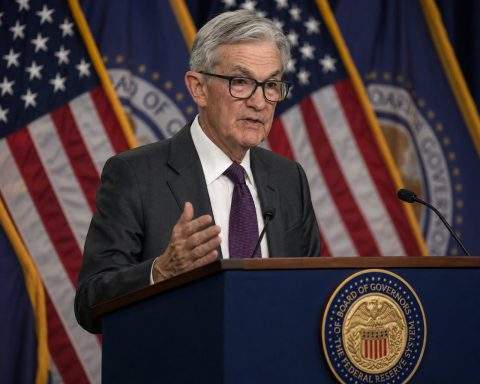
The rebound matters because it underlines how fast positioning can unwind when leverage meets new rules. The selloff accelerated after CME Group raised margin requirements — the cash traders must post to hold futures positions — and after President Donald Trump named Kevin Warsh as the next head of the Federal Reserve. Spot gold was down 4.8% on Monday at $4,630.59 by early afternoon in New York after tumbling nearly 10% earlier; “Gold and silver are on a rollercoaster ride,” said John Meyer at SP Angel, while Deutsche Bank analyst Michael Hsueh said the backdrop was not set for a sustained reversal. Reuters
Even so, the pullback has not shaken bullish calls that were building before last week’s peak. “Inflation remains well above target, debt levels are rising, and investors continue to view precious metals as a way to diversify away from equities, bonds and fiat currencies,” said Bart Melek at TD Securities. Standard Chartered analyst Suki Cooper said the physical market would help set the floor, particularly after the Lunar New Year, as the trade looks for “real demand” to reappear. Reuters
Investor flows have been one pillar, and they did not vanish before the selloff. LSEG Lipper data showed ETFs of gold and other precious metals took in $4.39 billion in January, the eighth straight month of inflows, while gold miner ETFs drew $3.62 billion, the biggest since at least 2009. UBS Global Wealth Management chief investment officer Mark Haefele said the bank sees value in a mid-single-digit allocation to gold in a diversified portfolio, while noting downside risks after the run.
Gold-linked stocks tracked bullion’s move back higher. Canada’s main stock index was up about 0.9% in morning trading and gold-linked shares jumped 3.7%, according to Reuters data. “Relative to late last week, we’ll probably see more stability this week. But we may not be out of the woods yet,” said Brian Madden of First Avenue Investment Counsel. Reuters
Macro headlines are adding noise at the worst time for price discovery. The Bureau of Labor Statistics said the January employment report will not be released on Friday because of a partial federal government shutdown, and will be rescheduled when funding is restored. Emily Liddel, an associate commissioner at the BLS, said the release would be reset once the government reopens, with a final vote on a spending bill expected on Tuesday.
Warsh’s expected approach to the Fed’s balance sheet is also in the mix, because balance-sheet tightening can lift borrowing costs even when short-term rates fall. “Actually reducing the size of the balance sheet is a nonstarter…Banks want this level of reserves,” said Joe Abate at SMBC Capital Markets. The Fed’s holdings fell from a roughly $9 trillion peak in 2022 to $6.6 trillion in late 2025 through “quantitative tightening”, a runoff of bonds that can tighten financial conditions. Reuters
Still, Tuesday’s rebound does not settle the market. Higher margin costs can keep pressure on highly leveraged trades, and a fresh rise in the dollar or real yields could squeeze gold just as it tries to rebuild a base below $5,000. Fast swings can also trigger stop-loss selling, even when the longer-term story looks supportive.
Next up is whether physical buying and ETF inflows stay firm as traders digest the margin changes and wait for Washington to restore funding. Investors will also be watching for a new date for the delayed jobs report and for clearer signals on how Warsh will steer policy before he replaces Jerome Powell in May.
Related articles: NASDAQ:CME