New York, Feb 6, 2026, 10:33 (EST) — Regular session
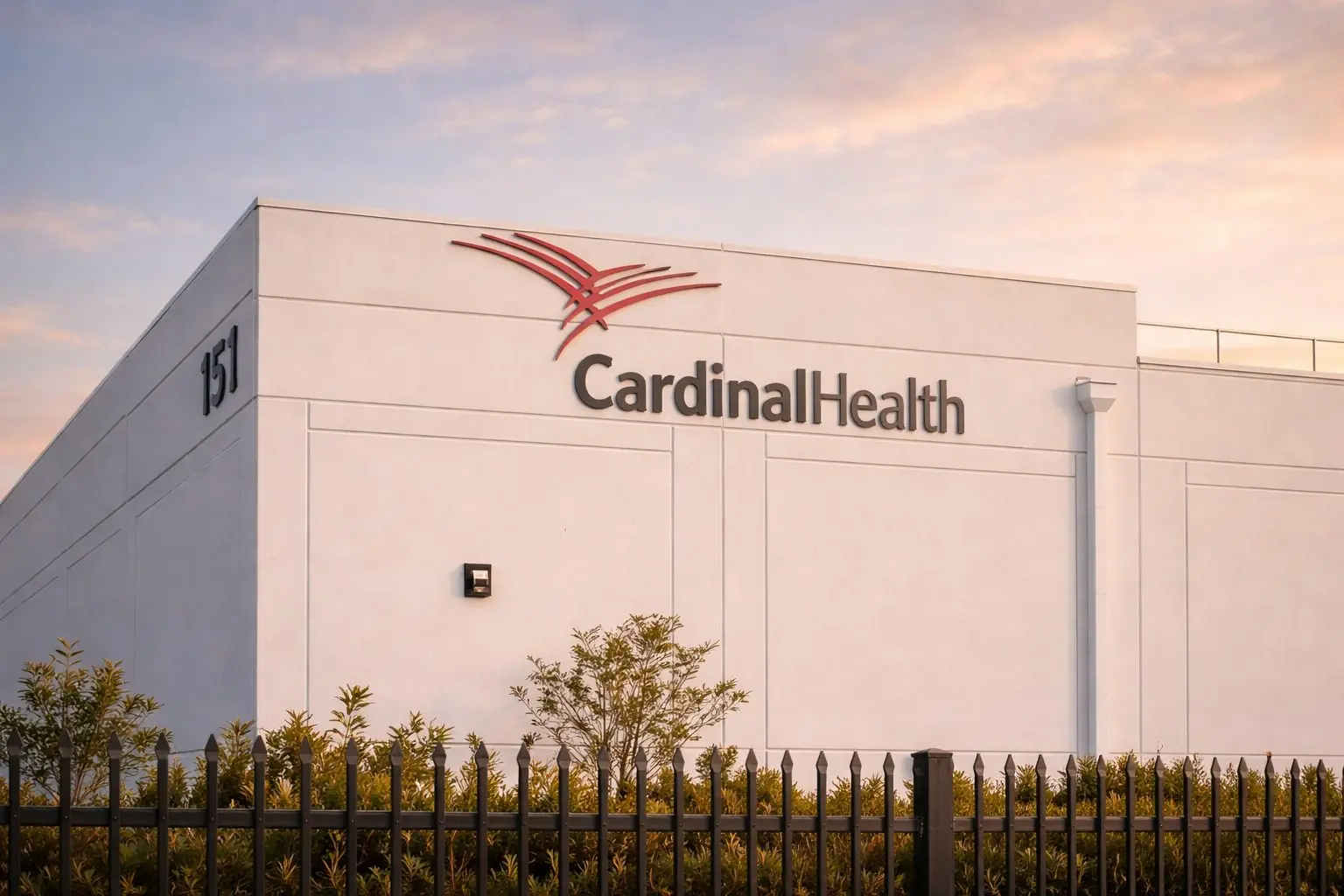
Cardinal Health shares fell 0.2% to $226.66 Friday morning, retreating from some of the gains seen after its recent earnings report.
This shift is significant since major U.S. drug distributors are now valued more on profits than on sheer sales volume. Specialty medicines and associated services offer higher margins than traditional wholesale distribution, and Cardinal is ramping up its efforts in that area.
On Thursday, Cardinal raised its fiscal 2026 adjusted earnings forecast to $10.15-$10.35 per share after beating quarterly estimates, according to LSEG data. Drug distributors have been benefiting from strong demand for high-margin specialty medicines and a surge in biosimilars—cheaper alternatives to biologics—as patents lapse, Reuters reported.
Cardinal reported a 19% jump in second-quarter revenue to $65.6 billion, with adjusted earnings at $2.63 per share. GAAP diluted EPS came in at $1.97. The company wrapped up a $750 million baseline share buyback and stayed within its target leverage range. CEO Jason Hollar highlighted “at least double-digit segment profit growth across all five of our operating segments.” Cardinal Health News & Media
On the earnings call, CFO Aaron Alt set the new guidance range at $10.15 to $10.35, linking it to adjusted EPS growth of 23% to 26% year-over-year. Hollar pointed to rising volumes in obesity drugs, specifically GLP-1s, but dismissed their chances of driving major profitability gains. He also noted that oral versions have so far contributed slowly.
Cardinal executives highlighted steady demand in their core drug business and ongoing efforts to turn around the medical products segment, which remains sensitive to pricing and supply-chain fluctuations.
During the morning session, Cencora’s shares climbed roughly 0.9%, whereas McKesson slipped around 0.4%.
Distributors rely on slim spreads, and the product mix can shift quickly. Cardinal cautions that tariffs and changing purchasing trends in medical products could cloud near-term comparisons, despite solid volume numbers.
Investors are focused on whether Cardinal can continue growing its specialty services and management-services businesses, which operate physician practices for a fee. They’ll also be looking for smoother execution in medical products, where rising costs can quickly derail quarterly results.
Focus now turns to the rollout of the next generation of oral obesity drugs, especially Eli Lilly’s anticipated pill debut in Q2. The key question: will this drive profits or simply boost shipment volumes?