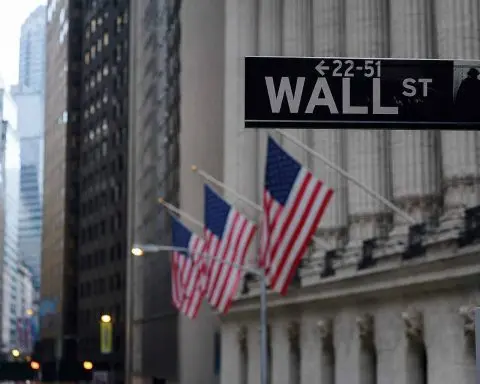

New York, February 6, 2026, 13:40 EST — Regular session underway
Bitcoin surged past $70,000 on Friday, jumping nearly 7% after fluctuating between roughly $60,300 and $71,345. Ether also climbed, gaining around 6.5%. Crypto-related U.S. stocks followed suit: Coinbase rose about 10%, while Strategy soared approximately 23%.
The rebound took the edge off after a sharp drop this week, but bitcoin still looked set for its steepest weekly fall since late 2022. According to CoinGecko, the global crypto market has lost roughly $2 trillion since hitting its peak in early October. Deutsche Bank analysts pointed out that U.S. spot bitcoin ETFs — those holding actual bitcoin — saw net outflows exceeding $3 billion in January. “A lot of these big crowded positions are being unwound very, very quickly,” said Chris Weston, head of research at brokerage Pepperstone. Reuters
Bitcoin plunged as much as 12.6% on Thursday, hitting about $63,296—a drop not seen since November 2022. Data from CoinGlass revealed nearly $1 billion in bitcoin positions liquidated over the previous 24 hours, pushing some leveraged traders to sell amid the selloff. The decline coincided with broader jitters across risk assets, as gold and silver saw increased volatility and U.S. stocks slid.
Strategy, the company formerly known as MicroStrategy and led by Michael Saylor, reported a bigger loss in the fourth quarter on Thursday as its bitcoin holdings dropped in value. The firm said it owned 713,502 bitcoins as of Feb. 1. Saylor told investors, “The actions by big finance, the actions by the big banks and the actions by the financial regulators are the fundamentals.” Analysts pointed to increased selling pressure after President Donald Trump nominated Kevin Warsh as the next Federal Reserve chair, a choice seen as favoring a smaller Fed balance sheet. Reuters
The recent whipsaw highlights just how vulnerable companies are that rushed to load up on bitcoin as a balance-sheet asset. Reuters reported that an increasing number of public firms embraced “digital asset treasury” strategies last year, but ongoing selling pressure on their shares might complicate efforts to raise new funds for token purchases. “As Bitcoin continues its slide below the psychological barrier of $70,000, it’s clear the crypto market is now in full capitulation mode,” said Nic Puckrin, co-founder of crypto analysis platform Coin Bureau. Reuters
Wall Street is trying to brush off a sharp selloff in software stocks sparked by fears that artificial intelligence could disrupt existing business models, Reuters reported Friday. “Rotation is the dominant theme this year,” said Angelo Kourkafas, senior global investment strategist at Edward Jones. Investors are moving money out of tech and into sectors like energy and consumer staples. The week ahead is packed, with the delayed U.S. jobs report set for Wednesday and January’s consumer price index due Friday. Reuters
Federal Reserve Vice Chair Philip Jefferson expressed “cautious optimism” about the 2026 economic outlook on Friday. He described the current policy stance as “well positioned” while officials await more data on jobs and inflation. The Fed left its policy rate steady last week, holding it between 3.50% and 3.75%. Jefferson added that any further changes will depend on incoming data and risk assessments. Reuters
Crypto traders are zeroing in on the U.S. January employment report set for 8:30 a.m. ET on Wednesday, Feb. 11. Labor data has become a key signal for investors watching for changes in rate-cut bets.
The Bureau of Labor Statistics will release January’s consumer price index at 8:30 a.m. ET on Friday, Feb. 13. This report serves as another key checkpoint as markets seek clarity on the future direction of U.S. interest rates.
Related articles: NASDAQ:MSTR