
New York, Feb 6, 2026, 17:03 (EST) — Trading now in after-hours.
- Amazon shares slipped 5.6% in late trading after the company signaled capital spending could hit roughly $200 billion by 2026.
- Investors are questioning if Big Tech’s steep AI spending will deliver returns quickly enough to warrant the cost.
- Looking ahead, U.S. January CPI lands on Feb. 13, while Nvidia reports quarterly results Feb. 25.
Amazon.com shares fell 5.6% to $210.32 in late Friday trading, recovering a bit after plunging over 9% at the open. The drop came as investors weighed the company’s announcement to increase spending on artificial intelligence infrastructure.
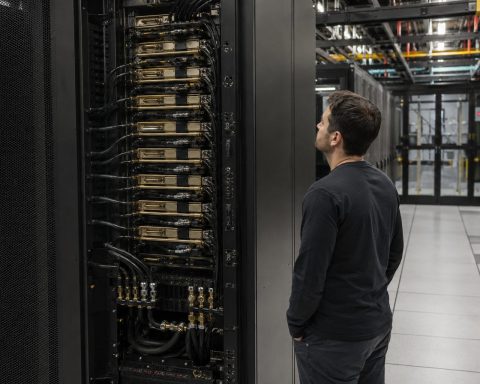
This shift is significant: investors are now more sharply factoring in the price tag of the AI arms race. Heavy capital expenditures — that’s data centers, servers, chips — hit cash flow upfront, long before any bump to sales materializes.
Amazon’s spending push lands as U.S. tech titans are set to pour more than $630 billion into AI this year—a figure big enough to bring back talk of the dot-com days. MoffettNathanson flagged that while this direction wasn’t a shock, “the magnitude of the spend is materially greater than consensus expected.” AJ Bell’s Russ Mould pointed out investors are pulling back from stocks “where positive surprises may be hard to achieve.” https://www.reuters.com/business/retail-consumer/amazon-shares-sink-big-techs-ai-spending-plans-worry-investors-2026-02-06/
Amazon posted fourth-quarter net sales of $213.4 billion, up 14%, after the bell Thursday. AWS turned in 24% revenue growth to $35.6 billion. CEO Andy Jassy told investors the company plans to pour about $200 billion into capex in 2026, expecting a “strong long-term return on invested capital.” Free cash flow over the last 12 months slipped to $11.2 billion, with Amazon boosting property and equipment spending, driven mostly by AI. https://ir.aboutamazon.com/news-release/news-release-details/2026/Amazon-com-Announces-Fourth-Quarter-Results/
AWS is still the profit center, though its growth has trailed Microsoft’s Azure and Alphabet’s Google Cloud in the last few quarters. Amazon, for its part, says the size gap skews direct comparisons—and notes its spending plan is built to defend that lead as demand for AI compute climbs.
Analysts saw a split in the latest quarter: demand stays robust, but expenses are rising. Sky Canaves at eMarketer described the results as “slightly mixed.” UBS’s Stephen Ju and Vanessa Fong said they’ve bumped up multi-year capex forecasts, betting Amazon will keep pumping money into growth. https://www.investing.com/news/earnings/amazon-sees-much-higher-than-expected-2026-capex-of-200-billion-shares-slide-7-4488845
Friday saw the broader market shrug off some of the nerves. The Dow broke above 50,000 for the first time, lifted by a chipmaker surge tied to expectations of fatter data center budgets. Baird’s Ross Mayfield pointed to “real demand for AI products” as a possible backstop for the trade. https://www.reuters.com/business/futures-stabilize-after-tech-rout-amazon-slides-ai-capex-lift-2026-02-06/
The risk is clear enough: companies spend big before they see the returns. Should cloud expansion slow, or rivals push prices down, or if AI demand proves volatile, those pricey new data centers might not deliver. Margins could get squeezed, and management won’t have much margin for error.
Next week, investors are eyeing whether the capex surge triggers fresh swings for Big Tech. U.S. January CPI lands Feb. 13, and Nvidia’s numbers arrive Feb. 25 — both shaping the outlook for rates and AI chip appetite.
Related articles: NASDAQ:NVDA