
New York, Feb 7, 2026, 12:38 EST — The market is now closed.
- Crude prices climbed on Friday, lifting U.S. oil-linked stocks as fresh concerns over the Middle East rippled through the market.
- Refinery labor tensions have cooled following a national bargaining agreement, but BP is still dealing with a localized dispute at its Whiting facility.
- Next up for traders: U.S. inventory data lands Feb. 11, with January CPI following on Feb. 13.
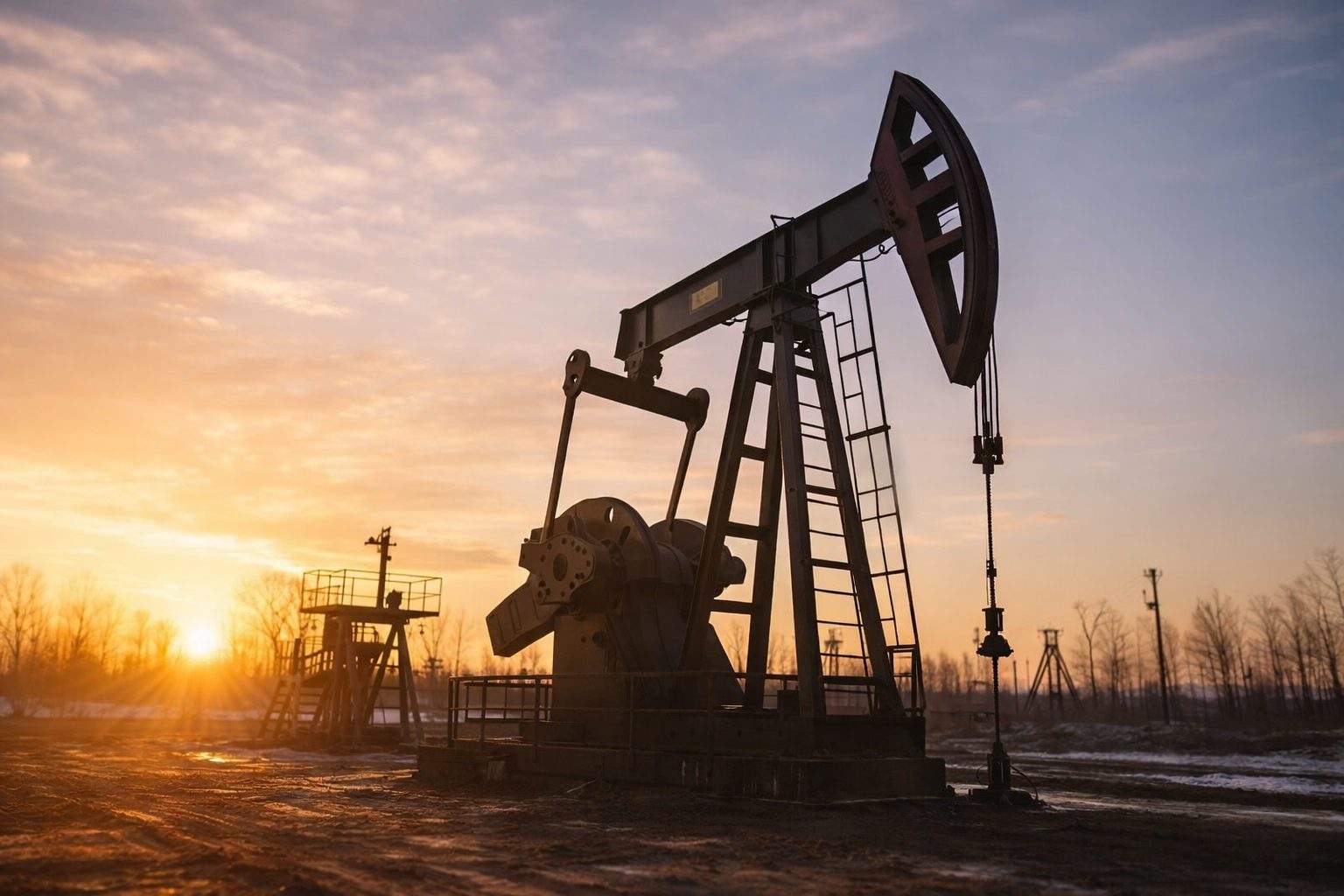
Oil shares trading in the U.S. jumped on Friday, lifted by a late run-up in crude after renewed U.S.-Iran tensions raised the specter of supply interruptions.
Energy stocks are back to moving on geopolitical headlines, after a stretch dominated by demand worries and talk of oversupply. When markets shift into risk-on mode—as they did at Friday’s close—this sector usually feels the jolt more than most.
Markets are closed for now, but attention turns to whether crude prices can hang onto those gains when Monday trading kicks in—or if any whiff of diplomatic movement drains the risk premium right out.
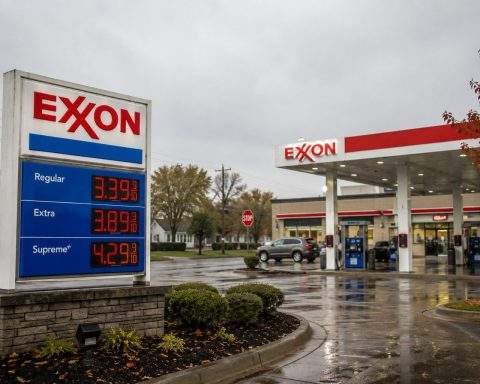
Exxon Mobil pushed up 2.0% to $149.05. ConocoPhillips was up 2.5% at $107.62. Occidental Petroleum tacked on 2.7%, ending at $46.31. Schlumberger picked up 2.4% to $50.70. Halliburton jumped 3.3% and finished at $34.98.
Brent crude finished at $68.05 a barrel, climbing 0.74%. U.S. West Texas Intermediate (WTI) settled at $63.55, a gain of 0.41%. “We keep going back and forth on this Iran situation,” said John Kilduff, partner at Again Capital, calling it “status quo nervousness over Iran.” https://www.reuters.com/business/energy/oi…
Refiners found buyers after the United Steelworkers agreed to a national pay and benefits package, sidestepping a possible strike that threatened 30,000 workers across 26 firms, according to Reuters. Marathon Petroleum, which led talks for the refining and chemical sector, said it’s now waiting on individual sites to ratify the agreement.
The labor situation remains unsettled. The union representing roughly 800 workers at BP’s Whiting refinery claims BP won’t stick to the national pattern, while BP insists the plant isn’t required to follow it—leaving the door open to either a strike or lockout at the Midwest’s biggest refinery.
Oil stocks caught a lift as the Dow broke past 50,000, hitting that level for the first time ever—a milestone that, for some, marks a shift as cash starts to flow away from the usual tech names. “What’s driven it recently has been the broadening that we have seen in the market,” said Chuck Carlson, CEO at Horizon Investment Services, speaking to Reuters. https://www.reuters.com/business/dow-jones…
Valero Energy surged 4.4% to finish at $202.68, handily beating out a number of major integrated rivals during a bullish session for U.S. stocks, according to MarketWatch data.
The downside’s simple enough—should weekend headlines tamp down the Iran situation, crude prices could shed their risk premium fast, pulling energy stocks lower. Traders still eye potential oversupply chatter, and refiners aren’t out of the woods, facing plant-by-plant labor risks despite a national agreement.
The U.S. Energy Information Administration’s next weekly petroleum report is set for Feb. 11, a release that traders watch for clues on inventories and demand—numbers that have the potential to jolt both crude and fuel spreads.
Macro is still in the mix. The U.S. CPI report for January lands Feb. 13, and that release has the potential to jolt rate bets and shake up the dollar—moves that ripple straight through commodities.
Related articles: NYSE:XOM