
New York, Feb 26, 2026, 14:05 EST — Regular session.
Oil bounced more than a dollar higher on Thursday, with prices chopping around early as traders took in the latest from U.S.-Iran nuclear discussions in Geneva. Brent crude moved up $1.17, hitting $72.02 a barrel by late morning in New York. U.S. WTI was also higher, rising 87 cents to $66.29. “Things are not going so great in Geneva,” said John Kilduff of Again Capital. Over at Price Futures Group, Phil Flynn described a potential deal as “very bearish” for oil. Reuters
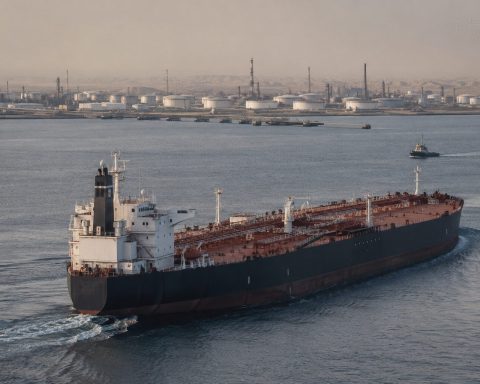
The outcome of the talks could determine if Iranian oil remains locked behind sanctions or reenters the market. A collapse in negotiations, though, is making traders nervous about possible Gulf disruptions—and that could tack another premium onto prices.
Earlier in the week, oil lost ground after Tehran indicated a willingness to move toward a deal, with both major benchmarks closing down 1% on Tuesday. According to the director of North Dakota’s Mineral Resources Department, this week’s flare-up has tacked on $3 to $4 a barrel for U.S. crude—a sharp repricing on familiar headlines.
But U.S. supply numbers are telling a different story. Commercial crude stocks jumped 16.0 million barrels for the week ended Feb. 20, hitting 435.8 million, according to the Energy Information Administration. Still, inventories sat roughly 3% under the five-year seasonal average. Refineries processed 15.7 million barrels daily, with utilization at 88.6%. Gasoline inventories slipped by 1.0 million barrels; distillate stocks edged up 0.3 million.
Even with the build, the market barely reacted on Wednesday. Brent edged up just 8 cents to $70.85, while WTI finished 21 cents lower at $65.42. UBS commodity analyst Giovanni Staunovo noted that “price impact was limited,” pointing to geopolitics as the main force at play. Meanwhile, the EIA’s adjustment factor — barrels that don’t quite reconcile with reported supply and demand — climbed to a record 2.7 million barrels per day. Reuters
The adjustment figure alone doesn’t point to a trade, though big inventory swings can make it harder to interpret the numbers. Bulls and bears alike tend to seize on it, each spinning the data to fit their narrative.
High prices are beginning to eat into demand. According to a Reuters analysis, China is already showing hints of moving its imports to cheaper crude and could scale back buying as soon as April, after Brent surged 23% off its December low and touched $72.50 earlier this week.
OPEC+ supply moves are in play. The group is weighing a 137,000 barrels-per-day output bump for April, Reuters sources said, following a halt on hikes earlier this year. But one source flagged that another pause is still on the table. Talks among eight producers—Saudi Arabia, Russia, the UAE among them—are scheduled for March 1.
The flip side is clear enough. Should a framework emerge out of Geneva and traders begin factoring in added Iranian barrels, today’s risk premium could vanish quickly—particularly with U.S. stockpiles on the rise and buyers resisting pricier Brent-linked crude.
Right now, headlines are driving trades—not the numbers on balance sheets. Thursday brings the next potential mover, as negotiators head back to talks. OPEC+ will follow on March 1 with its decision on April production.
Related articles: Energy Markets