New York, Feb 27, 2026, 09:18 EST
- Gold stayed north of $5,200, with U.S. producer inflation coming in hotter than expected.
- Silver led the way once more, leaving the precious-metals sector supported as month-end approached.
- Chart watchers put the $5,220 to $5,320 area on their radar as the next decision zone for XAU/USD.
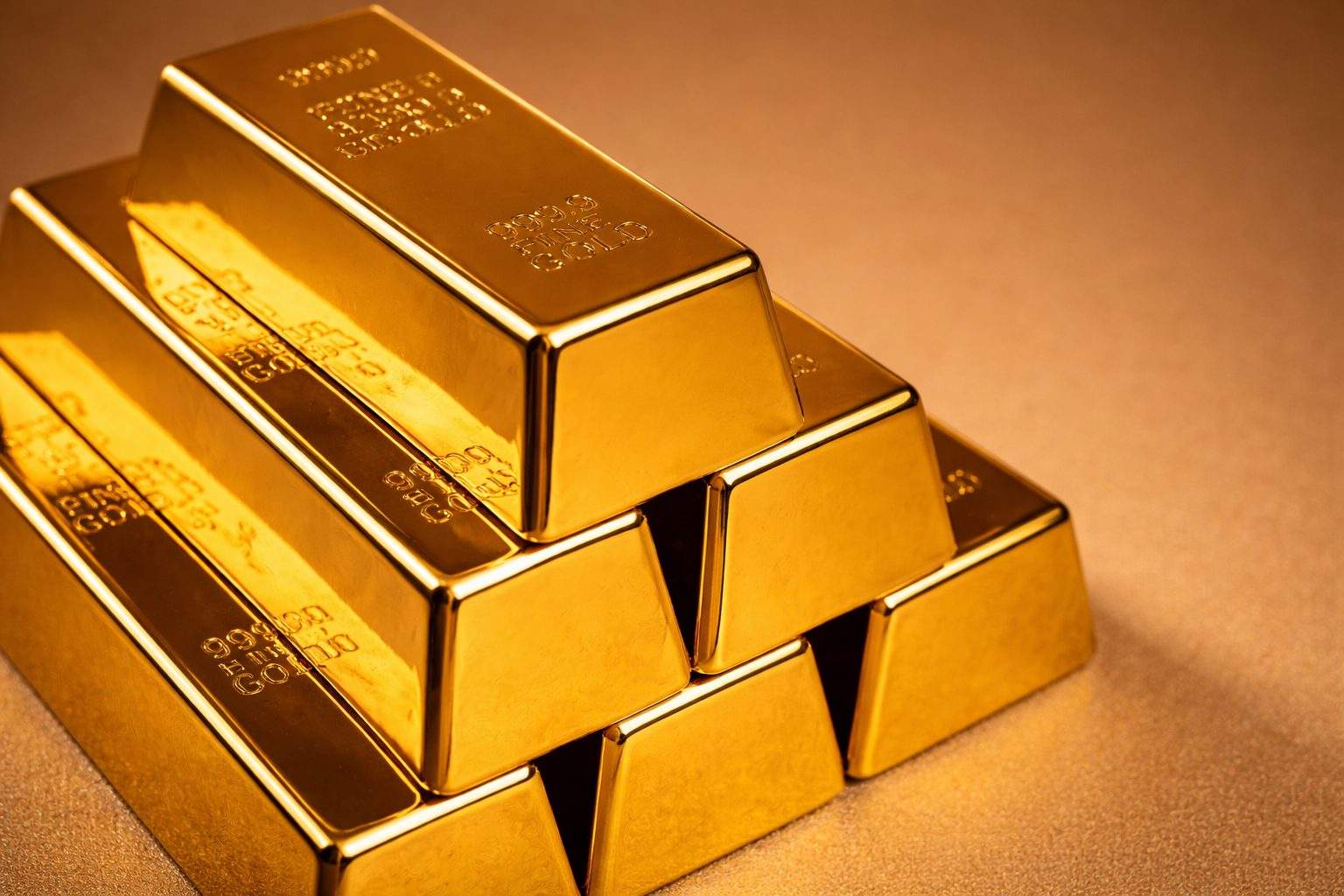
Gold edged up near $5,200 an ounce Friday as U.S. producer inflation came in above forecasts, pinning traders between persistent rate hike fears and straightforward risk-hedge buying.
The Producer Price Index (PPI) sets the tone for both inflation outlooks and what traders expect from the Federal Reserve. Gold tends to feel the pressure from a stronger dollar and rising yields—no interest payments there. Still, when inflation won’t budge, nervous investors sometimes move cash into hard assets like gold.
Gold’s been stuck in a sideways shuffle for weeks, hovering near its recent highs—so even the slightest headline has the power to jolt positioning. Every new data point, no matter how minor, suddenly feels oversized, though the effect usually fades within hours.
Spot gold was up 0.9%, hitting $5,232.21 an ounce by 1325 GMT. U.S. April gold futures? Those climbed 1.2% to $5,253.20. “First is the tariff uncertainty in the market right now, and on the other hand, the Iran and the U.S. situation,” said ANZ analyst Soni Kumari. The U.S. flagged some progress in its Iran talks but nothing definitive, with fresh tariffs still on track. Linh Tran at XS.com called the negotiations “geopolitical risks present but not escalating.” Spot silver surged 4.4% to $92.20, while platinum and palladium moved higher as well. Reuters
The Labor Department reported from Washington that January’s PPI for final demand climbed 0.5%, following December’s upwardly adjusted 0.4% increase and topping expectations of a 0.3% gain. Most of that lift came from services, which jumped 0.8%, fueled in part by a 2.5% surge in trade-services margins. Year-on-year, producer inflation slowed to 2.9%. Some elements of the PPI figure are used in the Fed’s core PCE inflation measure. Economists had predicted core PCE inflation could hit as high as 0.5% for January, though that reading remains delayed until March 13.
Kitco’s Jim Wyckoff noted gold ticked up a bit and silver was also trading firmer early in the U.S. session, traders holding back ahead of the inflation numbers. Tensions between the U.S. and Iran kept safe-haven interest alive going into the weekend.
Technical traders aren’t mincing words about their focus right now. Mihai Iacob, who posts on TradingView, flagged a symmetrical triangle taking shape—prices holding above $5,220 put $5,350 in view. Slip under $5,140, though, and $5,000 is the next obvious test. “The market lacks confirmation in either direction,” he noted. TradingView
MarketPulse at OANDA, publishing on Seeking Alpha, highlighted support at $5,046 and called out gold’s move “above $5,170,” stretching further from the early-February low near $4,402. Their technical note cited declining real yields—the inflation-adjusted returns on bonds—pointing out a drop in the U.S. 10-year real yield from 1.98% down to 1.72. On the upside, they marked resistance at $5,307 and $5,320, with room for a push to $5,448 if momentum persists. Seeking Alpha
The metal doesn’t have a clear direction from here. Should inflation prove stubborn and force markets to pare back Fed cut bets, both yields and the dollar could snap higher, putting pressure on gold. A decisive drop below the $5,140-$5,046 support range would shift the chart setup, likely pulling silver and the broader metals group down as well.
At this point, traders are eyeing gold’s shot at a monthly close above $5,200, while silver’s surge is being scrutinized—are we seeing the first signs of fatigue, or is there more gas in the tank? With fresh U.S. inflation data and another round of U.S.-Iran talks lined up, the market’s tight band could be in for a jolt.