
NEW YORK, February 27, 2026, 13:20 EST — Regular session
- Crude oil prices climbed in New York, with traders staying cautious after fresh Middle East supply-risk headlines.
- Prices are factoring in a geopolitical risk premium, analysts say, though they’re also flagging the potential for oversupply sometime in 2026.
- Focus turns to the OPEC+ meeting coming up Sunday, as well as the next U.S.-Iran talks in Vienna.
Crude prices climbed Friday, with traders on edge over possible supply snarls from the Middle East as U.S.-Iran friction escalated. West Texas Intermediate (WTI) advanced 2.2% to $66.66 a barrel. Brent matched the move, up 2.2% at $72.43 as of 12:38 p.m. ET, tracking a buildup of U.S. military ships and aircraft in the area.
Geopolitical tensions have forced a “risk premium” back into crude prices, nudging costs higher for buyers just as producers hesitate and demand appears uncertain. A Reuters survey of 34 analysts and economists bumped its 2026 Brent average up to $63.85 per barrel, with WTI set at $60.38. The current risk premium sits somewhere between $4 and $10, according to the poll. “Oil prices are bloated with a decent geopolitical risk premium,” said Norbert Rucker, head of economics & next generation research at Julius Baer. Investing.com
The International Energy Agency is signaling a more comfortable supply picture. This month, it lowered its 2026 estimate for demand growth to 850,000 barrels per day and now projects an oversupply of 3.7 million barrels per day that year.
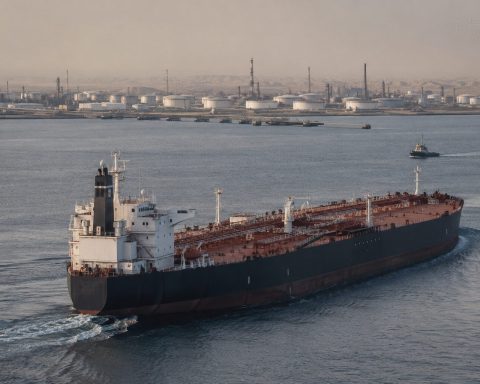
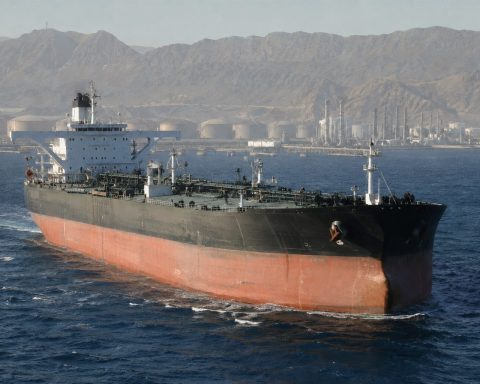
Barrels are on the move out of the Gulf. Abu Dhabi National Oil Co is preparing to ship out more Murban crude in April, trade sources told Reuters, and has put extra supply on the table for its partners. Saudi Arabia, for its part, has ramped up both output and exports as a fallback. “The boost in exports will definitely create a short-term buffer,” said TP ICAP analyst Scott Shelton, after spot Murban premiums dropped below $2 a barrel over Dubai quotes. Reuters
Oil prices pushed higher after Thursday’s indirect U.S.-Iran talks in Geneva wrapped up without a breakthrough. Technical-level talks will pick up next week in Vienna, according to Oman’s foreign minister. “Uncertainty prevails, fear is pushing prices higher today,” said Tamas Varga, oil analyst at PVM. DBS’s Suvro Sarkar added, “military strikes are in no way out of the equation.” Reuters
Oil prices slipped a bit in the prior session, reversing earlier swings tied to the same news cycle. Brent eased 10 cents to $70.75 a barrel on Thursday; WTI finished down 21 cents at $65.21. “The crude selloff is simply the market removing a geopolitical risk premium,” said Shohruh Zukhritdinov, an oil trader based in Dubai. Janiv Shah at Rystad Energy added that an extension of talks lowers the odds of an immediate strike. Reuters
Bulls face the risk that the premium could disappear just as fast as it surfaced. Should negotiations hold steady and fresh supply enters the market, crude may slip back to where it was trading before the recent jump.
The market tends to react fast to any unexpected developments near the Gulf. Disruptions to shipping or the introduction of stricter sanctions show up right away in freight rates and physical premiums—futures usually catch up after that.
Next up: the OPEC+ group—OPEC and partners like Russia—gathers Sunday, March 1, to decide if April will see any output bump. Traders will be tracking that, along with U.S.-Iran technical talks restarting in Vienna next week.
Related articles: Energy Markets