
Tel Aviv, Feb 28, 2026, 10:05 (GMT+2) — The market has closed.
- Tel Aviv stocks slipped on the week, despite a bounce back late Friday.
- The coming session looks set to be shaped by the weekend’s Israel-Iran escalation.
- Oil, the shekel, and sharp moves in the bank-heavy index are all drawing traders’ eyes right now.
Tel Aviv shares closed out last week lower, and now traders are bracing for fresh weekend turbulence after Israel announced it had carried out a preemptive missile strike on Iran.
TA-35, the blue-chip benchmark for Israel’s top 35 firms, finished Friday at 4,128.36—up 0.65% for the session but still off about 2.5% for the week. The TA-125 index closed at 4,074.84, climbing 0.51% on the day, with a weekly drop of around 3.0%.
Explosions hit Tehran, and the New York Times quoted a U.S. official saying the U.S. had begun strikes on Iran. A source told Reuters that Iran’s supreme leader, Ayatollah Ali Khamenei, had been relocated to a secure site.
According to an Israeli defence official speaking to Reuters, the operation had U.S. coordination. Planning stretched back months, with the date picked weeks in advance.
Fresh jitters layer onto fragile risk appetite. On Friday, global equities slipped, and crude climbed, as investors grew anxious that U.S.-Iran tensions might threaten oil flows.
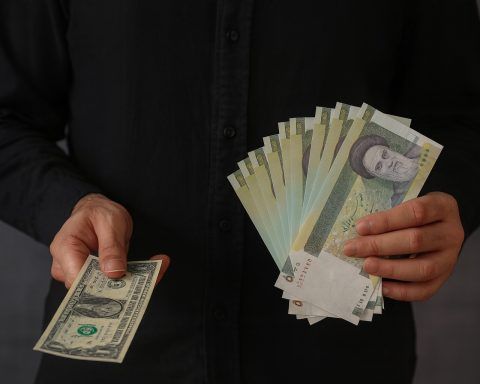
Friday in Tel Aviv saw banking, financial, and insurance shares out in front. Ormat Technologies gave up 4.43%, Newmed Energy slid 3.51%, and ICL lost 3.08%, numbers from Investing.com show. The shekel traded at 3.14 per dollar. Brent crude edged up, last seen at $72.76 a barrel.
Monetary policy stayed in focus last week. The Bank of Israel left its key rate unchanged at 4% on Feb. 23, following two straight quarter-point reductions, citing a fresh wave of geopolitical uncertainty and a slightly elevated risk premium. “Geopolitics still trump the rest,” Citi economist Michel Nies said. Avraham Novogrotzky, president of the Israel Manufacturers’ Association, cautioned that, “Failing to cut the interest rate… means intensifying the pressure on exporters.” reuters.com
Banks still dominate as the market’s key trade, often dictating the tone when risk surges. Back in January, Bank of America’s David Taranto started coverage on Israel’s four largest banks, giving each a “buy” rating. His note? “Buy them all.” Taranto made the case that the sector can handle falling rates, taxes, and the region’s geopolitical swings. reuters.com
Fresh company headlines kept coming all week. Ormat, in its year-end statement, said it locked in a 15-year geothermal deal—up to 150 megawatts—for Google’s data centers through NV Energy. One customer also went ahead and took up the option to acquire Ormat’s 50MW Topp 2 project in New Zealand for about $100 million.
Investors watching more than just security risks are also keeping an eye on the political calendar. The IMF flagged a key question: will Israel’s 2026 state budget get the green light by the March 31 deadline? If not, the country faces new elections.
Now, the market’s direction is tied to just one factor: if the weekend’s fighting spreads. Should tensions escalate and persist, risk assets could take a hit, oil might spike, and the shekel could see renewed pressure—alongside shifting expectations for rates. If the conflict stays contained, though, last week’s decline may end up resembling a simple reset instead of a larger downturn.
Trading picks back up on Monday, March 2. Markets are bracing for more updates on the Iran operation—investors are alert to any hints of retaliation, potential swings in oil prices, and moves in the shekel. The Bank of Israel’s rate call lands March 30, with the budget deadline following on March 31.