
New York, March 1, 2026, 14:53 ET — The market has closed.
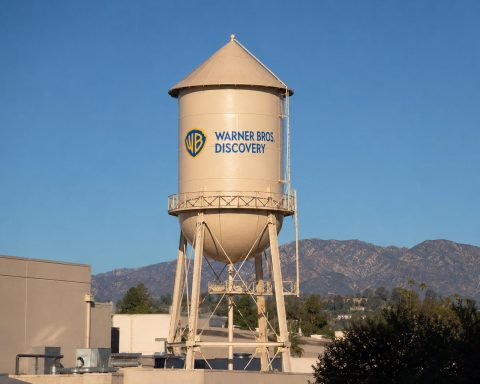
- Warner Bros. Discovery’s Series A stock dropped 2.2% to finish Friday at $28.17.
- Paramount has agreed to acquire WBD for $31 per share in cash, pending a shareholder vote slated for early spring.
- California’s attorney general is investigating, injecting a new dose of regulatory uncertainty just before the week kicks off.
Warner Bros. Discovery (WBD) Series A dropped 2.2% to close at $28.17 on Friday. The stock sits roughly 9% under Paramount Skydance’s $31-per-share cash bid, a gap reflecting how investors are weighing both regulatory hurdles and the clock.
The gap’s important: merger-arb funds eye it for hints on deal certainty and timing. When spreads widen, that tends to flag concerns — maybe approval risk, maybe financing’s shaky, or just delays that drag on annualized returns.
There’s also a clause targeting the calendar: the “ticking fee.” If the deal remains unfinished past Sept. 30, 2026, this extra payment kicks in. It’s market slang for a per-share premium that builds up as shareholders sit on the sidelines.
Paramount plans to pay $31.00 a share in cash, according to details released by the companies, targeting a closing date in the third quarter of 2026. That’s pending regulatory sign-off and a nod from WBD shareholders. If the deal drags past Sept. 30, 2026, WBD holders pick up $0.25 per share for every quarter the closing is delayed, calculated daily. The companies pointed to $47 billion in equity support, debt commitments totaling $54 billion, and a possible rights offering that could go as high as $3.25 billion. Financing isn’t a hurdle for closing, they added.
WBD chief David Zaslav said in the announcement that the “guiding principle” was getting the most value and ensuring “as much certainty as possible” for shareholders. Paramount’s David Ellison called the deal an attempt to “build a next-generation media and entertainment company.” Paramount
California may be the first battleground. Attorney General Rob Bonta confirmed the state is probing the merger and promised a “vigorous” review. Paramount, for its part, said through a spokesperson that it sees the deal as “pro-competitive” and is ready to work with regulators and state attorneys general. Reuters
On Wall Street, the verdict is anything but unanimous—and it’s not just the share price under scrutiny. Ross Benes, senior analyst at Emarketer, didn’t mince words, describing the deal as “more about … ego than it is about good business sense.” Dan Coatsworth, who heads up markets at AJ Bell, argued that Paramount faces a steeper climb, saying it’ll take more than a handful of big-name franchises to “fight off Netflix, Disney and Amazon” when it comes to streaming. Reuters
For WBD holders, Monday’s trade isn’t really about the quarterly numbers—it’s the timeline that matters now. Investors are eyeing the first official merger paperwork and hoping for fresh details on the shareholder meeting slated for early spring. That’s when the countdown on approvals and possible remedies finally starts to feel tangible.
Debt and jobs remain lingering issues. Paramount is touting over $6 billion in cost “synergies”—a familiar Wall Street term, usually code for workforce cuts—and California politicians along with labor organizations have already sounded alarms about those potential impacts.
The simple story—“$31 is the price, just hold out for the payout”—doesn’t always hold up if regulators drag their feet or insist on terms that alter the deal’s math. Should the deal stall or fall apart, WBD might find its shares trading on their own merits again, minus any takeover safety net.
When markets open Monday, March 2, traders are eyeing the WBD spread at $31. Fresh filings could pull that tighter, but if California shifts from review to outright challenge, that gap may only widen.
Related articles: NASDAQ:WBD