London, March 4, 2026, 09:37 GMT
- Investors kept the pressure on UK banks, sending Barclays and HSBC down for another session.
- Spiking oil and gas prices have stoked fresh inflation worries, delaying anticipated Bank of England rate cuts.
- Analysts caution that if the energy shock drags on, growth could take a hit and loan-loss risks may climb.
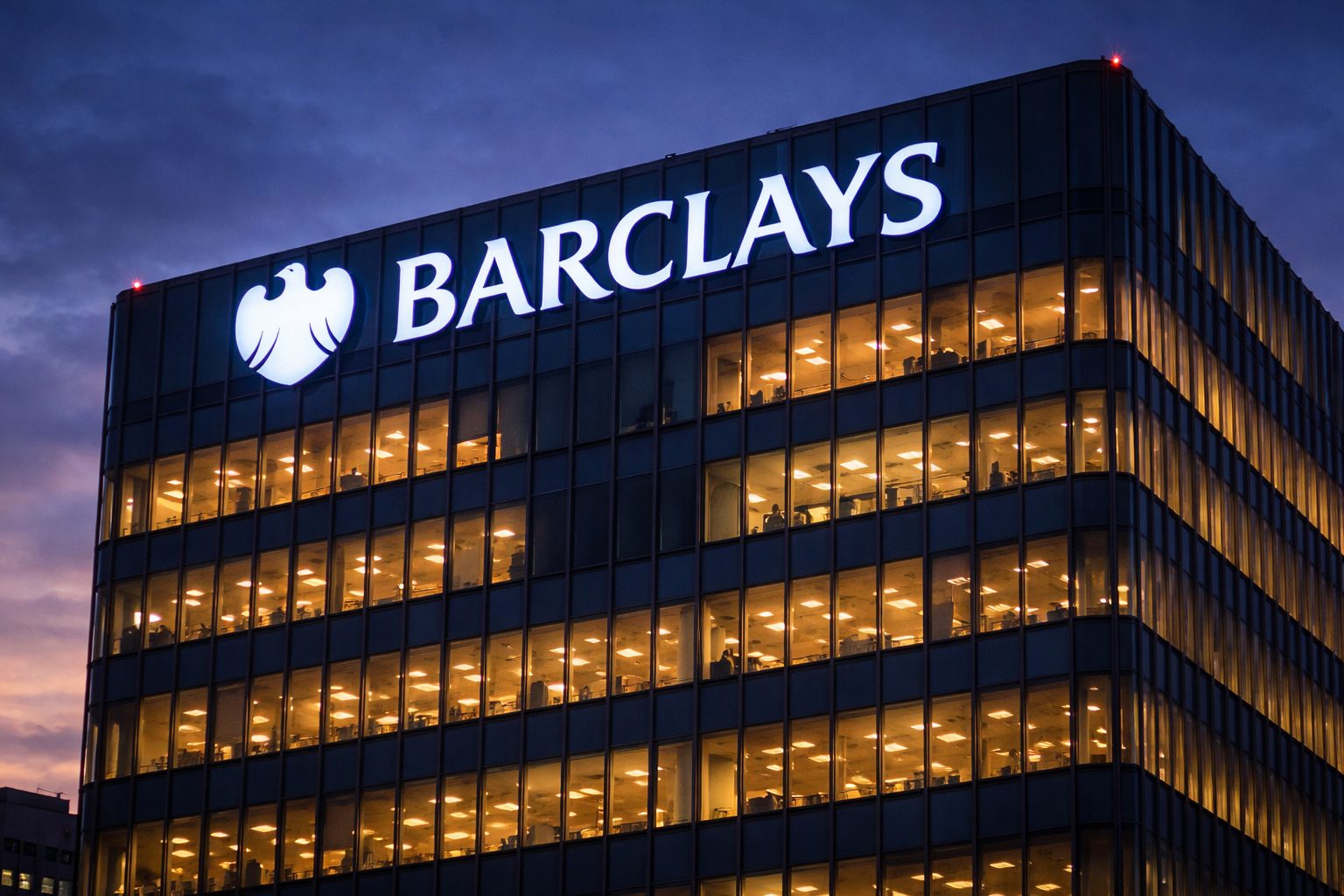
Shares of Barclays and HSBC slid further in London on Tuesday, with UK bank stocks taking another hit as tensions in the Middle East escalated. By 10 a.m. GMT, both banks had dropped roughly 4.5%, according to The Banker.
This drop is hitting just as the UK’s rate outlook remains in flux, with banks making up a big chunk of the FTSE 100. On Tuesday, Britain’s main stock indexes suffered their sharpest single-day slide in nearly a year. Energy prices jumped again, reigniting fears about inflation and forcing investors to dial back bets on interest rate cuts. David Rees, head of global economics at Schroders, flagged the risk: “if higher energy prices squeeze real incomes and prevent the Bank from cutting rates, hopes would be dashed for a growth pick-up.” https://www.reuters.com/world/uk/london-st…
UK shares slumped the previous day, caught in a wider rout as renewed conflict sent oil prices surging and investors flocked to safety. HSBC, Barclays and Lloyds all took hits—drops ranged from 2.5% to 4.2%, according to Reuters. Traders, in turn, scaled back bets on a Bank of England rate cut for later this month. “If the issues persist, then the market will start to worry about new inflationary pressures,” said Dan Coatsworth, head of markets at AJ Bell. https://www.reuters.com/world/uk/uk-stocks…
Oil kept punching higher Wednesday. Brent gained 3.3%, reaching $84.07 a barrel as of 0659 GMT, while U.S. crude added 3% to hit $76.80, according to Reuters. “The primary near-term driver for oil prices remains the US-Iran conflict,” said Kelvin Wong, senior market analyst at OANDA. Traders remain edgy about calling an end to the wild swings. https://www.reuters.com/business/energy/oi…
This shift has knocked the pound lower, feeding bets that the Bank of England could pause on rate cuts. Sterling touched a three-month trough on Tuesday, with traders assigning just a 22% probability to a rate cut at the BoE’s meeting later this month, according to LSEG data cited by Reuters. “We think that in all scenarios the Bank of England will be more sensitive to the upside risks to inflation,” said Paul Dales, chief UK economist at Capital Economics. https://www.reuters.com/world/uk/sterling-…
Barclays, fresh off a notable rally, finds itself in the thick of a valuation debate. On Feb. 25, Simply Wall St flagged that the stock last changed hands at £4.60, while one popular “fair value” model pegged it closer to £4.92, using an 8.38% discount rate to gauge present value from future cash flows. The site showed Barclays had delivered a 60.9% total return over the previous year as of that date—even after sliding 4.2% over the most recent month. https://simplywall.st/stocks/gb/banks/lse-…
Since late February, Barclays has faced an added drag, after investors zeroed in on possible losses linked to the collapse of UK mortgage lender Market Financial Solutions (MFS). Court filings from administrators flagged a potential £930 million gap in collateral, according to Reuters, with just £230 million of “true value” backing loans that totaled £1.16 billion. While some analysts dismissed the risk of broader fallout, the situation put fresh attention on potential trouble lurking in private credit. https://www.reuters.com/business/finance/b…
Commentary aimed at retail investors wasted no time jumping on the volatility. Both Yahoo Finance and The Motley Fool crunched numbers on the latest Barclays share price action, zeroing in on what the moves spell for individual shareholders—and weighing up whether the recent drop leaves the stock looking like a bargain. https://uk.finance.yahoo.com/news/barclays…
Lloyds wasn’t alone. Lenders dropped, and so did airlines and travel stocks earlier this week. Meanwhile, investors picked up energy and defence shares, aiming to shield against the shock.
It all comes down to how long this lasts. Oil and gas prices dropping, tensions cooling—rate cut bets might revive quickly, and banks could recover. But if the energy price spike persists, inflation might prove stubborn, growth could falter, and banks may see more loan defaults with fatter provisions needed.
European shares caught their breath Wednesday, stabilizing after sharp losses, but investor anxiety hasn’t gone far. By 0810 GMT, the STOXX 600 index ticked up 0.6%, according to Reuters. Still, it’s sitting almost 5% below Friday’s record.