
WASHINGTON, March 4, 2026, 11:10 AM EST
- Trump plans to sit down with top Big Tech names—including Google—focused on a pledge to protect consumers from data-center power costs.
- Alphabet’s Waymo is under fresh scrutiny by U.S. safety investigators, following a series of incidents tied to stopped school buses.
- Alphabet’s Class C shares without voting rights edged up early on.
Google, a unit of Alphabet Inc, heads to the White House on Wednesday for the rollout of a “Ratepayer Protection Pledge”—an effort aimed at addressing the electricity burden from AI data centers. Lawmakers are grappling with the question: who ultimately foots the bill for soaring power needs? “The real problem is the inability to get generation online fast enough to meet the data center demand,” said Jon Gordon, director at the clean-energy group Advanced Energy United. Reuters
The pledge drops right in the thick of a buildout surge that’s becoming impossible to ignore. Data centers keep multiplying, power bills have turned political, and the AI arms race is pushing firms to commit to long-range plans — all out in the open.
Alphabet isn’t shying away from the outlay. Back in early February, the company put out a 2026 capital expenditure forecast of $175 billion to $185 billion—covering everything from servers and networking gear to sprawling data centers. CEO Sundar Pichai, speaking to analysts, said: “We are seeing our AI investments and infrastructure drive revenue and growth across the board.” Reuters
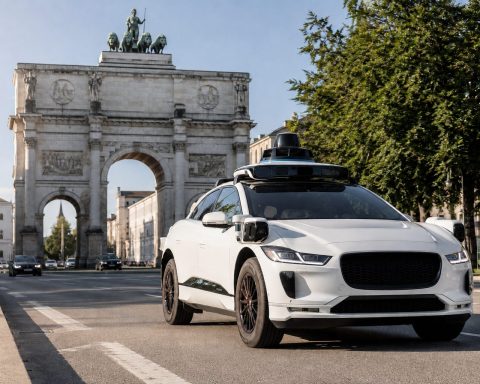
Separately from its energy interests, Alphabet faces scrutiny via another arm. The National Transportation Safety Board (NTSB) is looking into a January 12 case in Austin, Texas, after a Waymo autonomous car drove past a stopped school bus with its lights flashing—something state law forbids. In December, Waymo recalled vehicles following reports from Texas authorities of at least 19 comparable instances. The company said it “appreciates the work of the NTSB,” which is preparing to deliver safety advice. Reuters
Alphabet’s Class C shares (GOOG) climbed 0.26% to $304.34, rebounding after a 0.9% dip on Tuesday, Investing.com data show. Wednesday saw the stock move in a range from $300.80 to $305.46.
The White House wants to prevent “ratepayers”—ordinary households and small businesses footing utility bills—from shouldering higher costs as AI data centers ramp up demand. For Google, that’s yet another wrinkle in the ongoing debate among investors: just how quickly can the company build, and what’s the price tag when it moves ahead?
Microsoft, Meta, and Amazon are lining up, too—highlighting that Google’s not alone when it comes to the power crunch. Utilities are pushing for guarantees on demand stretching years out. Tech companies, for their part, want to lock in clear pricing and build schedules. But control over permits or supply? That’s out of both sides’ hands.
The pledge isn’t binding, and building out new power projects isn’t quick—planning, permitting, and hooking up to the grid can stretch over years. Waymo’s safety review throws a spotlight on how regulators—outside Alphabet’s main ad and cloud engines—still have the power to stall those “other bets,” even as the core business bankrolls them.
Alphabet’s Class C shares mirror the company’s financial performance but come without votes, unlike the Class A stock. For most investors, the share split is secondary; what really counts is whether this year’s big AI outlays turn into solid, lasting revenue — and fewer curveballs.
Next up: companies have to clarify exactly what they’re pledging on power, and it’s not clear yet if grid and safety agencies will clamp down harder as the buildout speeds up.
Related articles: NASDAQ:GOOG