
New York, May 12, 2026, 20:01 EDT
- Tech stocks bore the brunt after a hotter-than-expected CPI sent Treasury yields climbing, leaving the AI trade looking packed at peak levels.
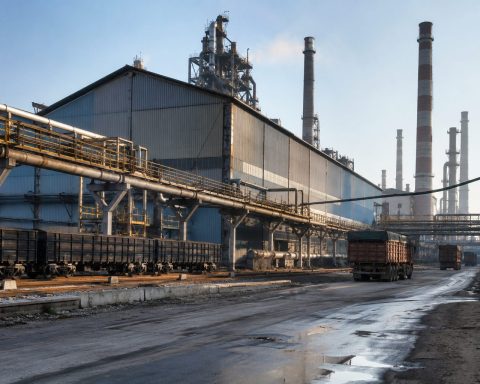
- Oil, front and center. Brent climbing over $107 sharpened inflation worries, dashed rate-cut bets, and weighed on consumer and growth names.
- Bulls highlight robust earnings and steady demand. On the other side, bears have found a sharper talking point: persistent energy inflation is tightening the market’s margin for error.
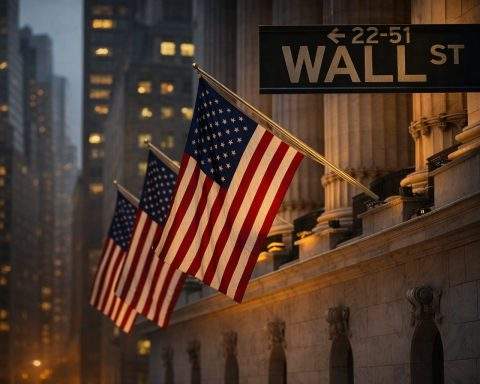
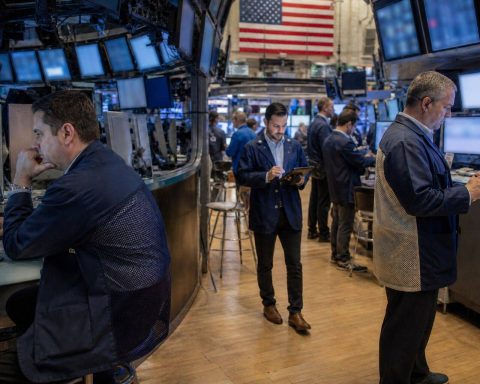
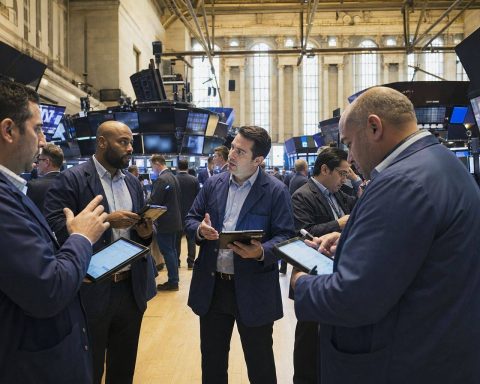
Stocks took a step back in after-hours trading Tuesday, giving up some of the day’s gains as investors trimmed positions in top AI names. The S&P 500 eased 0.16%, the Nasdaq 100 slipped 0.25%, the Dow was off 0.09%, and the Russell 2000 declined 0.19%. Both the S&P 500 and Nasdaq pulled back from their latest record closes.
This wasn’t just about “profit taking,” though there was no shortage of that. Fresh figures from the April CPI report stirred some doubts about the rally’s momentum: consumer prices climbed 0.6% for the month, up 3.8% on the year. Core CPI—excluding food and energy—was up 0.4%. Why does that hit? Sticky inflation keeps the Fed from moving on rate cuts, and pricier borrowing takes the biggest toll on growth stocks. Bureau of Labor Statistics
The Dow finished up 56.09 points at 49,760.56, with healthcare giving a boost. S&P 500 slipped 11.88 points to 7,400.96, and the Nasdaq dropped 185.92 to 26,088.20. Tech and consumer discretionary names dragged, but healthcare and staples managed to hold their ground.
Oil sent a clearer message. West Texas Intermediate picked up 2.8%, hitting $102.30 a barrel. Brent climbed even faster—up 3.4% to settle at $107.77—as the Iran conflict continued to stoke supply worries. Over in bonds, the 10-year Treasury yield reached 4.46% by 4 p.m. ET, marking its influence on everything from mortgages to corporate loans.
This explains the chart’s downward turn. Investors were positioned for robust earnings, surging AI investment, and a Fed expected to stay on the sidelines. But an inflation surprise—energy was a big driver—prompted a swift rethink on that last point.
Chip stocks felt the brunt. The Philadelphia Semiconductor Index slid 3%—a sharp reversal after its big gains so far this year. Qualcomm tumbled roughly 11%, Intel gave up 6.8%, and Micron shed 3.6%. Nvidia stood out, eking out a 0.6% gain after hitting an intraday peak. Still, the signal was clear: the AI rally isn’t lifting all boats anymore.
Competitive backdrop matters. Nvidia remains in the market’s good graces, still anchoring AI compute demand. Both Intel and Micron had just hit new highs—leaving them more vulnerable to a sharp reversal. Qualcomm pulled back too, proof that even chipmakers touting AI and auto exposure aren’t immune when rates shift. The AI narrative held up. What cracked was tolerance for lofty valuations.
Jay Hatfield, who heads InfraCap as CEO and portfolio manager, didn’t mince words: “Inflation is not getting any better unless oil prices go down.” He flagged a risk that, even with upbeat earnings season activity, the mood could shift once investors start worrying about macro risks again. Reuters
The bullish story isn’t falling apart. First-quarter earnings largely delivered, and the economy hasn’t buckled. AI-focused capital expenditures are actually showing up in revenues, not just headlines. Reuters noted last week that out of 440 S&P 500 companies that had reported, 83% topped earnings forecasts. Even with Tuesday’s dip, the index hovered close to record highs.
Tonight, the bear case has some bite. Energy inflation isn’t staying put—it’s making its way into airfares, utilities, freight, food, and corporate margins. Households are “continue to feel the brunt of surging energy costs,” Edward Jones senior economist James McCann told Reuters. Peter Cardillo at Spartan Capital, for his part, flagged the risk: pricier energy could drive up inflation across the board. Reuters
Prediction markets tracked the bond move. Over on Polymarket, traders assigned a 98% probability the Fed will hold rates steady at the June 17 meeting, with just 2% betting on a 25-basis-point trim—a basis point is one-hundredth of a percentage point. Looking to 2026, its year-end rate cut market showed 63% odds for “zero cuts,” versus 18% for a single cut. Polymarket Polymarket
Kalshi’s Fed markets painted a comparable picture. On its economics page, “exactly 0 cuts” led the 2026 rate-cut-count contracts at 61%, followed by “exactly 1 cut” at 19%. For rate-sensitive stocks, that’s a tough setup—particularly given a rally that’s been priced off calmer volatility. Kalshi
Late in the session, individual names made headlines. Humana climbed 7.7% after Bernstein upped its price target, lending some muscle to the Dow. Zebra Technologies surged 11.4% following a hike to its full-year sales-growth outlook. On the flip side, GameStop slipped 3.5% after eBay turned down its $56 billion offer; Hims & Hers tumbled in the wake of a surprise loss, and Under Armour struggled as weak guidance weighed on shares.
After-hours action isn’t a blanket risk-off move. It’s picking spots—earnings winners and defensives find buyers, but appetite for pricey AI names is cooling. Oil, sticky inflation, and the Fed all lean the other way, making investors more cautious.
Related articles: Inflation