
CHICAGO, March 4, 2026, 14:30 (CST)
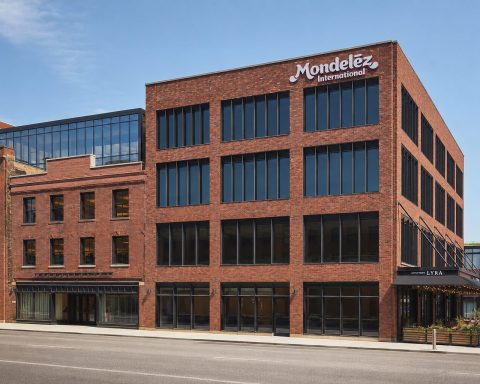
Hisham Ezz El-Arab, who spent 22 years at Danone, announced Tuesday on LinkedIn that he’s now heading up Mondelez International’s (MDLZ.O) Sub-Saharan Africa operations. In his post, Ezz El-Arab said he was “delighted to share” the move, taking on the role of President, Sub-Saharan Africa after leaving Danone. LinkedIn
The hire comes as the Oreo and Cadbury maker scrambles to keep volumes from slipping, following a year where price hikes carried the results. According to Zacks Equity Research on Monday, Mondelez posted a 4.3% gain in organic net revenue—this strips out currency effects and M&A—for 2025. But volume and mix were down 3.7%. Looking ahead, Zacks sees 2026 organic net revenue ranging from flat to up 2%. That forecast assumes Mondelez will have to reinvest more to hold demand steady.
Sub-Saharan Africa doesn’t bring in the biggest profits for the company, but with rapid population growth and more people moving to cities, Mondelēz sees plenty of snacking potential. The company has continued to press for wider distribution in these growth regions, while consumers in wealthier countries are cutting back, buying fewer packs and trading down.
Mondelez operates manufacturing and processing facilities in numerous countries, distributing its snacks to over 150 markets worldwide, Reuters company data shows. The company’s lineup features brands like Oreo, Ritz, Cadbury, Milka, and Toblerone.
Oreo is hauling in over $4 billion a year worldwide, according to trade publication Bakery&Snacks on Wednesday, which describes it as among the most valuable names in snacks. Ritz, for its part, has topped $1 billion in yearly sales, the publication added.
Nandini Roy Choudhury, a consultant with Future Market Insights, credits Mondelez’s broad brand roster and global reach for turning its snacking lineup into a confectionery heavyweight. She highlighted the company’s “disciplined” approach to bolt-on acquisitions—those smaller deals—as well as sharper revenue tactics like pricing changes and pack-size tweaks, all crucial when cocoa prices and other costs stay unpredictable. FoodNavigator.com
Rivals are contending with a similar cocktail of hesitant consumers and unpredictable input costs. PepsiCo and Hershey have pushed their core snack and candy products aggressively. J.M. Smucker, meanwhile, has tapped its major brands to break out of the traditional grocery category.
Ezz El-Arab has a wide brief. Mondelez pushes everything from chocolate to biscuits and candy across the region, but the main growth lever tends to be route-to-market—moving product into small shops fast, not just stocking supermarket shelves. In these markets, execution counts more than catchy slogans.
Still, Sub-Saharan Africa is a tough market. Currency swings might wipe out pricing gains. Supply snags can suddenly cut into availability, and sharp price hikes tend to sap demand for these discretionary treats.
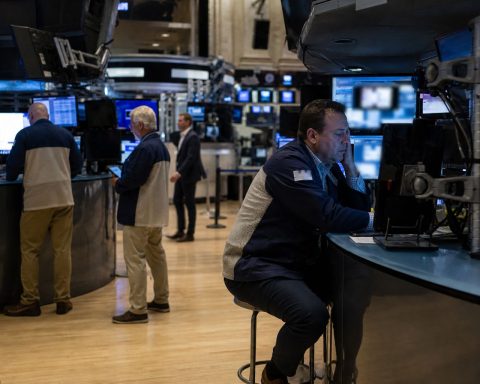
Mondelez ended Monday down 1.85%, trailing a number of other consumer names as U.S. stocks put in a mixed performance, according to MarketWatch. Shares finished at $60.44, falling short of their 52-week high. Trading volume came in below the recent average.
Mondelez faces pressure to grow its reach and defend its turf—without over-relying on price hikes. As for the Africa team shakeup, that’ll be measured where it counts: volume numbers, not job titles.