
Hong Kong, March 5, 2026, 19:56 HKT
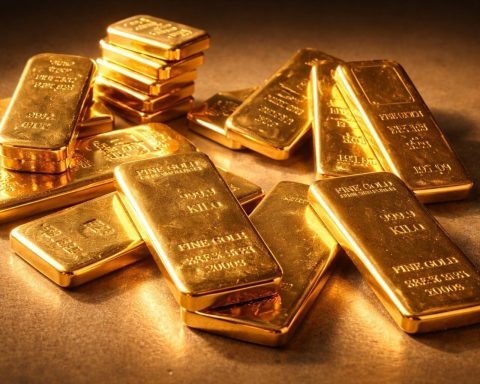
Hong Kong plans to introduce specific incentives aimed at attracting gold refiners and other precious-metals companies, focusing on overseas certifications and cross-border trading, according to InvestHK’s Benjamin Wong Kwok-fan on Thursday. “The purpose is to assist those setting up refineries in Hong Kong that haven’t yet obtained LBMA certification,” Wong said, pointing to London Bullion Market Association standards as the benchmark for wholesale bullion transactions. The city is looking to team up with the Shanghai Gold Exchange and regulators in Shenzhen to facilitate trade between Hong Kong merchants and qualified mainland refiners, with ambitions covering everything from ETF-linked products to tokenised gold. scmp.com
This new push follows a January agreement with the Shanghai Gold Exchange aimed at rolling out a central gold clearing platform—essentially the machinery for settling trades and reducing counterparty risk—while also boosting warehouse space. Hong Kong leader John Lee said the plan “will see Hong Kong’s rise as a regional gold reserve hub.” The government has set a three-year goal to ramp up storage to over 2,000 metric tons. reuters.com
Beijing is stretching its commodity strategy past gold now. The National Development and Reform Commission said it plans to tackle heavy industry overcapacity and keep copper smelting in check. The agency is also ramping up mineral exploration, building up strategic reserves, and intends to push harder on securing resources abroad.
China leads the world in both gold production and consumption, but pricing power still sits mostly with London and New York, where trading volumes and delivery systems run deep. “We will expand the country’s market share and influence on prices in the international gold market,” Hong Kong undersecretary for financial services and the treasury Joseph Chan Ho-lim said during a Feb. 20 speech. Mainland miners have tapped Hong Kong’s exchange to finance global acquisitions—like Zijin Gold International’s planned C$5.5 billion buyout of Canada’s Allied Gold. Meanwhile, Nikkei Asia noted the People’s Bank of China has added to its gold reserves for 15 consecutive months as of January. Strategist Koichiro Kamei pointed out that, after Russia’s assets were frozen, some nations are keen to “keep their gold within their own borders.” kr-asia.com
China’s latest five-year plan has raised the focus on critical minerals like rare earths and vowed to maintain its lead in the sector, tightening export controls along the way, Reuters reported. The plan also calls out a coming wave of grid expansion and clean-energy investment—factors that could drive up copper and aluminium demand. Still, Beijing again called attention to overcapacity, specifically highlighting copper smelting this time.
Swiss Resource Capital, in a Feb. 27 commentary, pointed to copper’s critical place in the renewables push and electrification, saying it remains front and center for both investors and policymakers. Gold, meanwhile, continues to attract buyers seeking protection when growth falters. The note also flagged that China’s 2026-2030 planning round puts industrial modernization squarely in the spotlight—a combination that keeps attention fixed on both metals.
Retail appetite is showing up as well. Over the first five days of the Spring Festival break, China Duty Free Group posted a 23.7% jump in sales at its cdf Sanya duty-free complex in Hainan. Jewellery and watches stood out among the top performers, according to the Moodie Davitt Report.
China’s hunger for gold is moving into duty-free outlets in Hainan, while efforts ramp up to expand clearing and storage facilities in Hong Kong, according to a Feb. 25 BeInCrypto report. The piece suggested Beijing is eyeing more than just stockpiling bullion—it wants a bigger hand in how gold gets priced and traded.
Kitco News, on March 4, ran a piece titled “China ramps up efforts to establish Hong Kong gold hub,” highlighting what it described as “major moves” from state-run and private mining firms, plus fresh market infrastructure in the works. kitco.com
Still, a bullion hub doesn’t come together overnight, and credibility isn’t something catchy phrases can buy. Refineries remain dependent on global standards and genuinely active markets. Offshore investors? They’re sizing up China’s capital controls, not to mention the looming issue of sanctions. As for Beijing, its pronouncements on overcapacity and stockpiles have been vague so far, which means surprises could be in store.
Hong Kong faces a near-term challenge: will refiners actually shift capacity, and will foreign buyers adopt the city for bulk delivery and storage? Beijing, on the other hand, has its own issue—does adding infrastructure really lead to greater sway over global benchmark prices?
Related articles: Gold