
SINGAPORE, March 9, 2026, 17:30 SGT
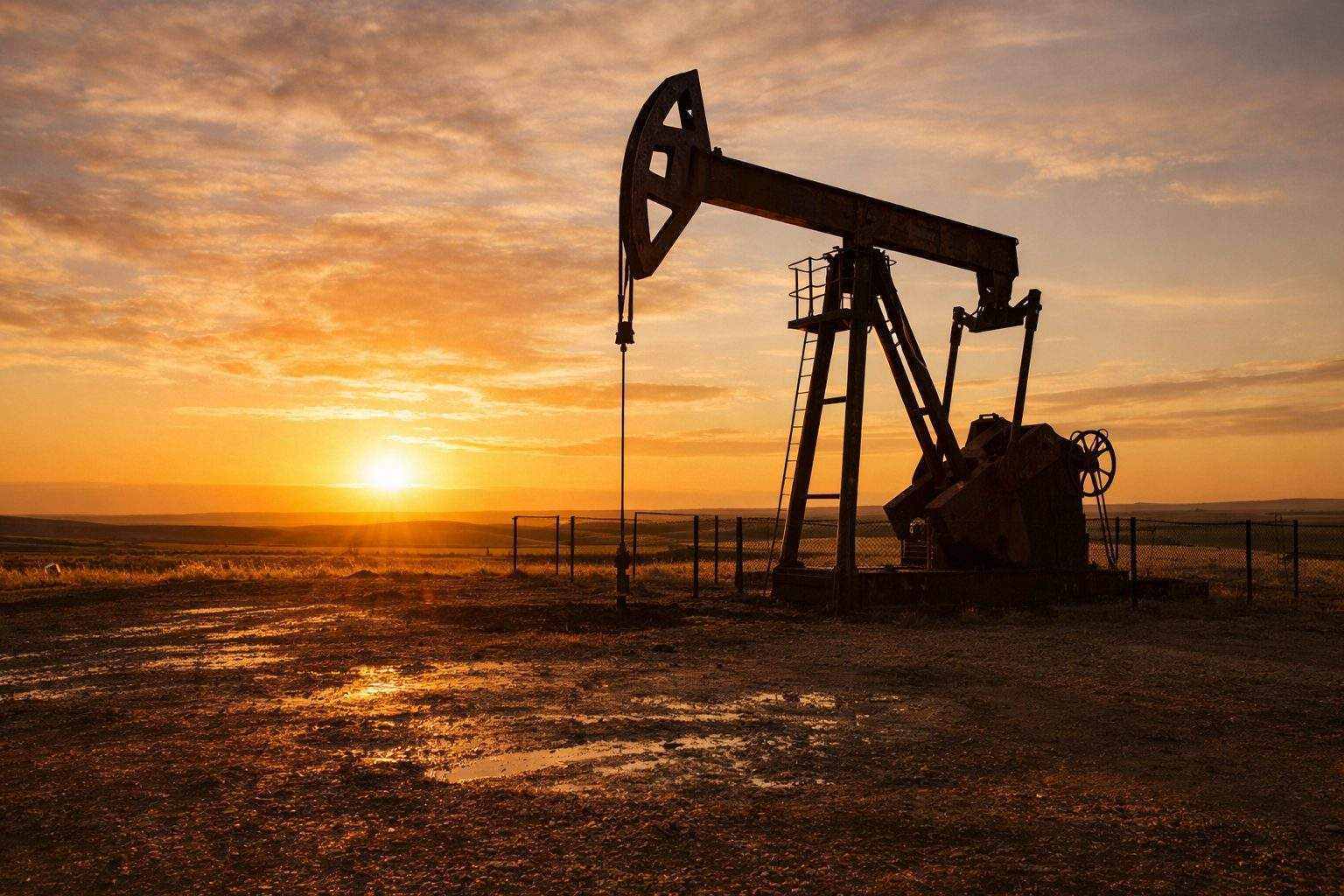
Oil shot higher Monday—Brent spiked to $119.50 a barrel at one point—as escalating conflict tied to Iran disrupted Middle East supply chains and unsettled shipping. That rally sent the global benchmark to its strongest mark since mid-2022 and set crude up for a record-setting daily gain.
Brent jumped 16.7% to $108.20 by 0642 GMT, with U.S. West Texas Intermediate adding 15.7% at $105.13. Fueling the surge: the Strait of Hormuz, the Gulf chokepoint moving about one-fifth of global oil, remains at the heart of the current turmoil.
Governments scrambled to contain the fallout. South Korea announced plans to cap domestic fuel prices—something it hasn’t done in close to three decades. Japan lined up a national oil reserve site in case a crude release was needed. Vietnam slashed fuel import tariffs. G7 finance ministers, according to a French government source, planned to weigh emergency reserves.
Analysts pointed to the market finally reflecting a genuine supply shock. “Upward pressure on prices is likely to persist” unless Hormuz flows restart soon, said Vasu Menon at OCBC. ANZ’s Daniel Hynes added that if forced well shut-ins drag on, a recovery will be delayed even after the conflict cools. Kpler’s Muyu Xu labeled the current environment a “perfect storm.” Reuters
Any notion of a hypothetical squeeze is gone. Iraq has slashed output at its key southern oilfields by 70%, now down to 1.3 million barrels per day, three industry sources told Reuters. Kuwait Petroleum started paring back production as well. Then Bahrain’s BAPCO invoked force majeure—allowing it to suspend contracts after its refinery complex was attacked.
Saudi Aramco stepped in to help fill the shortfall. According to traders, the oil giant put out rare tenders for over 4 million barrels of crude—Arab Heavy included, loading from Egypt’s Ain Sokhna. Some shipments were also redirected via Yanbu on the Red Sea, a move aimed at sidestepping the Gulf bottleneck.
The impact quickly hit related stocks. In India, state-run refiners Indian Oil, Hindustan Petroleum, and Bharat Petroleum dropped between 4.6% and 5.4%. UBS downgraded all three, pointing out their fuel sales outpace production—leaving them vulnerable if crude prices surge.
Traders saw the oil surge as fueling inflation worries before anything else, quickly followed by concerns about economic growth. Asian equities dropped, and Brent crude was heading for its sharpest one-day gain going back to at least 1988. With energy prices spiking, bets on rate cuts lost steam—higher fuel costs could squeeze industry margins and push up what consumers pay.
Still, the mood can shift quickly. Brent trimmed its advance, settling near $107.80 as talk of potential reserve releases swirled. Yet Barclays flagged the risk that prices could revisit $120 if tensions drag on for several more weeks, and in a sharper scenario, spike to $150. For now, the market is left straddling emergency policy moves and the possibility of a drawn-out supply crunch.