
BRISBANE, California, March 9, 2026, 07:01 PDT
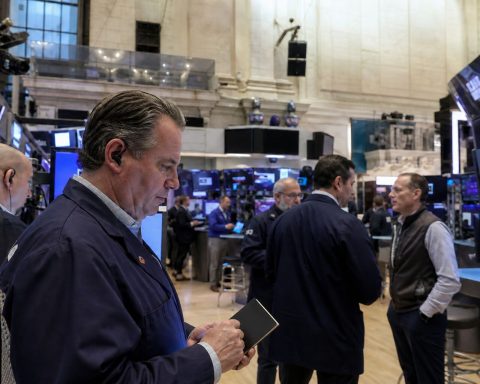
Day One Biopharmaceuticals opened Monday at $21.24, just under Servier’s $21.50 per share cash offer, with traders watching the French firm’s $2.5 billion acquisition, first unveiled March 6.
The key here: Servier picks up a cleared cancer drug. Day One’s Ojemda stands as the sole U.S.-approved monotherapy for pediatric low-grade glioma—the leading brain tumor in kids—handing Servier a straight shot at the pediatric brain tumor market.
The asset is already bringing in money. Day One logged $155.4 million from Ojemda sales for 2025 and, back in February, stuck to its 2026 U.S. revenue outlook of $225 million to $250 million. Servier, for its part, is aiming for 10 billion euros a year in revenue by 2030.
Servier has lined up a tender offer at $21.50 a share, pitching a 68% premium over Day One’s March 5 close. The offer goes straight to shareholders. Day One’s board is backing the deal and urging holders to tender their shares. Both companies are aiming to wrap up the transaction in the second quarter.
Servier President Olivier Laureau described the deal as “another decisive step” for the company in rare oncology. Jeremy Bender, CEO of Day One, called Servier the “ideal home” for both the portfolio and its flagship pediatric glioma therapy. Servier
Wedbush’s Robert Driscoll described Day One as “an attractive take-out candidate,” pointing to the Ojemda launch and potential for expanded use if the drug secures approval for earlier treatment, possibly by 2028. As of Monday, Day One shares hovered just under the all-cash offer price. Reuters
Competition helps set this asset apart. Ojemda is going up against Novartis’ Tafinlar and Mekinist, which are taken daily as a two-drug combo. Day One, though, pitches Ojemda as a once-weekly dose. Over in the adult glioma space, Servier already markets Voranigo.
There’s more to this story globally. On March 2, Day One reported that its partner Ipsen received a green light from the European Medicines Agency’s drug committee, which recommended conditional approval for Ojemda in kids dealing with relapsed or refractory BRAF-altered pediatric low-grade glioma.
But the transaction isn’t across the finish line yet. According to SEC filings, the tender offer hasn’t been launched, and completion hinges on both shareholder participation and U.S. antitrust approval. Day One pointed to potential hurdles: rival bids, lawsuits, plus possible ripple effects among staff and partners. No formal offer documents have appeared so far.
Related articles: Pharmaceutical Industry