
LONDON, March 9, 2026, 21:46 GMT
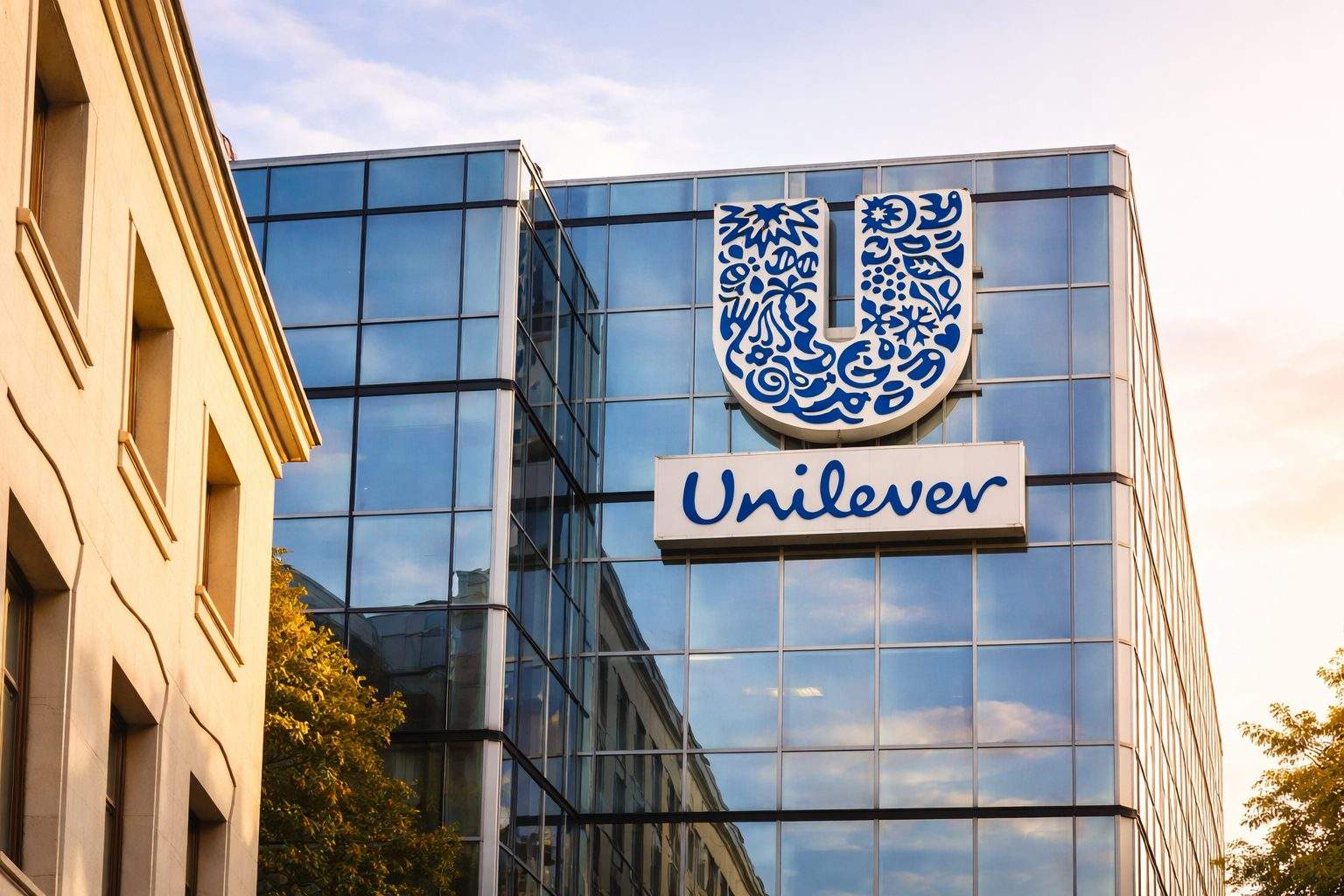
Unilever slipped 0.64% to finish at 4,903.5 pence on Monday in London, with the shares losing ground as oil prices soared and European equities broadly sold off. Investors kept a close watch on the group’s performance, still digesting the recent spin-off of its ice cream business and eyeing its growth prospects.
This shift is significant: Unilever, back on Feb. 12, flagged that 2026 sales growth would likely hit the lower end of its 4%-6% multi-year band after encountering weaker demand in both the U.S. and Europe. Now, Chief Executive Fernando Fernandez faces pressure to prove that a leaner, sharper Unilever has what it takes.
Developed markets made up 41% of the group’s turnover, according to Unilever’s full-year statement. Underlying sales growth—a metric favored by Unilever that adjusts for currency moves and acquisitions—slowed to 1.7% in the fourth quarter across these markets. North America managed 2.8% growth, while Europe barely budged at 0.1%. Monday’s oil shock has thrown that soft spot back into the spotlight.
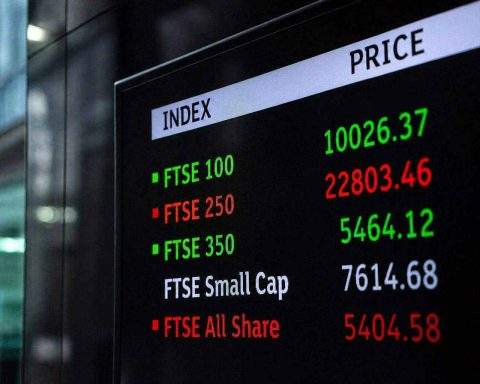
It was a rough session across the board. The FTSE 100 dropped 0.3%, while the STOXX 600 slid 0.6%. Oil took off—crude jumped over 25%, brushing up against $120 a barrel and stoking fresh concerns over inflation, higher transport expenses, and where European interest rates go from here.
Unilever’s outlook for 2025 didn’t look weak at first glance: underlying sales climbed 3.5%, and fourth-quarter sales growth ticked up to 4.2%. The company also announced a fresh 1.5 billion euro buyback, kicking off in the second quarter. Still, Unilever flagged that 2026 growth would probably be stuck at the lower end of its target range. It’s holding onto goals for at least 2% volume growth and aiming for a slight nudge up from the 20.0% operating margin it reported for 2025.
James Edwardes Jones of RBC Capital Markets noted “signs of progress” showing up at Unilever. Still, he warned, “we think it will take time.” Over at Quilter Cheviot, Chris Beckett described developed market shoppers as just “okay-ish”—hardly ideal conditions for branded consumer goods companies. Reuters
Fernandez says Unilever is pushing ahead “at speed” to reshape itself around beauty, wellbeing, and personal care—focusing harder on premium lines, digital channels, and growth in the U.S. and India. Company data shows those high-velocity segments drove 2025 results. Power Brands made up 78% of total turnover, Unilever said. Unilever
Unilever isn’t alone in feeling the squeeze. Just last week, Reckitt pointed to emerging markets carrying growth while Europe lagged, and Nestle in February confirmed it was negotiating a further sale of its in-house ice cream operations as it zeroed in on core categories. Consumer giants are still trimming down their brands, chasing growth wherever demand hasn’t faded.
There’s a catch, though. Oil’s staying power at elevated levels threatens Unilever on two fronts: pricier inputs and shipping, plus wary consumers tightening their purse strings. Europe’s vulnerability to supply jostles adds to the headache. Prolonged conflict risks stoking inflation just when Unilever’s working to claw back volume in the U.S. and Europe.
The next major hurdle comes soon. Unilever will deliver its first-quarter 2026 trading statement on April 30, and investors will want to see whether the company, now without Magnum, can push volume growth without just jacking up prices.
Related articles: LSE:ULVR