LONDON, March 13, 2026, 18:00 GMT
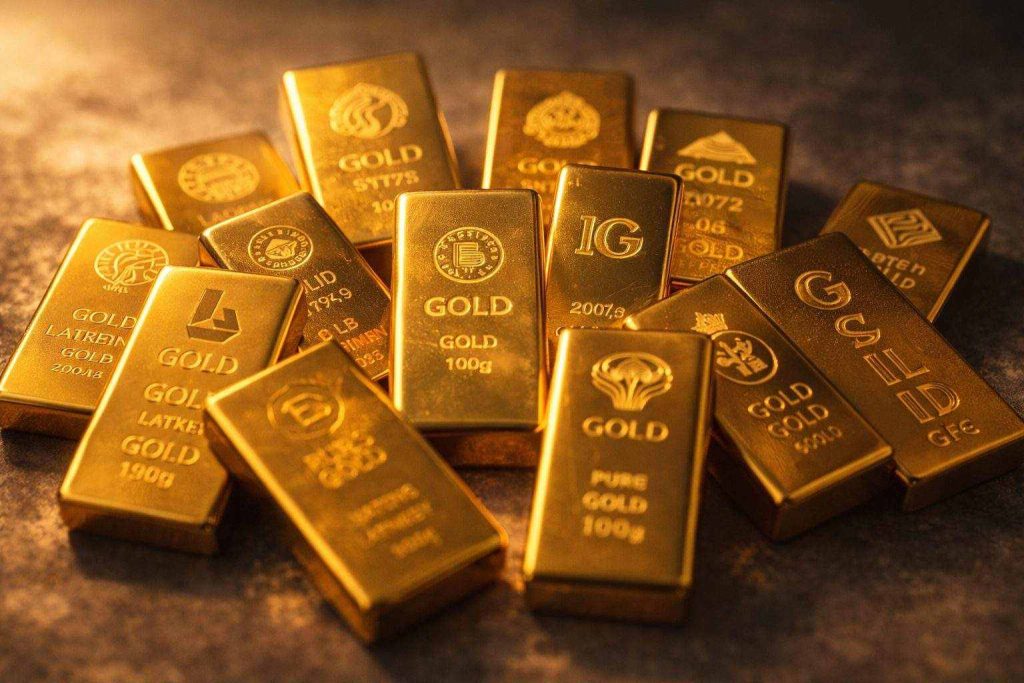
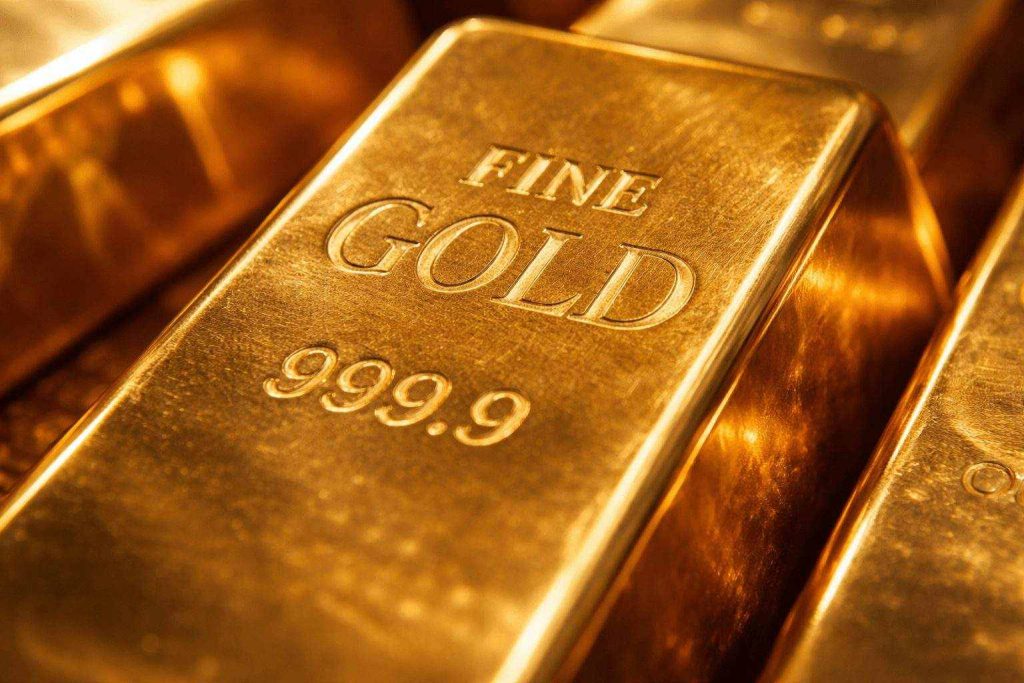
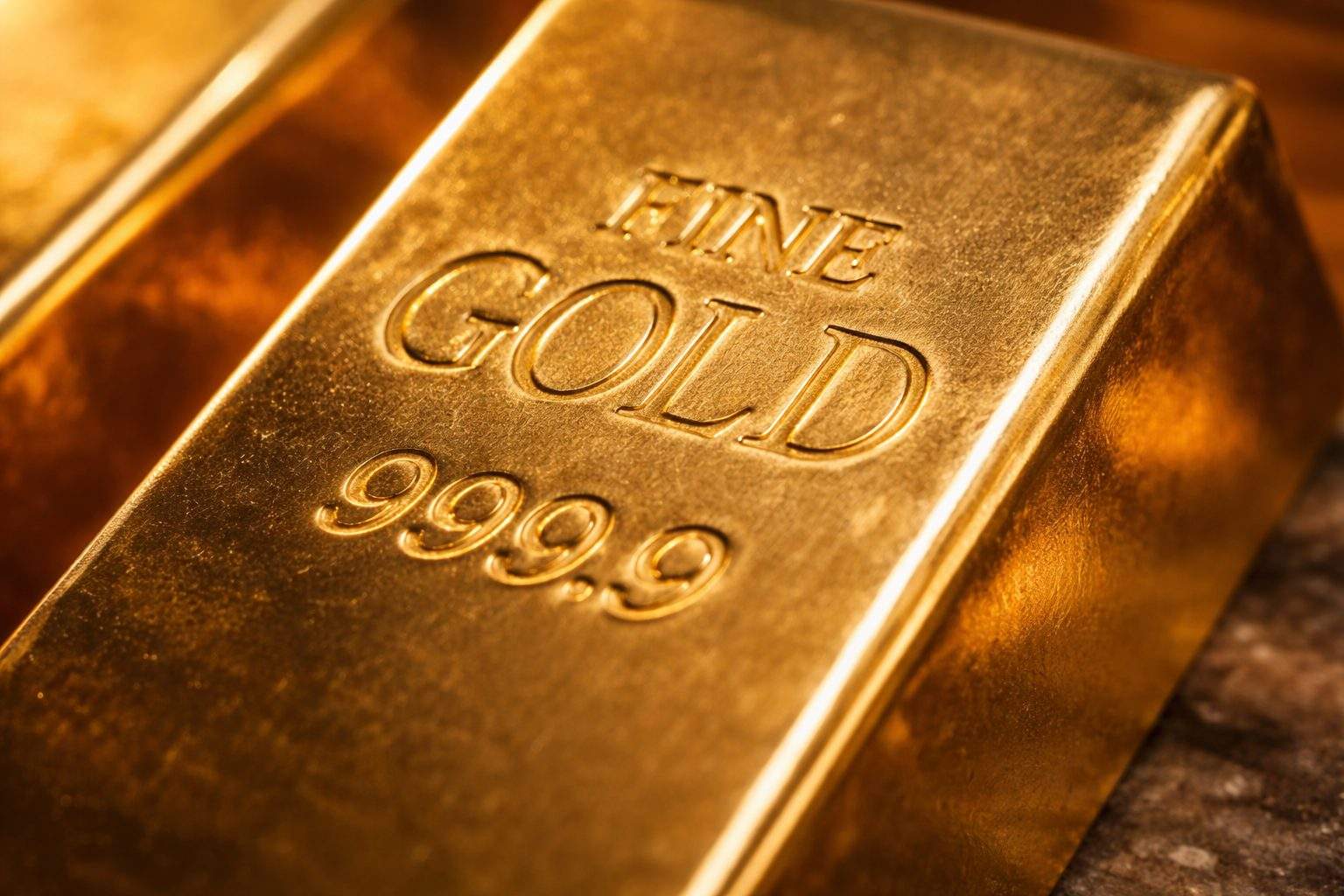
Gold slipped on Friday, losing 0.6% to $5,046.69 an ounce by 12:39 p.m. ET, putting the metal on track for its second consecutive weekly drop. April U.S. gold futures shed 1.5% to $5,051.30. With the dollar strengthening and inflation concerns linked to the Iran war weighing heavily, bullion’s safe-haven draw took a back seat. Silver, platinum, and palladium also looked set to close the week in negative territory.
The reversal carries weight, breaking up what had been one of the year’s top trades. Even after that, gold remains 19% higher in 2026, tacked onto a 64% rally through 2025. But this week, the combination of rising oil prices, a sturdier dollar, and the reality of U.S. rates staying elevated overshadowed the usual safe-haven bid. Zaner Metals’ Peter Grant described the situation as a “push-and-pull” between haven demand and the drag from persistent rates. Over at City Index, Fawad Razaqzada pointed to stronger energy prices tamping down rate-cut optimism. Gold’s classic appeal as an inflation and crisis buffer remains, but it still doesn’t yield interest. Reuters
Fresh U.S. numbers on Friday only intensified the market’s concerns. Consumer spending climbed 0.4% in January, with core PCE inflation, the Fed’s go-to indicator, also ticking up 0.4% for the month and 3.1% year-over-year. The government revised fourth-quarter GDP growth down to an annualized 0.7%. Nationwide’s chief economist Kathy Bostjancic pointed to a “steep rise in inflation” and softer economic activity. Following the release, traders in the interest-rate futures market moved up their projected timing for a Fed rate cut to September, from October. Reuters
Oil remains the wild card. Goldman Sachs is calling for Brent to hold above $100 a barrel in March, and the bank flagged that any extended trouble in the Strait of Hormuz could keep prices stubbornly elevated as the year drags on. President Donald Trump dialed up the rhetoric, vowing the United States would hit Iran “very hard over the next week.” That keeps energy markets and inflation expectations on edge, with every new escalation sending ripples. Reuters
Physical markets aren’t immune, either. According to Reuters, just a handful of flights have restarted out of Dubai—a key bullion supplier to Switzerland, Hong Kong, and India. By Thursday, traffic was still stuck at 37% of the usual level, a source said. The result: higher insurance and transport bills, and Indian buyers staying on the sidelines for now.
The longer-term bull story isn’t dead yet. Phillip Streible at Blue Line Futures flagged the stronger dollar, firm Treasury yields, and the lack of rate cuts as “negative factors.” Still, the conflict is pulling some haven flows into gold, he said. Streible also highlighted ongoing central-bank purchases, and noted that ETFs—those funds holding bullion for investors—are seeing steady inflows. Reuters
Inflation’s ripple effects aren’t hard to spot. Early March saw U.S. consumer sentiment slipping to 55.5, down from February’s 56.6. Michigan’s Joanne Hsu pointed out that any optimism vanished after the military action in Iran—her survey caught the change right away. Gasoline is up over 21% since the conflict began, squeezing households and making things tricky for gold, given the current interest rate climate.
The path forward remains uncertain. Bart Melek at TD Securities notes that oil pulling back from those $100-plus highs might keep gold attractive as a shield against inflation—without completely shutting the door on potential Fed cuts. Should crude drop more and the dollar lose ground, gold prices could find their footing. But if oil or yields push higher, this week’s losses for bullion might just get steeper.