
NEW YORK, March 14, 2026, 14:17 (EDT)
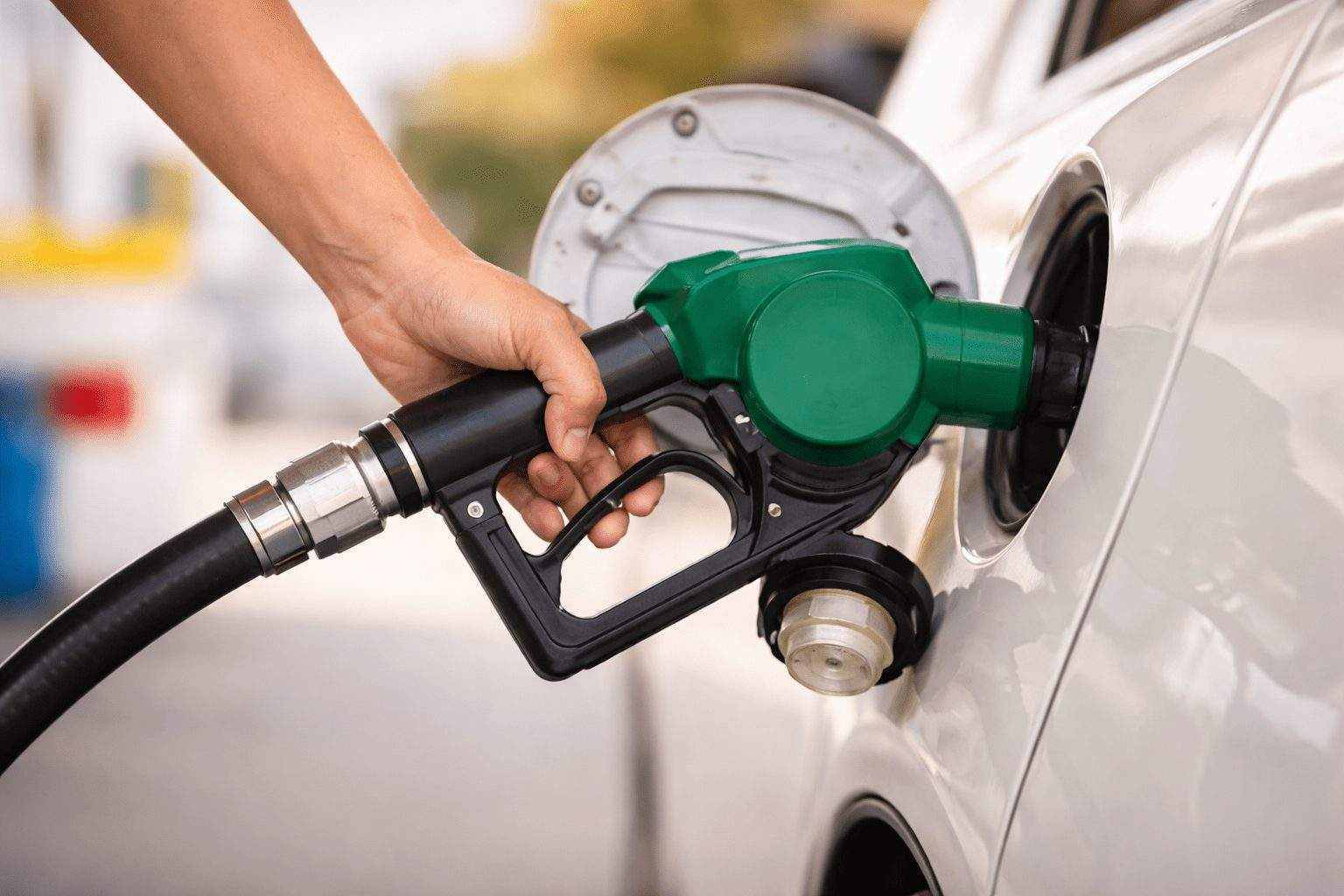
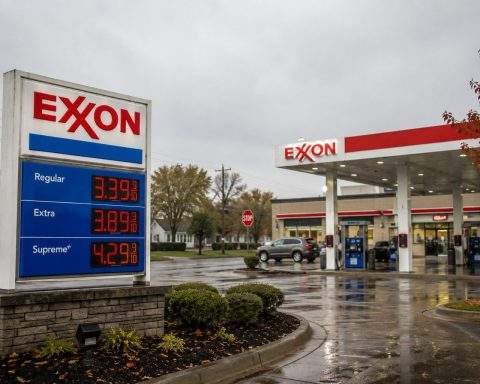
Regular gasoline in the U.S. hit an average of $3.675 a gallon on Saturday, building on a sharp jump seen in March as Brent crude closed above $100 a barrel Friday. Early attempts to tamp down the surge haven’t done much so far. AAA’s state-by-state numbers show the national average climbing further past $3.60—a threshold not seen since May 2024, first crossed just this Thursday.
Spring travel is ramping up right as pump prices climb, pressuring household confidence. In March, the University of Michigan reported that consumer sentiment slipped—gasoline costs have surged over 21% since the start of the conflict with Iran.
Gas prices are feeling the squeeze as market signals turn tighter. AAA reported the national average at $3.598 on March 12, pointing to Energy Information Administration figures showing gasoline demand hitting 9.24 million barrels per day last week. Domestic supply dropped to 249.5 million barrels, just as spring break travel kicked off.
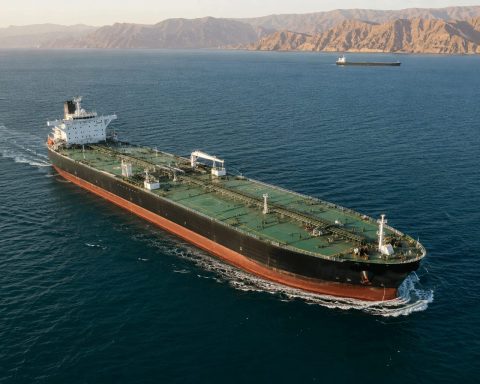
Crude remains the key. Brent, the global benchmark, finished Friday at $103.14 a barrel. Goldman Sachs is now projecting Brent to stay over $100 through March, with a drop to $85 expected for April. The bank still anticipates a slide to the low $70s later in the year—if the situation at the Strait of Hormuz, which handles roughly a fifth of global oil flows, calms down.
Quick relief at the pump isn’t likely. Analysts noted a U.S. shipping-rule waiver and tapping emergency reserves could help break up some regional logjams, but they won’t halt climbing retail gasoline prices. Joe Brusuelas at RSM described the reserve release as just a “temporary salve.” GasBuddy’s Patrick De Haan estimated a waiver might only trim price hikes by “around a nickel a gallon” in areas that depend on imports. Reuters
Gas prices hit harder in some states than others. On Saturday, California drivers were paying an average of $5.483 a gallon, AAA data showed, while Washington stood at $4.837 and Texas at $3.350. A day earlier, California’s average reached $5.42. Last year, Chevron’s Richmond and El Segundo facilities, along with Marathon Petroleum’s Los Angeles plant, led the state for crude imports. Energy economist Philip Verleger called the West Coast the possible “poster child” for the price shock. And according to Matt Smith at Kpler, there just isn’t “a great deal of incremental supply” for the region. AAA Fuel Prices
China tightened the pressure Thursday, imposing an outright March ban on refined fuel exports—gasoline and diesel—aimed at preventing domestic shortfalls. The move threatens to thin out available export barrels in the Pacific, right as U.S. coastal buyers scramble to secure supply.
The U.S. government said Friday it expects initial shipments from the Strategic Petroleum Reserve—America’s emergency crude stash—to hit the market before next week wraps up. The Energy Department has put out a call for bids on 86 million barrels, marking the first tranche of the planned 172 million-barrel U.S. release. This move is part of the wider International Energy Agency’s 400 million-barrel coordinated effort.
Gasoline prices are still likely to climb in the short run, though gains could come more gradually. Most analysts see oil holding its ground, and De Haan expects fuel costs to keep tracking crude higher. If Brent hangs around $100, drivers should brace for further pump pain heading into late March.
This is a rough market to read. Goldman sees oil prices pulling back later if supply issues ease off. Barclays figures Brent at $85 in 2026 if the Strait of Hormuz stabilizes within two to three weeks. But if traders begin to factor in a four-to-six week jam, Barclays puts Brent at $100. For drivers, it comes down to this: a pump price spike for spring, and maybe, just maybe, some relief down the road—if the vital shipping route clears.
Related articles: NYSE:CVX



![US Stock Market Today 08/28/2026 [UPDATE: 00:10 EDT] [Marvell Holds 7.8% Loss Despite Raised Revenue Targets]](https://ts2.tech/wp-content/uploads/2026/08/US-market-dashboard-2026-08-28-0009-480x384.jpg "US Stock Market Today 08/28/2026 [UPDATE: 00:10 EDT] [Marvell Holds 7.8% Loss Despite Raised Revenue Targets]")


![Australia Stock Market Today 28/08/2026 [UPDATE: 13:36 AEST] [Banks and BHP Lift ASX as WAM, PEXA Sink 18%]](https://ts2.tech/wp-content/uploads/2026/08/AU-market-dashboard-2026-08-28-1334-480x384.jpg "Australia Stock Market Today 28/08/2026 [UPDATE: 13:36 AEST] [Banks and BHP Lift ASX as WAM, PEXA Sink 18%]")