HOUSTON, March 20, 2026, 15:59 CDT
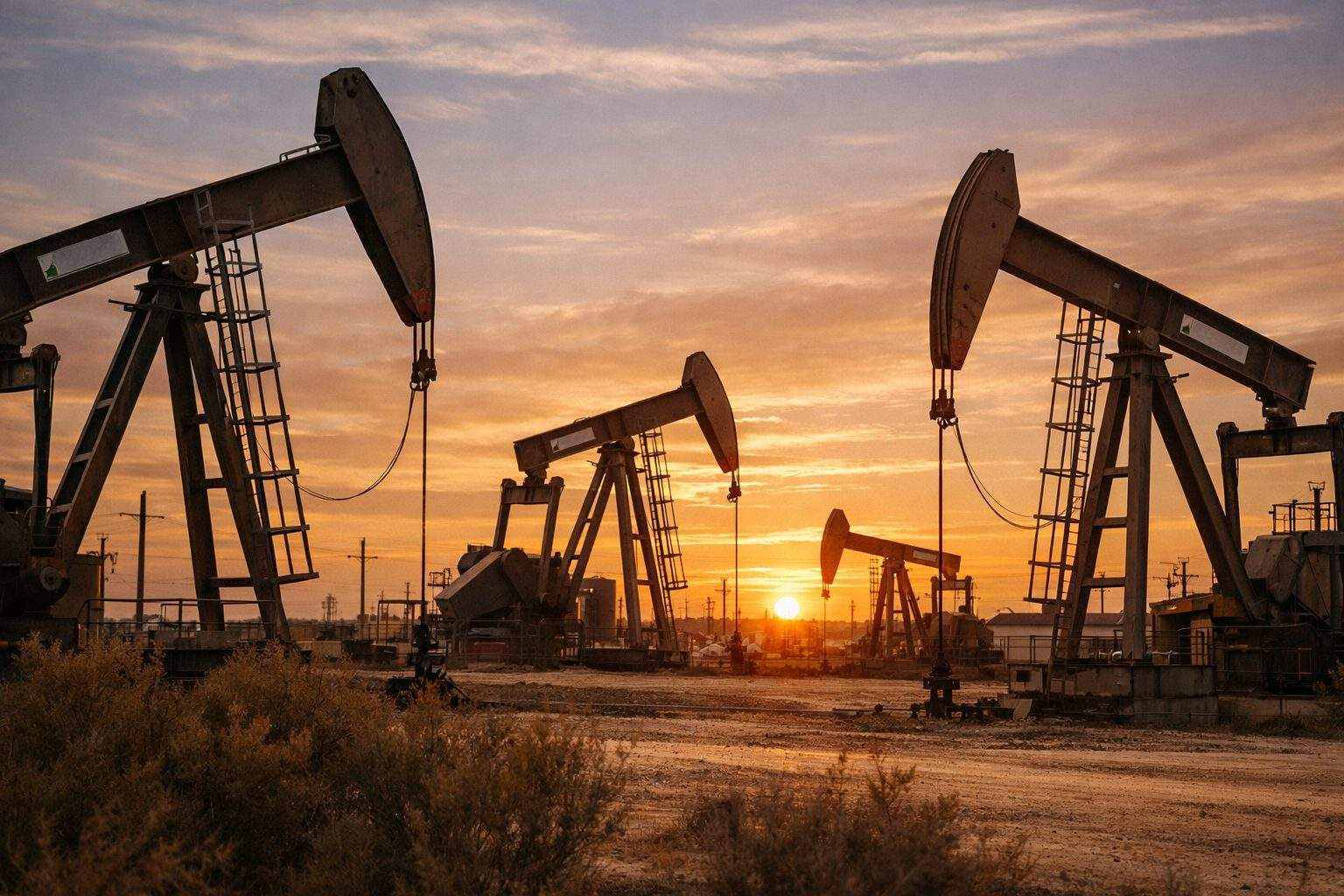
Friday saw oil notch its strongest close since July 2022, as Iraq invoked force majeure on foreign-run fields and tensions escalated in the Gulf. Brent crude for May delivery jumped 3.26% to finish at $112.19 a barrel. The front-month April WTI contract wrapped up at $98.32, just above the more heavily traded second-month U.S. crude, which settled at $98.23.
This is a live issue, with the Strait of Hormuz handling roughly 20% of global oil and LNG traffic. Iraq has already pointed to military disruption in the area, citing stalled tanker nominations, full storage tanks, and production shut-ins. Force majeure—a contractual out for companies hit by uncontrollable events—has now been declared.
Pressure is building in the physical oil market—where buyers and sellers swap real barrels, not just trade futures. According to Reuters, flows of regional crude and condensate have slipped by roughly 12 million barrels a day. Dubai crude surged to $166.80, setting a new record. European jet fuel broke $220. ICIS analyst David Jorbenaze noted that spot market action signals “a much tighter system beneath the headline price.” Reuters
So when CERAWeek lands in Houston next week, it’s shaping up as more than the usual industry gathering—a real test under pressure. Heavyweights from Chevron, Shell, TotalEnergies and Aramco are set to show up. Dan Yergin put it bluntly: forget AI, the real focus is now on keeping energy secure and affordable. Dan Pickering at Pickering Energy Partners added that U.S. shale won’t be flooding the market with fresh barrels unless prices stay elevated for a good stretch.
Benchmark spreads are feeling the strain, too. WTI’s gap versus Brent widened to an 11-year high this week. As traders scrambled for substitutes for Gulf sour crude — the high-sulfur grade that dominates Middle East shipments — premiums for Dubai and Oman crude hit record levels, and prices for Mars Sour in the U.S. Gulf jumped.
Energy shares outperformed, with the S&P 500 energy index up 2.8% for the week—this, while global equities dropped and bond yields rose as worries grew over a drawn-out oil shock fueling inflation and keeping central banks nervous.
The fallout isn’t just hitting crude. QatarEnergy chief Saad al-Kaabi said he’d urged “restraint on oil and gas facilities” several times before the latest attacks. He told Reuters that damage at Ras Laffan may slash LNG shipments to Europe and Asia for as long as five years. That squeeze could spill over to oil products, with some industrial users ready to swap fuels when possible. Reuters
There’s a possible reprieve—at least temporarily. Washington is talking about lifting sanctions on roughly 140 million barrels of Iranian oil currently stuck offshore, looking at another Strategic Petroleum Reserve release, and pushing to get shipping lanes open again. Chubb, for its part, says its U.S.-supported war-risk insurance facility would back vessels passing through Hormuz. Governments meeting at the International Maritime Organization, meanwhile, have put forward the idea of a safe corridor for ships and crews.
The relief, though, is hardly complete. U.S. Energy Secretary Chris Wright said Iranian crude might make it to Asian ports in as little as three or four days, with broader flows showing up over the next month or so—30 to 45 days. That’s quicker than ramping up fresh output, but it doesn’t restore access to Hormuz or reverse the disruptions already seen in the Gulf.