
New York, March 23, 2026, 18:32 EDT
Transocean shares finished Monday at $6.46, climbing from $6.22 on Friday—a stronger jump than offshore drillers Valaris, Noble, or Seadrill managed.
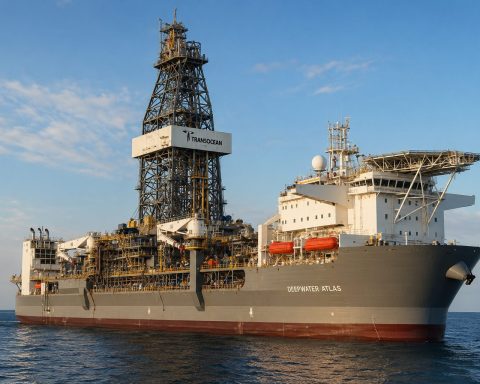
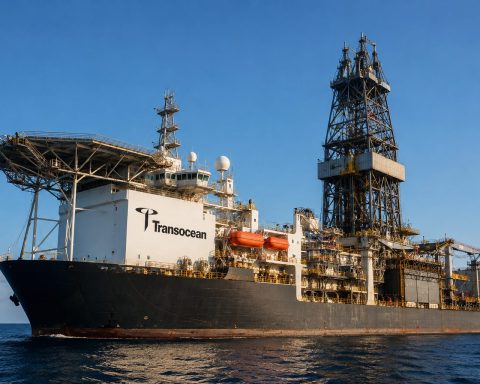
Transocean’s $5.8 billion all-stock bid for Valaris remains in the spotlight. The merger would result in a combined 73-rig fleet carrying about $10 billion in backlog—essentially booked future revenue. Regulatory and shareholder approval are still ahead, with the deal targeted to wrap up in the second half of 2026.
Monday’s session didn’t lack drama. Wall Street clawed back some losses following President Donald Trump’s announcement that Washington would hold off on hitting Iranian energy targets, yet Brent crude still tumbled, closing down 10.9% at $99.94 a barrel.
Transocean, late Friday, dropped a preliminary proxy statement with a fresh capital play. The company’s board is asking shareholders for the green light to issue as many as 240,801,936 shares—roughly 20% of stock outstanding as of March 3—through May 22, 2027. The SEC logged the filing at 4:15 p.m. on March 20.
Chief Executive Keelan Adamson, in that same filing, said Transocean headed into 2026 with over 90% of its fleet already booked and a backlog standing at $6.1 billion. He called the Valaris deal transformative and noted the company expects more than $200 million in synergies from the transaction, plus around $250 million in cost reductions on a standalone basis. The combined pro forma backlog comes in just shy of $11 billion.
Back in February, when the two firms announced the merger, Adamson pointed out that Transocean’s hefty debt load was dragging down its equity, adding that leverage could dip to roughly 1.5x earnings within two years after the deal wraps. According to the agreement, Valaris shareholders are set to get 15.235 Transocean shares for every Valaris share they hold, giving them around 47% of the merged entity. Transocean investors would hold the remaining 53%.
Leslie Cook, principal analyst at Wood Mackenzie, says the merger would lock in Transocean’s dominance in high-spec ultra-deepwater rigs and steer the market closer to “duopoly conditions” with greater pricing power. That’s the pitch Transocean is making as it faces off with other offshore drilling competitors and seeks more heft. woodmac.com
But things could still swing in the opposite direction. Transocean has flagged a handful of risks to the Valaris tie-up—regulatory or shareholder pushback, lawsuits, customer contracts with change-of-control triggers, less synergy than hoped, or delays in cutting debt. Oil isn’t any steadier: U.S. crude jumped 1.6% in early Asia trade this Tuesday after Iran shot down reports of talks with Washington, underscoring just how quickly conditions can flip.
Related articles: NYSE:RIG