
NEW YORK, March 24, 2026, 08:19 EDT
Minutes before President Donald Trump declared the U.S. had engaged in “productive” talks with Iran, a flurry of oddly timed wagers hit oil and stock-index futures. The news set off a relief rally that wiped more than 10% off crude prices and pushed Wall Street sharply higher on Monday. But by Tuesday morning, the mood was already shifting—oil bounced back above $100 as investors digested Tehran’s denial that any talks had actually occurred. Financial Times
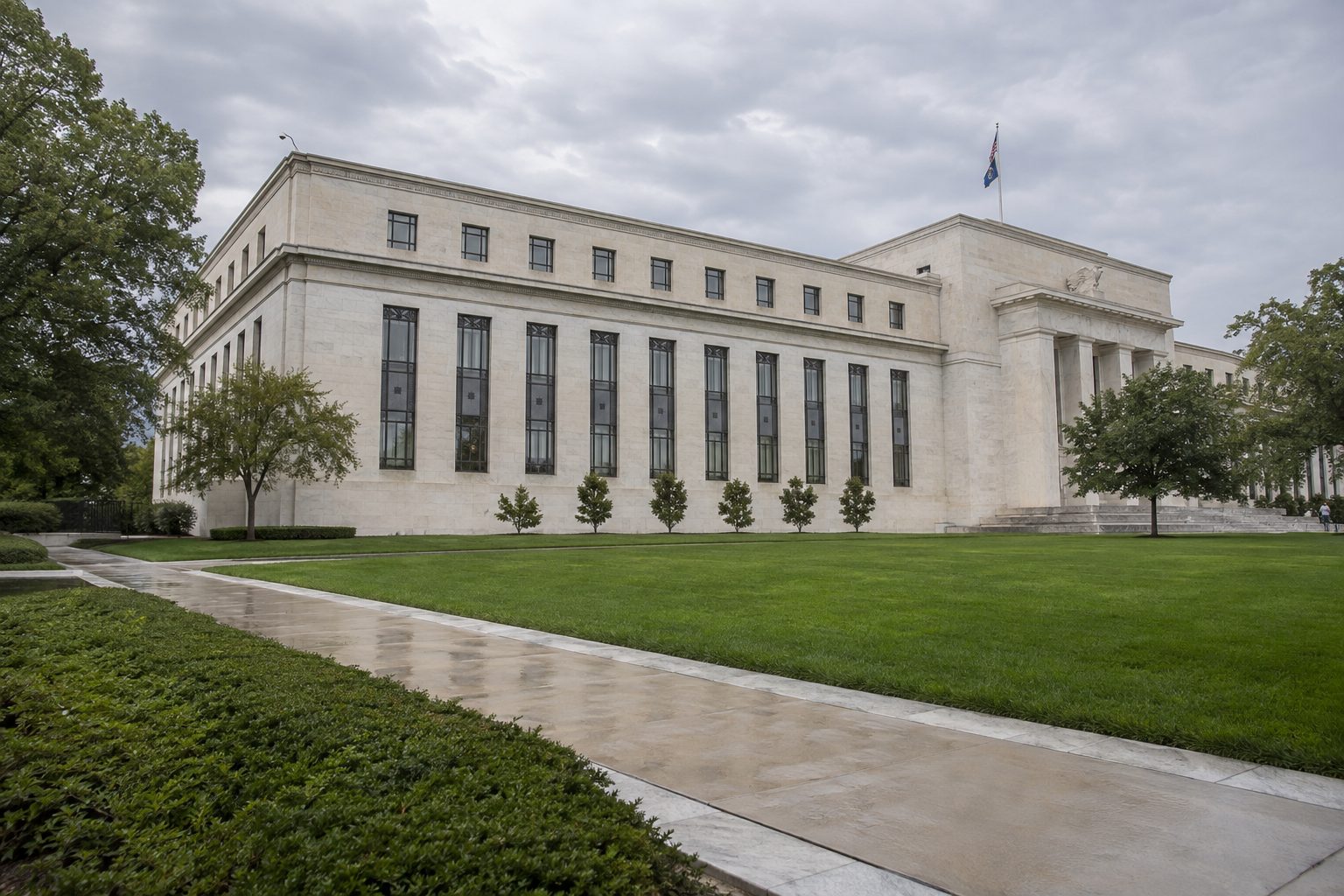
This one has traders juggling two volatile threats at once: war is pushing up energy prices, and Trump has pivoted in just days from warning Iran of a strike on its power grid to suddenly hitting pause for five days. The Strait of Hormuz—normally the route for around a fifth of all oil and LNG in the world—is still basically shut. With fuel prices jumping, money markets have dialed back bets on Fed rate cuts this year, inflation anxiety now front and center.
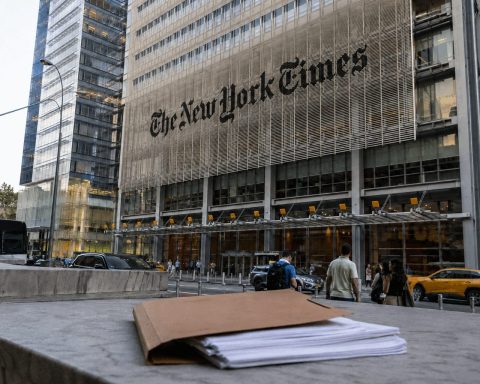
About $580 million in Brent and West Texas Intermediate futures traded hands in a single minute, right between 6:49 a.m. and 6:50 a.m. New York time, the Financial Times reported—just under 15 minutes before Trump’s post appeared on Truth Social a little after 7 a.m. CNBC, for its part, flagged abrupt spikes in both S&P 500 e-mini futures—contracts that track the benchmark—and WTI volumes, all during a fairly quiet premarket stretch. White House spokesperson Kush Desai, speaking to the FT, said the administration won’t tolerate officials benefitting from insider information and dismissed any such claims as unfounded.
Trump said in a post that Washington and Tehran had engaged in “very good and productive” talks. He added he’d hold off on strikes against Iranian power plants and energy sites for the next five days. Markets snapped to it: Brent tumbled as much as 13% in minutes. Europe’s STOXX 600 swung out of a 2.5% loss and finished positive. Stateside, the Dow, S&P 500, and Nasdaq all marked their strongest single-day percentage jumps since Feb. 6. Reuters
The spike didn’t signal faith in a diplomatic solution—it felt more like a wager that Trump would back off if stocks took another dive. Daniel Alpert, managing partner at Westwood Capital, called the surge detached from any “real fundamental reality,” saying traders were “just trading Trump.” Steve Sosnick at Interactive Brokers added, “nobody wants to miss a rally.” The Wealth Advisor
Plenty of others saw it similarly. Tim Ghriskey at Ingalls & Snyder put it bluntly: “you never know who to believe.” For Fiona Cincotta at City Index, the post simply gave markets space to reprice “worst-case expectations.” Bob Doll of Crossmark Global Investments boiled it down: stocks move up when oil falls, plain and simple. Reuters
The bounce hit the market’s top fuel-sensitive stocks right away. United Airlines jumped over 4%. Shares of American Airlines tacked on 3.66%. Norwegian Cruise Line ran up more than 6%. All 11 S&P sectors closed in the green.
The catch remains obvious. Fars and top Iranian officials shot down any talk of negotiations with Washington, rockets landed in Israel overnight, and by Tuesday Brent crude was sitting at $101.77 a barrel. WTI climbed back to $90.34. Macquarie still sees Brent with room to run—$150’s possible if Hormuz stays closed into April—and BCA Research isn’t buying the dip yet, saying it’s premature to bet on cheaper oil.
Energy leaders don’t sound optimistic, even if strikes stop briefly. TotalEnergies CEO Patrick Pouyanne pointed out that rising oil prices are hitting helium deliveries, a key input for semiconductor and medical producers. ADNOC’s Sultan Al Jaber, meanwhile, described a shock that’s pushing up costs for households and dragging on economic activity “from factories to farms to families.” Reuters
Dow futures slipped 0.1% ahead of the U.S. open Tuesday. The S&P 500 e-minis edged lower by 0.05%. Nasdaq 100 e-minis managed to stay just above flat. Not the sharp swings seen Monday, but markets still aren’t giving clear direction. Traders remain glued to each fresh headline on the war, still reacting in real time.


![Australia Stock Market Today 29/08/2026 [UPDATE: 08:36 AEST] [Weekly Recap + Week Ahead: Tech Rebounds Before GDP]](https://ts2.tech/wp-content/uploads/2026/08/AU-market-dashboard-2026-08-29-0830-480x384.jpg "Australia Stock Market Today 29/08/2026 [UPDATE: 08:36 AEST] [Weekly Recap + Week Ahead: Tech Rebounds Before GDP]")