
NEW YORK, March 26, 2026, 1:11 PM EDT
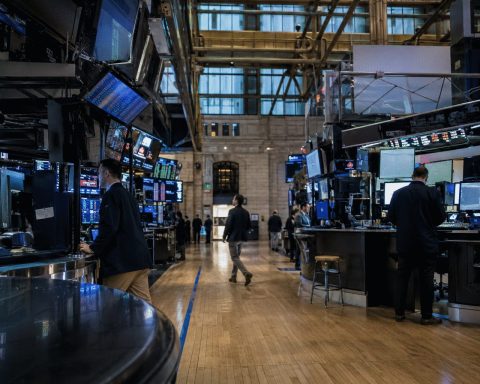
By midday Thursday in New York, the Dow Jones Industrial Average had slipped 202.81 points, or 0.45%, to 46,221.54. That move erased a chunk of Wednesday’s rally, with traders wary on mixed messages from the U.S. and Iran over a war-ending proposal. The S&P 500 was off 0.77%, while the Nasdaq Composite shed 1.05%.
This shift is catching attention, with oil surging—Brent crude tacked on $5.26 to hit $107.48 a barrel late Thursday morning. That rally is stoking fresh inflation fears and has knocked out this year’s odds for Fed rate cuts. Just before tensions with Iran flared, markets were still pricing in two cuts.
The selloff arrives just as economists update their outlooks. On Thursday, the OECD pointed to the war as the reason global growth has veered off what had been a stronger trajectory. A Reuters poll, meanwhile, shows most economists now see the Fed pausing until at least September, despite markets turning more hawkish.
The Dow added 305.43 points, up 0.66%, on Wednesday as oil tumbled over 2%. Iran’s review of a U.S. proposal initially spurred some optimism. That didn’t last—an Iranian official quickly labeled the offer “one-sided and unfair,” though talks haven’t broken down yet. Reuters
The Dow, made up of 30 major U.S. names and weighted by stock price, sees outsized moves from its pricier components. Tech and communication-services stocks pulled the broader market lower Thursday after jury verdicts rattled Meta and Alphabet. Energy names, though, got a lift as crude prices climbed.
“There’s just a lot of confusion as to what is really happening,” said Hank Smith, director and head of investment strategy at Haverford Trust, speaking with Reuters. For Gene Goldman, chief investment officer at Cetera Investment Management, any genuine progress in talks might steady things, but without clear direction, he expects volatility “to remain elevated.” Reuters
But some on Wall Street aren’t ready to call it a downturn. Krishna Chintalapalli at Parnassus Investments points to U.S. companies growing “more resilient to geopolitical risks.” RBC’s Lori Calvasina, in a recent note, flagged the potential for a larger earnings impact further out—if oil prices remain elevated. Reuters
Labor figures landed as expected: jobless claims edged up by 5,000 to 210,000 last week, while continuing claims slipped to 1.819 million. Barclays’ Jonathan Millar noted it’s “entirely plausible” the Fed holds off on cuts until next year if officials ride out the oil shock. Reuters
Oil remains the obvious move. Barclays flagged that closing the Strait of Hormuz for an extended stretch could wipe out 13 million to 14 million barrels a day—enough to send Brent up to $100 or even $110, assuming the disruption drags into late April or May. That pressure might ease if diplomacy gains traction; Wednesday’s more than 2% slide in oil hints at how quickly sentiment can shift.
The Dow’s story right now is plain enough: it’s still trading far beneath that record 50,115.67 finish from Feb. 6. Thursday’s slide drove home just how fast things can swing for the blue-chip gauge when oil, inflation, and rate bets shift in tandem.
Related articles: NASDAQ:META