
Taipei, March 30, 2026, 12:13 AM UTC+08:00
- Grab is telling regulators in Taiwan that Uber’s voting rights stand at under 4%, a detail surfacing as authorities scrutinize issues of control and concentration in the pending Foodpanda transaction.
- Grab is making its debut beyond Southeast Asia with a $600 million takeover, aiming to wrap up the deal in the back half of 2026. The full switch to the Grab app is slated for early 2027.
- Analysts point to increased competition as a potential win for consumers, though issues with integrating platforms and rising costs tied to worker protections could put pressure on profits.
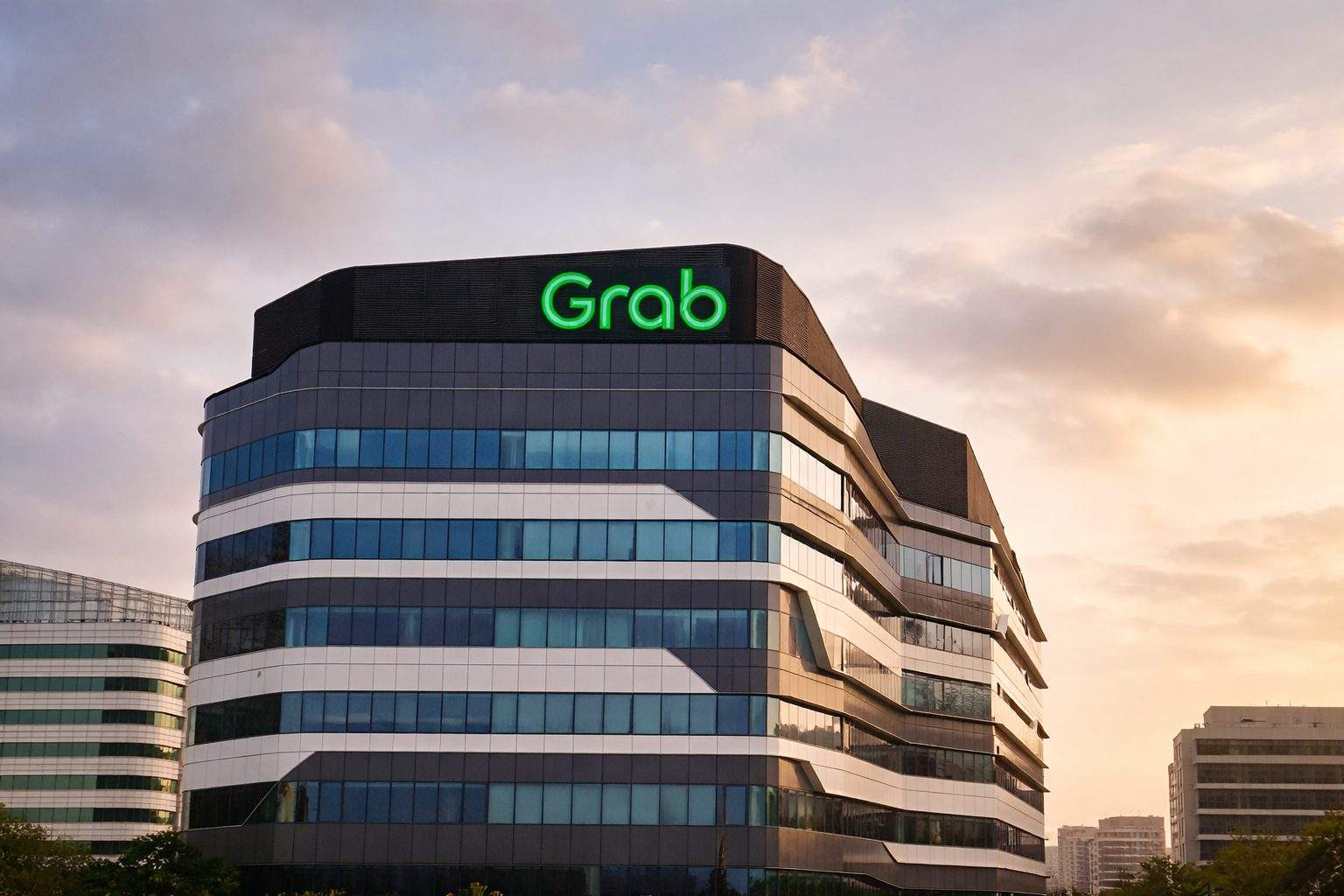
On Sunday, Grab Holdings pushed back against renewed worries in Taiwan that Uber might retain sway over the local food-delivery sector via its stake in the Singapore-based firm. The response comes as regulators and analysts in the country examine Grab’s planned $600 million acquisition of Foodpanda Taiwan.
This is significant given that Uber Eats and Foodpanda already dominate Taiwan’s food delivery sector. In 2024, the Fair Trade Commission shot down Uber’s attempt to acquire Foodpanda, citing that the merged group would grab around 90% market share. Now, Grab’s move becomes its first shot abroad at seeing if its expansion strategy can make it through regulatory challenges beyond Southeast Asia.
Uber holds around 13.1% of Grab, making it the company’s biggest institutional investor — and that’s where skepticism surfaced. Grab insisted Uber’s voting rights are kept below 4%, Didi’s at 1.4%. Uber, Grab said, has no operational role. Directors named by Uber have stepped back from Taiwan-related decision making. Acting FTC chair Andy C.M. Chen pointed to a focus on “actual control” and investigating potential market abuses in the upcoming review. Focus Taiwan – CNA English News
Grab disclosed the deal on March 23, putting the expected close in the back half of 2026, with a target to shift users, merchants and drivers to the Grab platform by early 2027. Foodpanda Taiwan processed around $1.8 billion in orders during 2025 and turned a profit before factoring in Delivery Hero’s group-wide cost allocations, the companies said.
Anthony Tan, the chief executive, described the decision as “a natural next step,” arguing that Grab’s track record managing delivery networks across crowded Southeast Asian cities should translate well to Taiwan. Just last month, the company told Reuters it’s targeting annual revenue growth above 20% for each of the next three years, and it’s shooting for EBITDA—operating profit—to hit $1.5 billion by 2028. Grab
Grab stands out for its super app approach, according to Taiwan Mobile President Jamie Lin. The idea: one platform wrapping delivery, ride-hailing, and digital payments together. Lin says if that model catches on in Taiwan, the fight won’t just be about who’s faster or cheaper—it’ll be about who can build a bigger ecosystem, drive user engagement, and harness data.
Taiwan poses challenges for newcomers. Analyst Lee Shi-chen points to the island’s limited size, its crowded restaurant landscape, and a law passed in January boosting delivery worker protections—all factors that could drive up costs and leave scant opportunity for a new player to grab market share on the cheap.
Lee pointed out another headache: Grab might need to pour significant cash into incentives just to attract merchants and customers, even before tackling rides or payment upgrades. If migration glitches hit—like shaky ordering, poor service, or lagging dispute resolution—Uber Eats could easily step in.
Delivery Hero is making a wider move to streamline, with Taiwan marking the start. Chief executive Niklas Oestberg described the sale as “a key first step” in the ongoing strategic review. The company plans to put the proceeds toward shoring up its capital structure and paying down debt. Reuters
Grab is signaling to investors it’s willing to both deploy capital and deliver returns. Just last week, the company announced plans to buy back as much as $400 million in shares over the next four months. Its books showed $7.4 billion in gross cash liquidity and $5.4 billion in net cash projected for the end of 2025. Now, that cash is pointed at a market where authorities have already proven ready to block deals on antitrust concerns.
Related articles: NASDAQ:GRAB