SHANGHAI, March 31, 2026, 17:21 CST
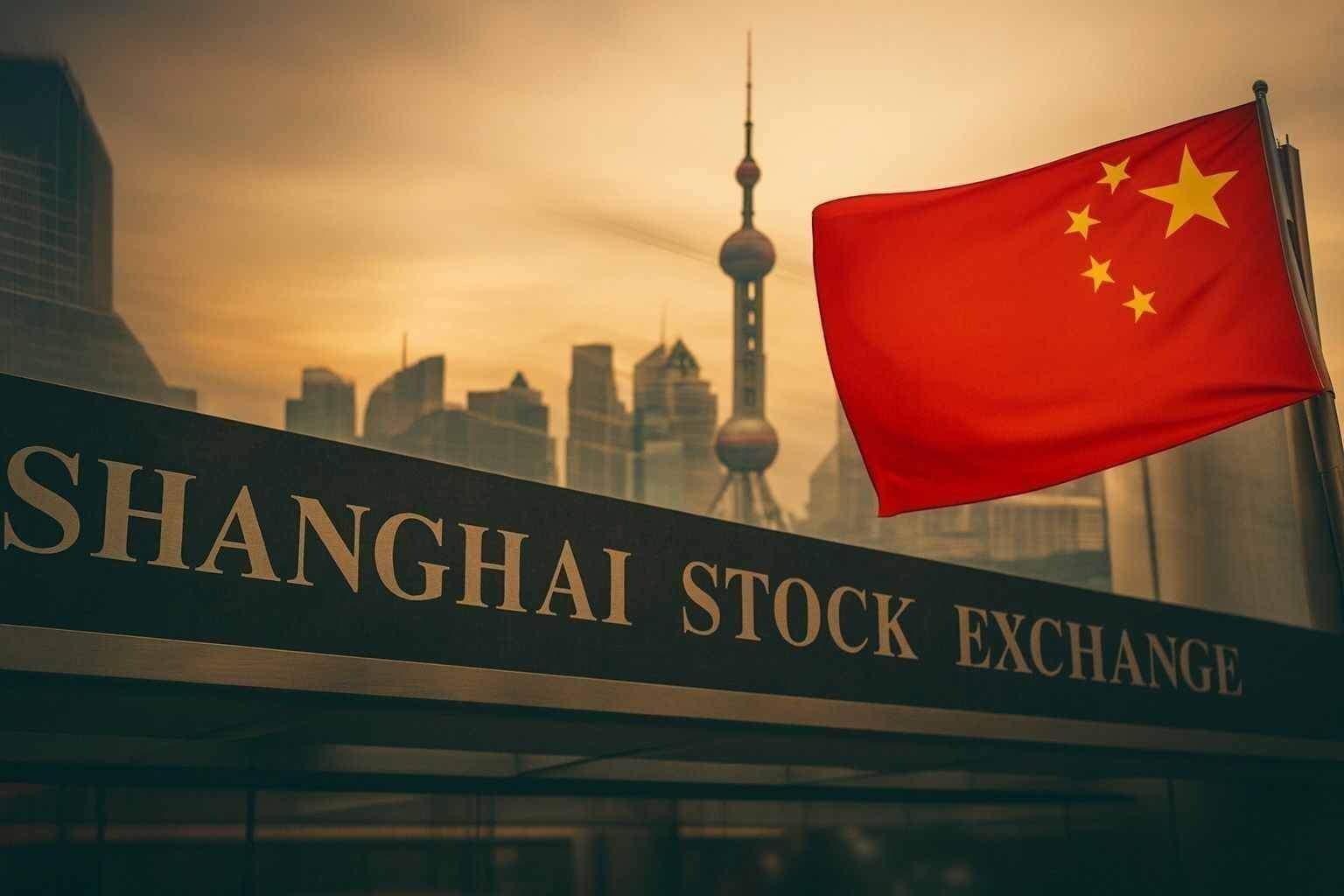
Shanghai’s main stocks slipped Tuesday. The Shanghai Composite dropped 31.43 points—off 0.8% at 3,891.86—to notch its sharpest monthly decline since January 2022. The CSI 300 index, covering major Shanghai and Shenzhen listings, retreated 0.93% to 4,450.05. Hong Kong’s Hang Seng inched up 0.15%. Coal and semiconductor shares were hit hardest on the mainland, falling 3.8% and 3.7%.
That was notable: a solid domestic print, but markets weren’t biting—oil and war headlines drove the action instead. China’s official manufacturing PMI, which polls factories every month, came in at 50.4 for March, up from 49.0 in February. That’s back in expansion territory and ahead of the 50.1 figure seen in the Reuters poll. Still, Pinpoint Asset Management’s Zhiwei Zhang called the Q2 picture “unclear,” and Dan Wang at Eurasia Group flagged possible risks for exports and PMI numbers down the line. Reuters
Mainland stocks have fared better than some neighbors in March, even factoring in Tuesday’s drop. The Nikkei has shed almost 13% and South Korea’s KOSPI is down around 19%—marking its weakest month since 2008. That’s provided ammunition for banks like J.P. Morgan, HSBC, BNP, and Goldman Sachs, who argue China’s markets are holding up thanks to less reliance on Gulf energy and a mostly domestic investor base.
Regional markets closed out with mixed numbers. Japan’s Nikkei dropped 1.58% to land at 51,063.72, LSEG figures showed. Over in Hong Kong, the Hang Seng managed a 0.15% gain, closing at 24,788.14. Brent crude stuck close to $112 a barrel, leaving inflation and growth jitters lingering.
The pullback on Tuesday snapped a fleeting bounce. Shanghai finished Monday up 0.24%, recovering from an earlier slide of nearly 1%. On Friday, the index gained 0.63% after stronger industrial profit numbers gave sentiment a lift.
The risk is clear enough: persistently high energy prices and a prolonged war could spell out a sharper drop in equities, as both earnings and valuations come under strain. Seema Shah at Principal Asset Management put it bluntly—investors can’t seem to “look through the noise” right now. Zurich Insurance’s Guy Miller flagged the current shock as particularly dangerous for profits and margins, calling it a tougher blow than previous geopolitical surprises. Reuters
At 16:29 Tuesday, the exchange showed 2,310 companies and 2,348 securities on its rolls. Trading volume on the Shanghai Stock Exchange hit 966.71 billion yuan, according to its website.
Oil, not the data, is moving front and center as April kicks off. If the disruptions continue, Reuters analysts warn prices could shoot up to $190 a barrel—a spike that threatens to hit Chinese factories, drag on exports, and weigh on equities.