
NEW YORK, April 2, 2026, 1:02 PM EDT
The Dow Jones Industrial Average trimmed earlier losses, down 154 points, or 0.3%, by midday after tumbling more sharply at the start. The S&P 500 dipped 0.2%. The Nasdaq Composite lost 0.3%. U.S. crude flirted with $114 a barrel, unsettling investors again after a short streak of relief buying.
The turnaround stood out, with traders having just spent two days wagering that the Middle East conflict would de-escalate. But that view unraveled after President Donald Trump indicated Wednesday night that U.S. attacks on Iran are set to ramp up for another two to three weeks. Brent crude hit $106.43 a barrel, U.S. crude reached $108.56, reigniting worries that pricier energy could stoke inflation and further entrench interest rate expectations. “The only thing that really matters is whether the Strait of Hormuz will open soon,” TD Securities strategist Prashant Newnaha said. Reuters
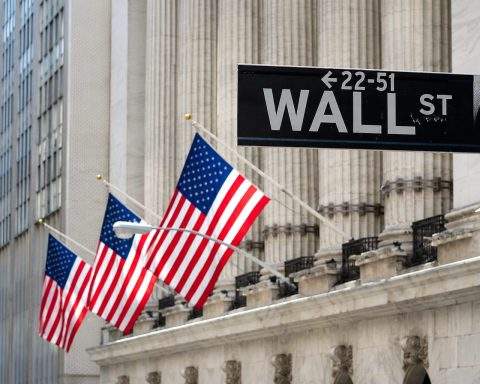
The timing stung for another reason. With markets about to shut down for the long Easter holiday, investors are left holding the bag on both economic and geopolitical risk. The March U.S. jobs report lands on Friday, but Wall Street will be closed for Good Friday, forcing traders to wait out the break.
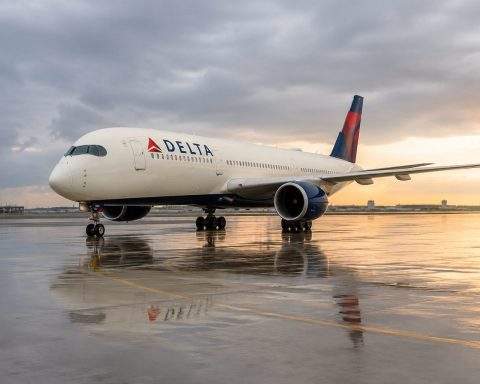
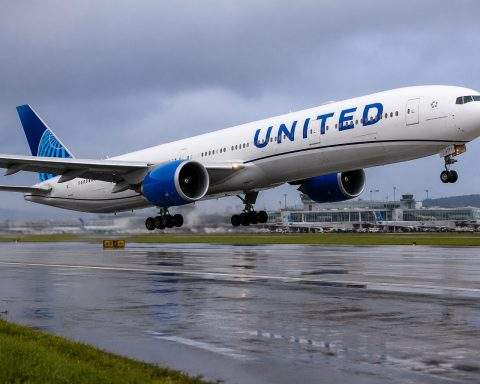
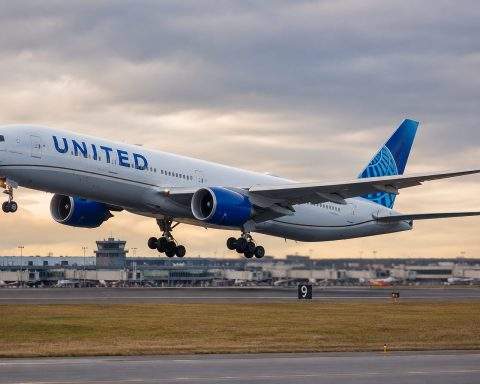
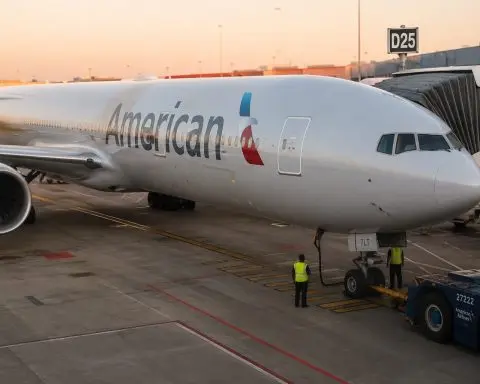
Stocks rebounded in part after Iran announced it’s working with Oman on a shipping protocol for Strait of Hormuz traffic, while Britain reported that roughly 40 nations were weighing collective steps to reopen the passage. Airline shares—United, Delta, and American—dropped between 1% and 3% as climbing fuel costs spooked investors. The S&P 500 energy index, by contrast, ticked up 0.4%. “It looks like the UK may be leading an effort to open the Strait of Hormuz,” Kim Forrest, chief investment officer at Bokeh Capital Partners, said to Reuters. Reuters
Thursday saw markets pause after a strong Wednesday session. The Dow climbed 0.48% to 46,565.74, the S&P 500 rose 0.72%, and the Nasdaq jumped 1.16% as traders bet the conflict might end soon. Oil’s slide fueled the uptick, pushing Wall Street’s fear gauge to its lowest in over a week.
New figures out of the U.S. showed weekly jobless claims dipping by 9,000 to 202,000, but nerves stayed unsettled. Layoffs are still subdued. Still, Oxford Economics’ Nancy Vanden Houten expects the conflict to take a toll—slower job growth and a higher unemployment rate are likely this year, though the impact on the labor market could take a while to be felt.
Stagflation worries are coming back into focus—think sluggish expansion, prices running hot—if oil stays elevated and shipping bottlenecks at the Strait persist. “The key question in all investors’ minds is ‘when is this going to be over?’” said Russel Chesler, who oversees investments and capital markets at Vaneck in Sydney. Chesler noted markets are sliding into a low-growth, high-inflation dynamic. Reuters
The Dow’s latest drop marks a quick reversal after its February highs. The blue-chip index, made up of 30 major U.S. firms and weighted by share price—so pricier stocks move the needle more—topped 50,000 for the first time on Feb. 6 as investors looked beyond the tech leaders. “The Dow is kind of the people’s index,” Horizon Investment Services CEO Chuck Carlson said at the time. Reuters
Related articles: NASDAQ:UAL