
LONDON, April 3, 2026, 12:10 (UTC+01:00).
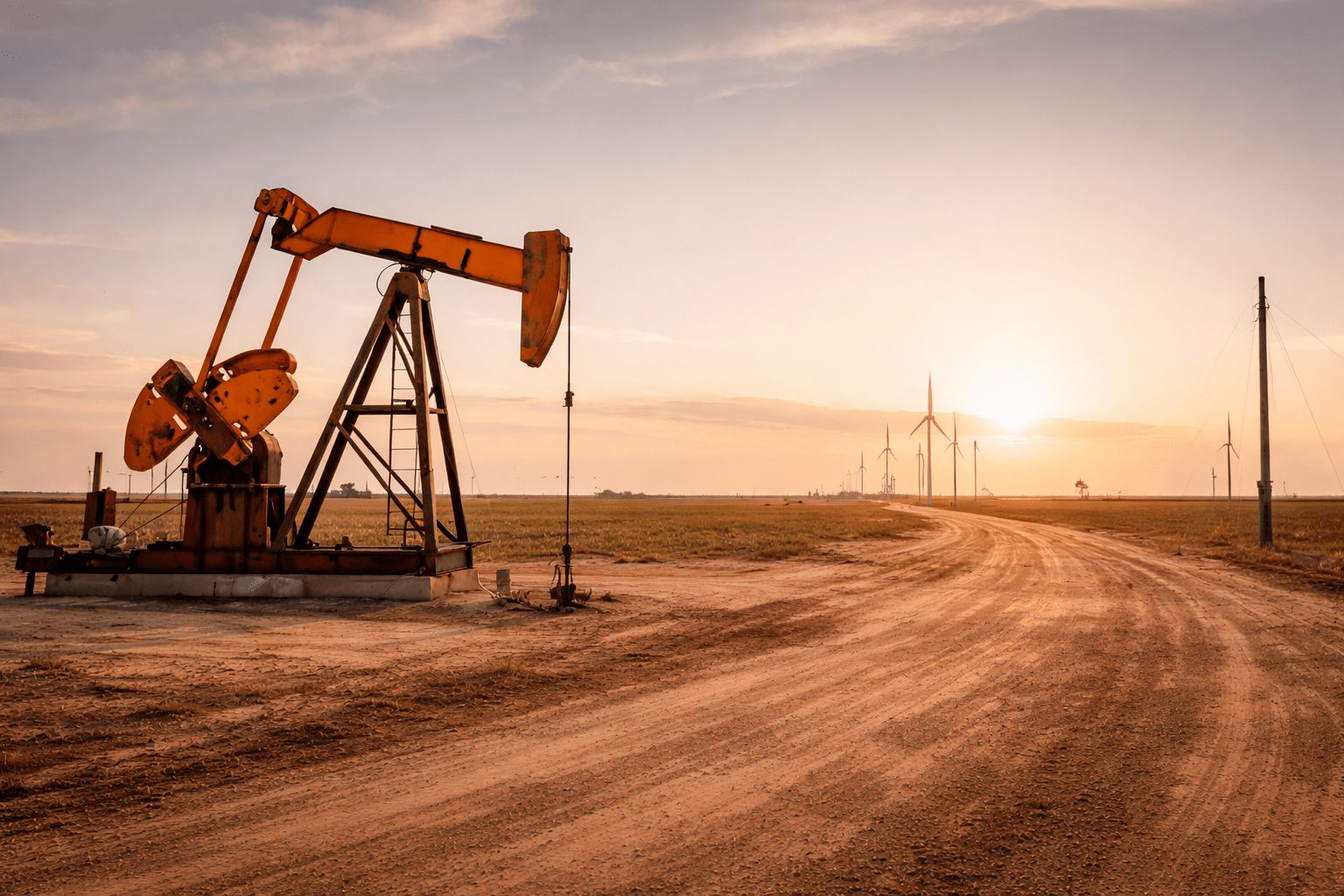
The loudest warning signal for oil is now flashing in the physical market. Dated Brent, which sets the price for North Sea shipments, surged to $141.37 a barrel on Thursday—levels not seen since 2008. Oil markets will remain closed Friday for Good Friday.
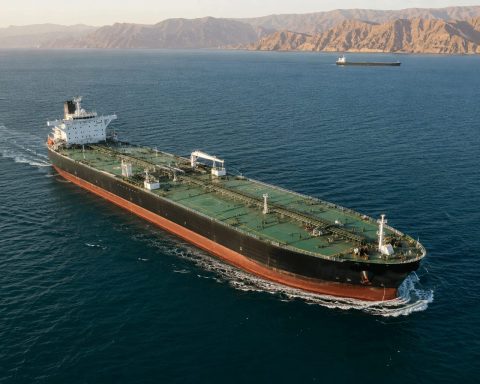
The lack of immediate solutions for the Strait of Hormuz remains a sticking point. Roughly a fifth of the world’s oil trade moves through this Gulf corridor, and shippers are still left in limbo. On Thursday, around 40 countries joined a British-led call, but nothing concrete emerged on reopening the route for safe passage.
Futures had an ugly session. Brent jumped 7.78% to finish at $109.03, while U.S. West Texas Intermediate surged 11.41% to $111.54. President Donald Trump’s vow for tougher action against Iran left traders guessing on when the conflict might end or when the route could reopen.
Things looked even uglier in the U.S. market. May WTI’s premium over June blew out to a record $16.70, deepening backwardation—where prompt barrels command more than those months out—highlighting just how tight supply is right now. Patterson-UTI CEO Andy Hendricks noted some U.S. drillers could ramp up activity later this year, but only if those higher forward prices stick around.
Earlier, sentiment pointed in the opposite direction ahead of Trump’s address Wednesday night. Investors, according to RSM chief economist Joe Brusuelas, had been hoping for a “near-term end to hostilities.” That expectation was upended. The Washington Post
Pain at the pump may be just getting started. Patrick De Haan expects the national average for gasoline—now sitting above $4 per gallon—to jump to $4.25 to $4.45 as soon as next week, and warns that without a clear plan to get Hormuz flowing again, $5 gas could be on the table within a month. As for diesel, tied closely to freight expenses, De Haan sees a shot at surpassing the 2022 peak in as little as two weeks.
Europe faces an extended crunch. EU Energy Commissioner Dan Jorgensen flagged that the bloc is considering steps like fuel rationing and tapping additional emergency reserves, cautioning that energy prices look set to stay elevated “for a very long time.” Reuters
Countries that rely heavily on imports are starting to offload the cost. In Pakistan, diesel jumped 54.9% and petrol climbed 42.7% on Thursday—marking the second hike in under a month. Ministers there said wide-ranging fuel subsidies had simply become too costly.
Oil prices rarely surge in a tidy pattern. J.P. Morgan’s core scenario projects talks will eventually resume and the strait will reopen, but not before some pressure from limited supply and shrinking inventories. Still, the bank flagged a possible jump to $120-$130 per barrel soon, shooting past $150 if disruptions stretch into mid-May.
The typical spread between benchmarks has turned upside down. WTI settled ahead of Brent—something not seen since May 2022. Analysts pointed to the comparative ease of getting U.S. barrels beyond the conflict area as driving the reversal.
Related articles: Stock Market