
NEW YORK, April 6, 2026, 4:06 PM EDT
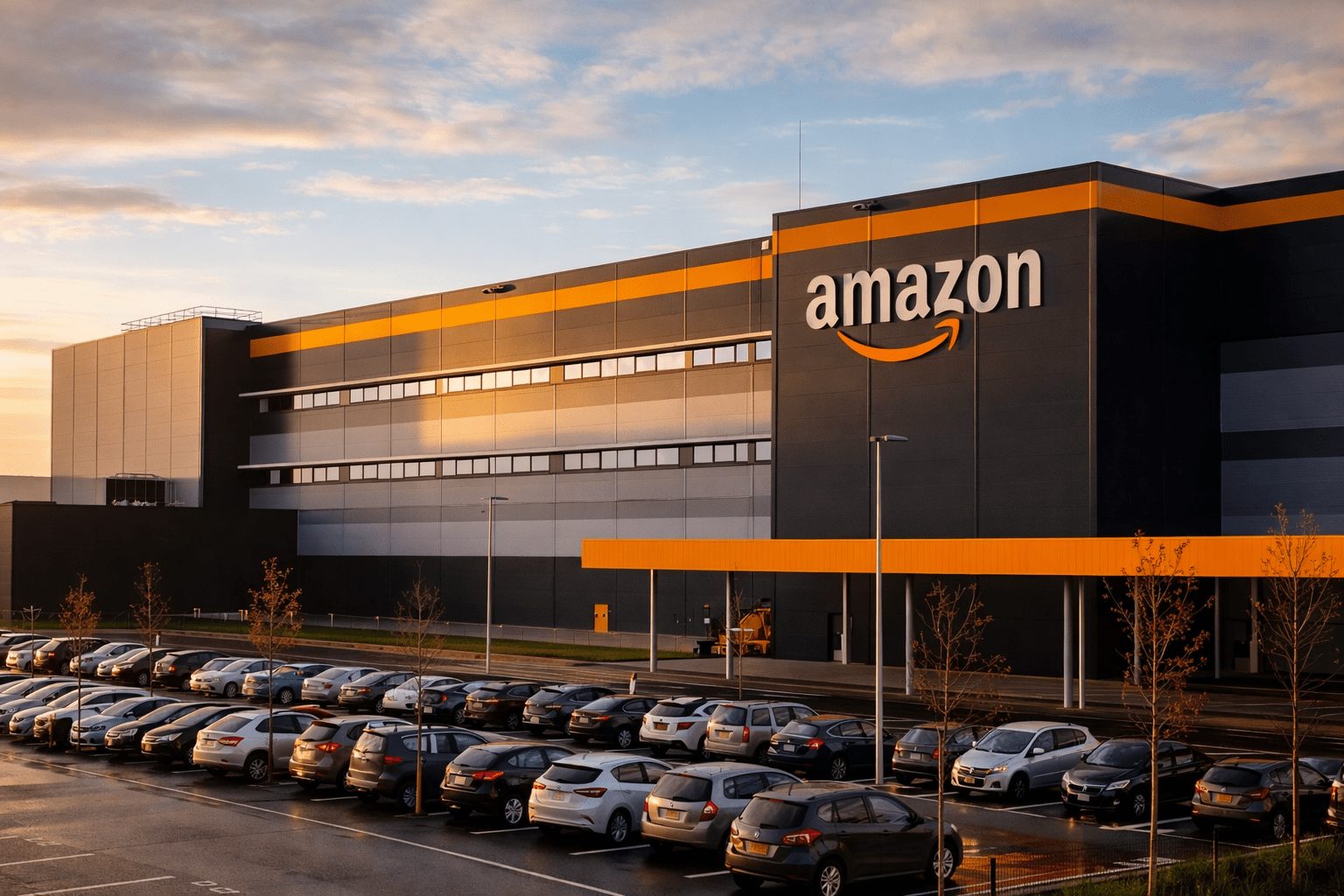
Starting April 17, Amazon is slapping a 3.5% fuel and logistics surcharge onto fulfillment fees for a broad swath of third-party sellers, a move that passes more of those climbing energy costs down the line as Brent crude hovered near $110 a barrel at Monday’s close.
Now, the timing hits: sellers using Fulfillment by Amazon, or FBA—the company’s warehousing and shipping arm—are facing this right as U.S. businesses notch the steepest input price spike in over 13 years. That piles on the chance that a new oil shock could turn up all at once in online prices, freight costs, and margins.
Amazon’s latest heads-up to sellers: the new fee hits FBA operations in both the U.S. and Canada, plus Remote Fulfillment with FBA for shipments from the U.S. into Canada, Mexico, and Brazil. As of May 2, Buy with Prime and Multi-Channel Fulfillment—tools for merchants tapping Amazon’s logistics for non-Amazon orders—are included too.
Amazon’s fee isn’t based on what something sells for, but rather on fulfillment costs. On average, for U.S. FBA, it comes to roughly 17 cents per unit, the company said. Speaking to the Associated Press, Amazon noted it’s been covering surging fuel and logistics costs up to now, but described the new surcharge as “meaningfully” smaller than fees charged by other big carriers. Amazon Seller Central
That shifts Amazon more into line with the rest of the parcel sector. USPS has asked regulators to approve a temporary 8% hike for Priority Mail Express, Priority Mail, Ground Advantage, and Parcel Select, running from April 26 through Jan. 17, 2027. Meanwhile, FedEx’s domestic package fuel surcharge sits at 26.5% for April 6-12, while UPS’s U.S. ground fuel surcharge is set at 27.0% for the week of April 6.
Oil’s still calling the shots. Brent wrapped up Monday at $109.77 a barrel, while U.S. crude finished at $112.40. The Strait of Hormuz? Largely shut, except for a handful of ships flagged by nations Iran deems friendly, now edging back through. “Very fluid,” said John Kilduff, partner at Again Capital. Reuters
Merchants and shoppers are already feeling the effects of that uncertainty. “Not surprised” is how Dima Leschinskii, a finance professor at Menlo College, described Amazon’s move to push some of the higher transport costs onto its customers. Andy Tsay, a supply-chain expert from Santa Clara University, put it bluntly—there’s “no escape” from rising shipping costs, which will end up squeezing household budgets too. ABC7 San Francisco
This could still reverse quickly. Should shipping pick up again through Hormuz and oil prices fall, relief might reach carriers and sellers. But if fuel costs don’t cool off, merchants are stuck—either swallowing an added 17 cents per unit on average, or pushing prices up for shoppers.
This isn’t the first time Amazon has tapped merchants to help offset rising costs. Back in 2022, the company slapped a 5% average fuel and inflation surcharge onto U.S. sellers using its fulfillment network—a move that underscored just how fast marketplace fees can climb when logistics expenses surge.
Related articles: NASDAQ:AMZN