
MUMBAI, April 9, 2026, 14:56 (IST).
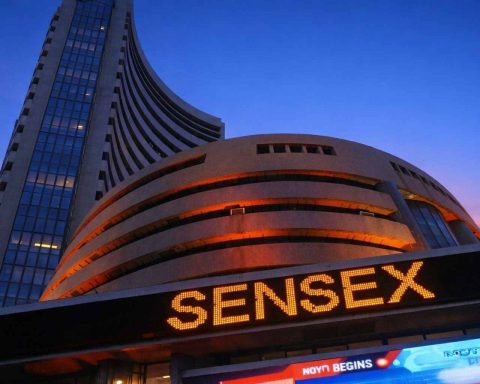
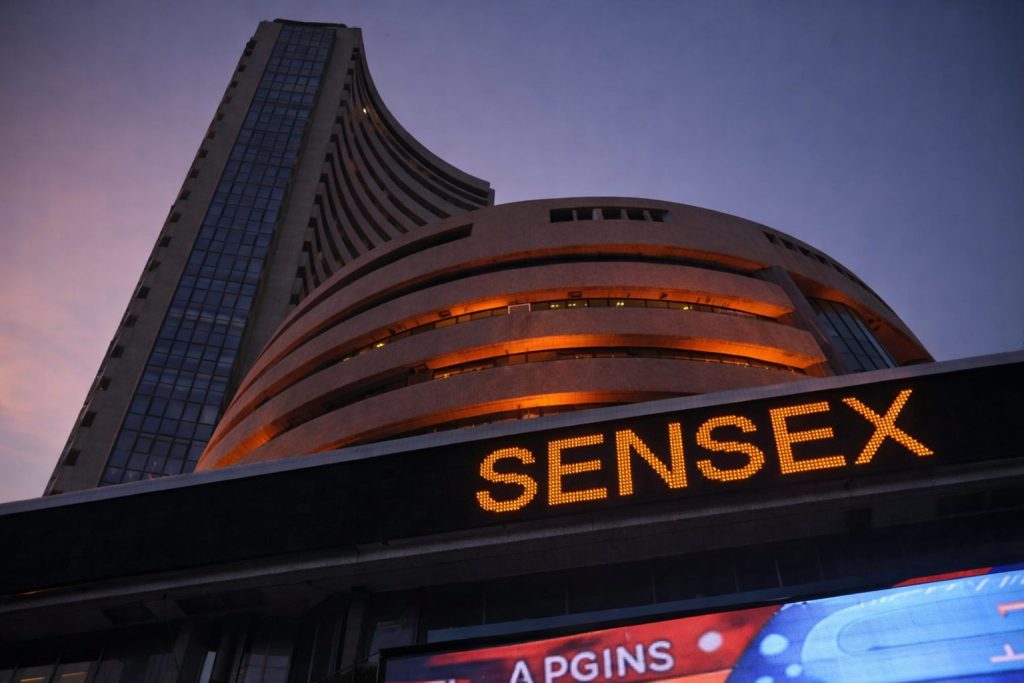
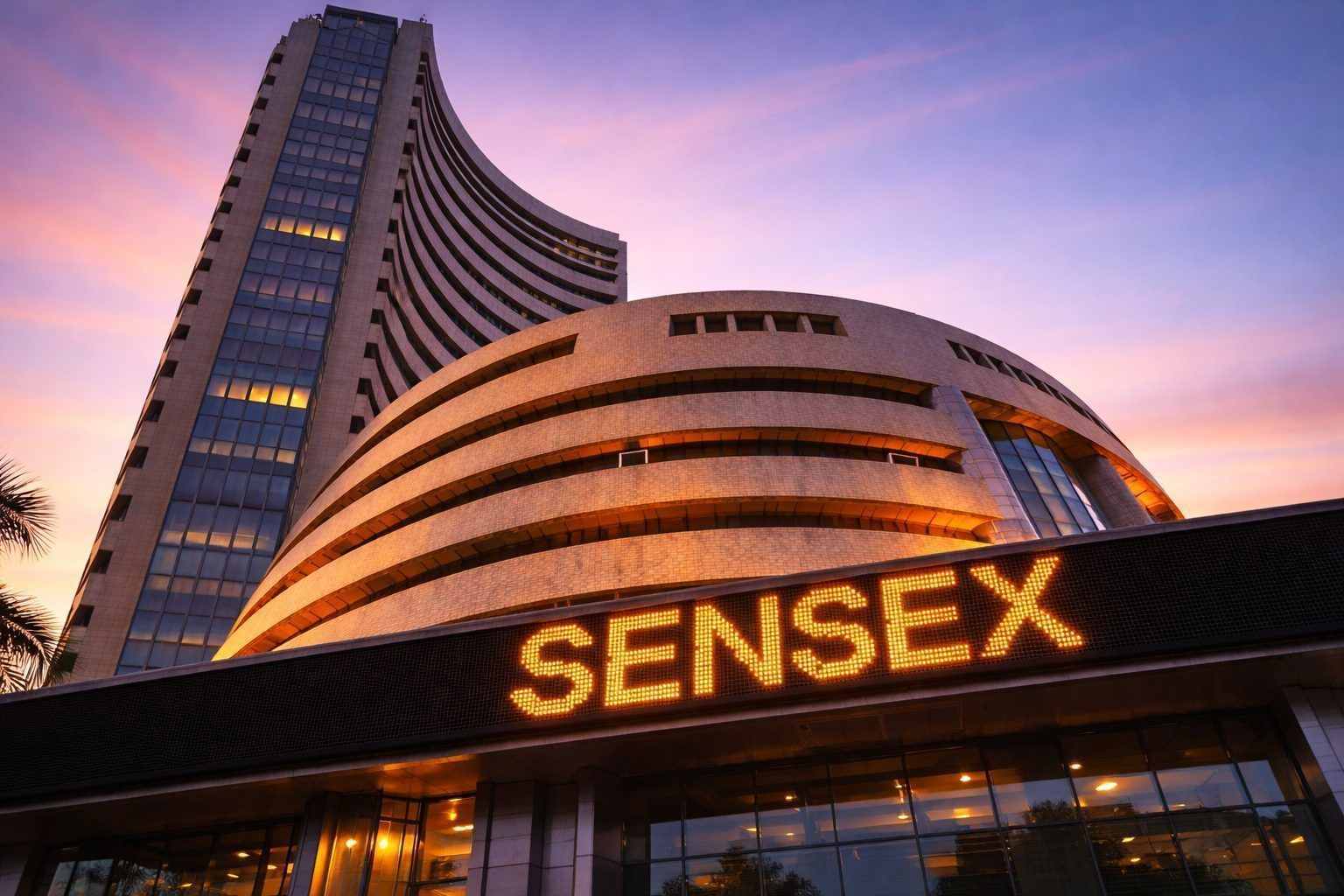
Late in Thursday’s session, Indian equities slipped, erasing a chunk of gains from the prior rally as oil prices moved higher and tensions resurfaced around the U.S.-Iran ceasefire. By 2:40 p.m. IST, the Sensex had dropped 1,171.65 points, or 1.51%, to 76,391.25. The Nifty 50, meanwhile, was down 269.10 points, or 1.12%, at 23,728.25 at 2:49 p.m. IST.
The drop stands out, given the scale of Wednesday’s surge: Nifty shot up 3.78%, Sensex 3.95%, fueled by a nearly 14% tumble in Brent and the Reserve Bank of India holding rates steady. On Thursday, though, that momentum faded. The market’s reaction suggests traders were positioning around the ceasefire, not betting on any lasting shift.
India’s heavy reliance on crude isn’t something you can brush aside. The World Bank flagged “significant risks” for India from the West Asia crisis on Thursday, pointing to the fiscal 2027 growth forecast of 6.6% and this year’s projected inflation at 4.9%. The country brings in roughly 90% of its oil, it said. Reuters
Financial stocks lost steam again after leading Wednesday’s rebound. By the afternoon, HDFC Bank slipped 2.27%, SBI dropped 1.78%, and ICICI Bank fell 2.05% — all ranking among the busiest Nifty stocks. Indexes tracking both private and state-run banks showed declines between 0.5% and 1%, according to market data.
IT stocks slipped before Tata Consultancy Services posts its numbers later Thursday, adding more pressure to a group already jittery about the impact of new AI tools on standard outsourcing. Kotak Institutional’s Kawaljeet Saluja and team flagged that “risks can be higher” for companies leaning more on application services. Broker reports offered little optimism for the quarter at TCS, Infosys and HCLTech; even the softer rupee isn’t expected to do much heavy lifting for earnings. Reuters
“Fresh uncertainty” about whether de-escalation would stick has kept optimism from gathering steam, according to Hariprasad K, founder of Livelong Wealth. India’s volatility index held at 20.7 in morning trade, despite a sharp drop the previous day. Systematix’s Dhananjay Sinha, a day before, had flagged that any recovery was still tied to “what happens next.” Reuters
The wave of selling hasn’t erased the value case for banks. BofA’s Amish Shah pointed to large private lenders as a “compelling buying opportunity,” highlighting what he called “extremely attractive” valuations. HDFC Bank is sitting at 1.8 times FY27 book, ICICI Bank at 2.3 times—metrics often used for banks. BofA maintained its overweight call on major private lenders, expecting them to outperform, while it stuck with an underweight rating on IT, signaling a more cautious view on tech. Reuters
Wednesday’s rally painted a cleaner picture than the policy reality. The rupee got a lift, climbing to 92.58 per dollar as oil prices tumbled. Still, the RBI sees growth at 6.9% by fiscal 2027 with inflation at 4.6%. Sujit Kumar at NaBFID called the central bank’s signals “effectively” an end to the rate-easing cycle. Reuters
The risks haven’t gone anywhere. Should Brent push past $100 again and shipping through the Strait of Hormuz remain constrained, Indian markets face the prospect of persistent inflation, sluggish growth, and less flexible financial conditions—all at once. On Thursday, Brent hovered near $97.28, still roughly 40% higher than before the conflict kicked off. Kathleen Brooks at XTB pointed out that traders are still eyeing tanker traffic through the region with concern.
Some buyers stepped in. Shares of Honasa Consumer, the company behind Mamaearth, climbed 4% following a solid quarterly update. Elsewhere, moves were less decisive—the broader market painted a mixed picture. Now, attention turns to the ceasefire’s fate and what TCS will report on demand later Thursday.
Related articles: NSE:HDFCBANK