
WASHINGTON, April 9, 2026, 08:08 EDT
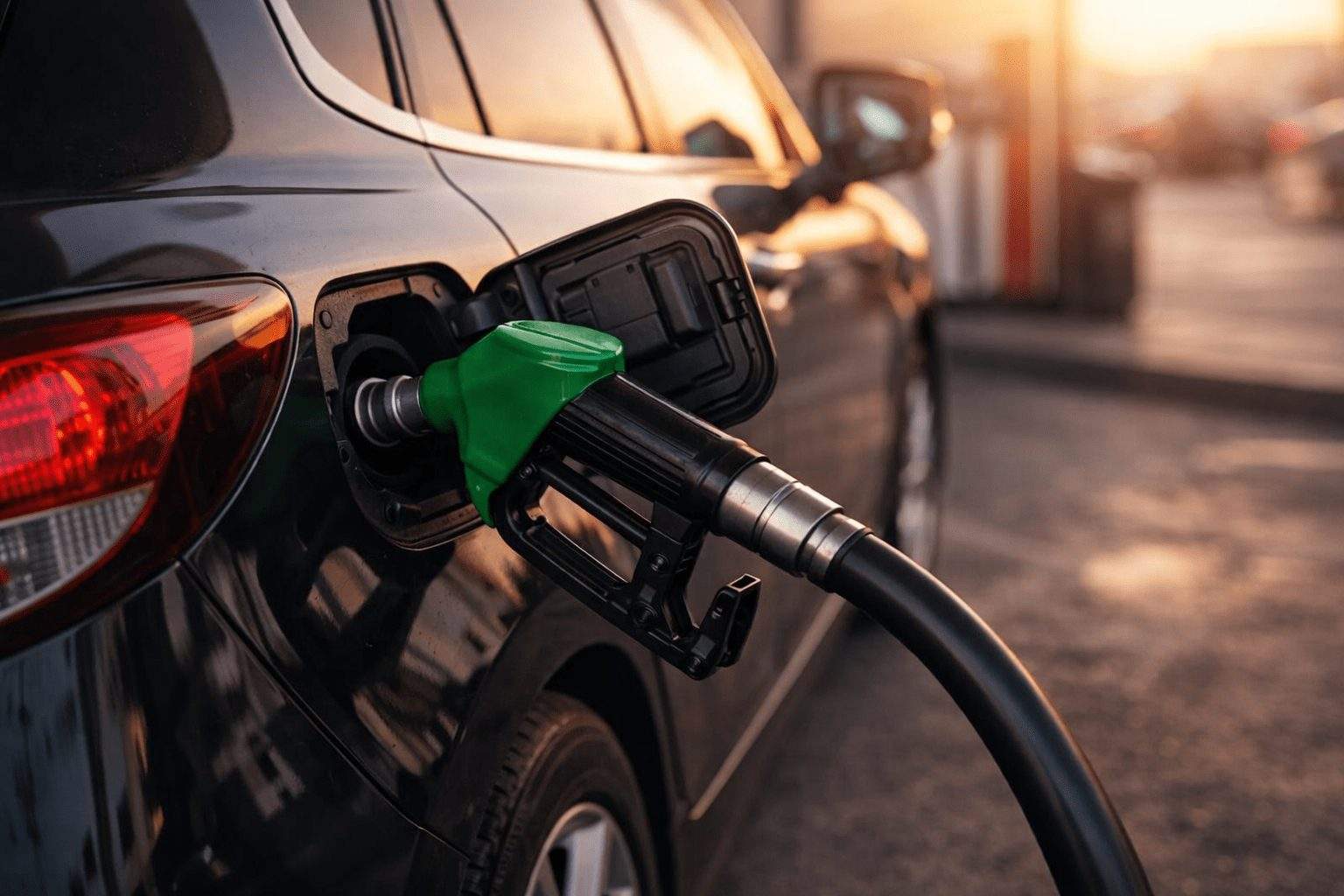
American motorists shouldn’t expect gas prices to drop soon, despite that two-week U.S.-Iran ceasefire sending oil tumbling earlier in the week. Brent crude bounced back, climbing about 3% on Thursday. Meanwhile, traffic through the Strait of Hormuz has barely budged, signaling that the main supply routes are still largely stalled.
The political stakes are as high as the economic ones. Republicans were banking on cheaper oil to relieve voter anxiety ahead of November’s midterms, but AAA pegged the national average for regular gas at $4.166 a gallon on April 9. After the ceasefire, plenty of GOP lawmakers applauded, yet few wanted to talk about the next move for fuel prices, according to E&E News by POLITICO.
The lag isn’t new. Retail gas typically trails behind wholesale and crude, since stations need to clear out pricier stock first—and nobody’s eager to slash prices if the supply picture still feels unstable. “Prices go up like a rocket, and they fall like a feather,” Shon Hiatt at USC Marshall told Reuters. Patrick De Haan, who heads petroleum analysis at GasBuddy, sees room for the national average to dip another 5 to 10 cents by next week, assuming nothing else changes. Reuters
Signals from the markets are anything but clear-cut. Futures took a beating right after the truce, yet physical barrels—those moving for immediate delivery—remain in short supply. North Sea Forties crude surged to a record $146.43 per barrel. “It could be months before we see the full supply chain restored,” said Sparta Commodities’ Neil Crosby. According to Energy Aspects, a two-week truce isn’t nearly enough for fields and refineries to get back online. Reuters
Hormuz is the main culprit. In the last 24 hours, just a single oil-products tanker and five dry bulk ships got through the strait, Reuters said, compared with the usual daily tally of about 140 before Feb. 28. Iranian officials have talked up a partial reopening—under Tehran’s supervision—and hinted at imposing transit fees, a move that would keep freight and insurance costs elevated, even if the shooting calms down.
That’s left a risk premium baked into prices—a markup buyers aren’t willing to ignore, with worries about fresh shocks still hanging over the market. The U.S. Energy Information Administration put out a forecast: even if Hormuz flows are restored, the process could drag on for months, and U.S. gasoline is seen averaging $4.30 in April. After the ceasefire, Goldman Sachs revised its Brent outlook for the second quarter down to $90 a barrel. Still, the firm flagged the potential for prices to hit an average of $115 in the final quarter if supply losses deepen.
Executives and industry groups aren’t expecting a fast rebound—what they’re seeing looks more like real, lasting fallout. ADNOC CEO Sultan Al Jaber didn’t mince words, saying passage through Hormuz is “subject to permission, conditions and political leverage.” His verdict: “That is not freedom of navigation. That is coercion.” Menelaos Ydreos, secretary general of the International Gas Union, labeled the situation “a supply chain crisis” that’s rattled faith in Gulf energy supply, not just oil. Reuters
Of course, there’s another scenario here. Should the ceasefire stick, tankers could get moving again and damaged facilities might come back online—potentially pushing pump prices down in the next several days or weeks. But that’s a big “if.” Israeli strikes in Lebanon haven’t stopped, keeping the talks on shaky ground, and Goldman is still calling risk to the upside for oil. Reuters
Economic pressures are still mounting. On Wednesday, the IMF, World Bank, and World Food Programme flagged rising oil, gas, and fertilizer costs, warning that the knock-on effect will be higher food prices and greater insecurity. The European Commission, meanwhile, declared that the energy squeeze tied to the Iran conflict “will not be short-lived.” That goes a long way to explaining why Republicans haven’t cheered the ceasefire on fuel prices: a dip in crude doesn’t necessarily mean gasoline’s getting cheaper. Reuters
Related articles: NYSE:CVX