SYDNEY, April 10, 2026, 20:22 AEST
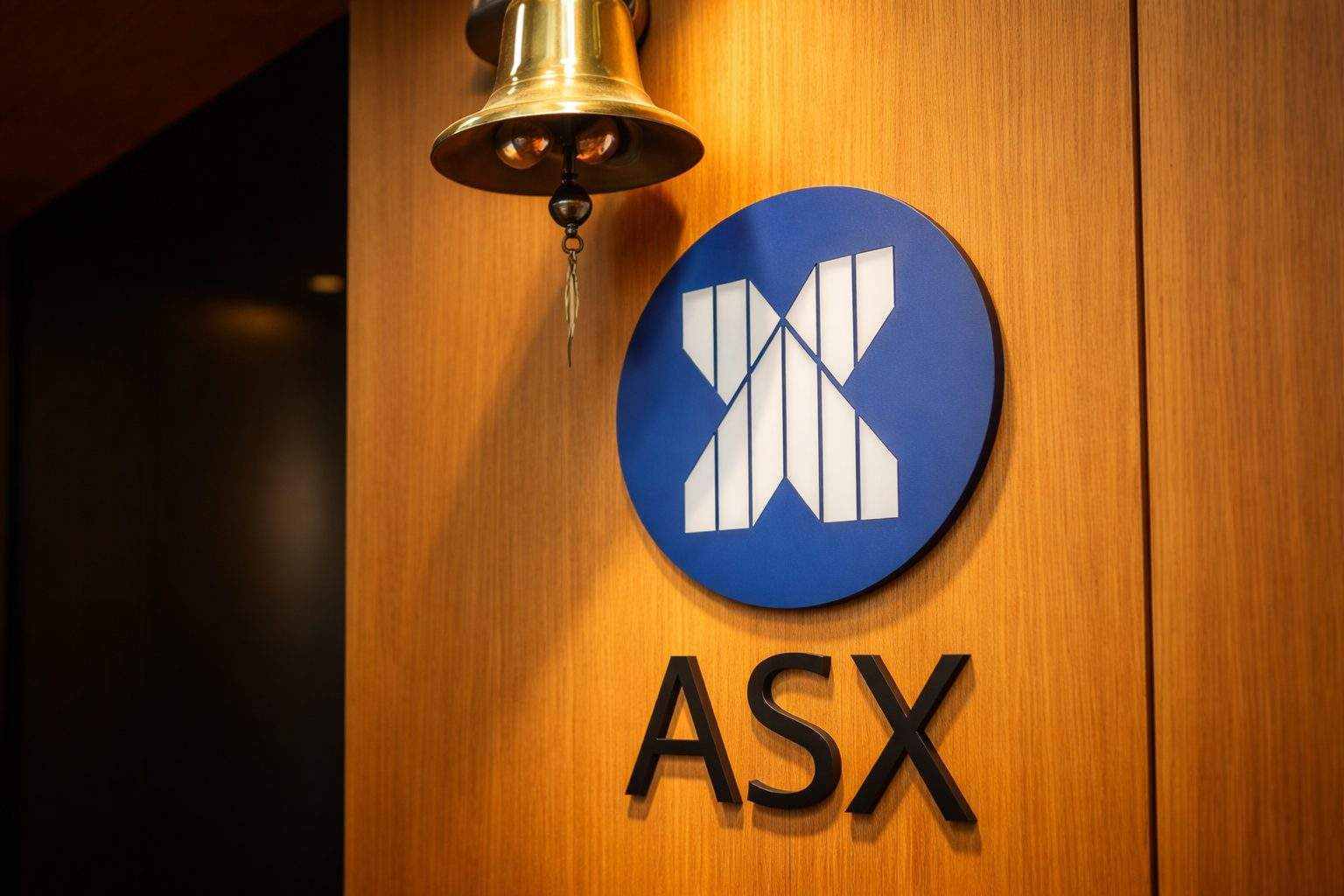
Australian shares finished in the red on Friday, but the benchmark still managed its best weekly showing since late 2022. A possible U.S.-Iran truce helped the week’s relief rally hold. The S&P/ASX 200 gave up 12.6 points, or 0.14%, to close at 8,960.6. BHP dropped 1.1%, Fortescue lost 1.3%, and Santos slipped 0.6%.
Australia’s exposure to the six-week Middle East war has been pronounced, given the Strait of Hormuz—a tight Gulf corridor accounting for nearly a fifth of global oil trade—has kept both supply jitters and inflation risks front and center. The ASX 200 still managed to close the week higher by about 4.4%, despite Friday’s dip. With U.S.-Iran talks set for the weekend in Islamabad, the ceasefire remains far from secure.
Thursday’s numbers told the story: the index edged up 0.2%, marking a five-week high. Still, trading volumes lagged behind the 30-day average. According to Luke Winchester, portfolio manager at Merewether Capital, investor enthusiasm had “certainly been tempered”—ongoing fighting in Lebanon and infrastructure hits near the Strait of Hormuz gave plenty of people reason to stay cautious. indopremier.com
Friday’s action split the board. Real estate, utilities, and financials all ended higher—Commonwealth Bank tacked on 0.5%. Materials slid 0.67%, and tech names slumped 1.84%. Telix Pharmaceuticals rallied 7.3% after U.S. regulators signed off on its resubmitted brain cancer imaging application. AMP picked up 4.2% following a positive annual meeting.
Australia trailed the wider upswing in risk assets. Wall Street edged higher Thursday—oil’s rally cooled as Middle East peace talks resurfaced. Japan’s Nikkei tacked on 1.65% Friday, crude holding under $100 a barrel, with money shifting into stocks tied to earnings.
The pattern played out in currencies too—relief, but not real confidence. The Australian dollar hovered just over 70 U.S. cents, tracking toward a weekly gain close to 3%. Jason Wong, senior strategist at BNZ, put it simply: the “tail risk of a really bad outcome” seems to have eased, though the truce remains on uncertain ground. Reuters
Companies aren’t waiting around. Fortescue plans to accelerate its off-grid green power push across Pilbara mining sites. “How vulnerable our supply chains are”—that’s how Dino Otranto, CEO of metals and operations, put it, pointing to the conflict’s fallout. On a separate front, Australia and Singapore agreed to tighten energy cooperation. The backdrop: panic buying emptied some Aussie petrol stations. Reuters
The stakes are clear. Barclays analyst Amarpreet Singh flagged that any holdup in resuming shipping through Hormuz risks pushing oil prices above where they sit now. Over at the Asian Development Bank, Chief Economist Albert Park described the ceasefire as “fairly fragile,” adding that policymakers need to brace for more inflation and possible financial strains if the disruption persists. Reuters
Signs of unease are creeping into official projections. For the first time, Canberra has postponed its quarterly resources and energy outlook, blaming “extreme volatility” for rendering the latest figures outdated — a rare pause in a sector where banks and miners typically drive most of the action. Reuters