
WASHINGTON, April 16, 2026, 14:40 EDT
- NuScale jumped as high as $13.23 earlier before sliding back to around $11.52 by the afternoon.
- Energy Secretary Chris Wright expects federal loans to back the first five or ten planned U.S. reactors, saying it’s “almost certain.” Reuters
- NuScale is still the sole U.S. company cleared for a small modular reactor design. Securing actual orders—and getting financing locked in—continues to be the sticking point.
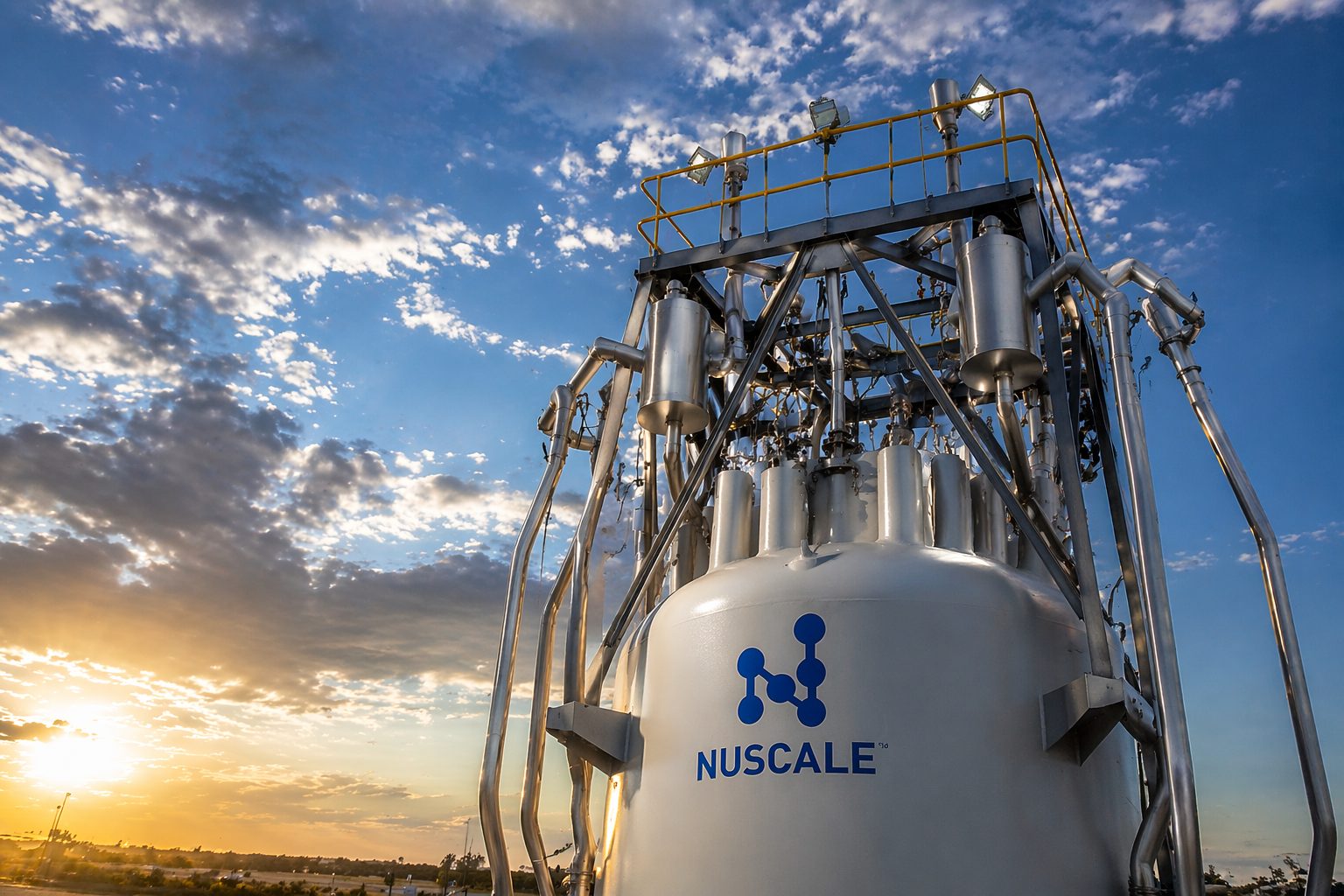
NuScale Power Corporation shares bounced around on Thursday as Washington signaled renewed backing for nuclear initiatives—first with a White House plan for space-based reactors, then with Energy Secretary Chris Wright suggesting initial U.S. reactor projects are poised for federal loans. The stock hit $13.23 at the open but slid to around $11.52, trading under its previous close.
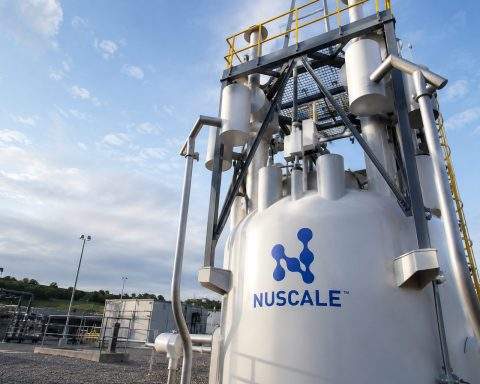
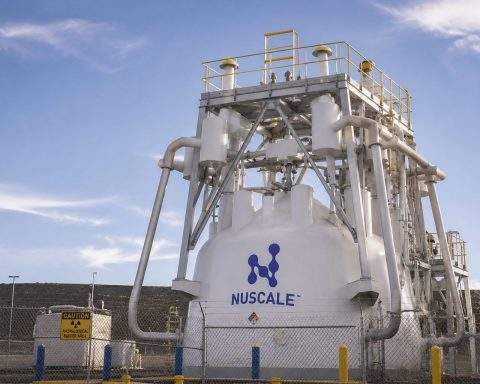
This is notable: NuScale holds a unique spot among U.S. peers. It’s the sole American firm with a green-lighted SMR blueprint. These small modular reactors—built in factories, designed for versatility and scale—promise less complexity than traditional nuclear sites. The familiar challenge remains: securing sufficient funding to actually bring a first unit online.
On Tuesday, a White House memo ordered NASA to kick off a space-reactor initiative within 30 days, while the Energy Department was given 60 days to determine if U.S. manufacturers can deliver up to four space reactors—fuel and long-lead components included—over the next five years. Wright, speaking to lawmakers Thursday, said the department’s lending arm, which holds close to $290 billion in available funds, is likely to support the first handful of new U.S. reactors—maybe five or ten.
NuScale has spent the last year working to translate its regulatory advantage into commercial deals. The Nuclear Regulatory Commission signed off on its bigger 77-megawatt reactor design in May 2025. “We now have an American technology that is near-term deployable,” Chief Executive John Hopkins told Reuters, adding that a speedy customer could have a plant running before the decade wraps up. Reuters
Another factor at play for NuScale: surging power needs from AI data centers. Last week, Reuters reported that Meta, Amazon and Google have each thrown support behind advanced nuclear startups like TerraPower, Oklo, X-Energy and Kairos. “Deals like these create the revenue certainty that commercial banks will require for the construction debt,” Shioly Dong, a senior analyst at BMI, told Reuters. Amazon-backed X-Energy also kicked off its U.S. IPO on Wednesday, seeking a valuation as high as $7.5 billion. Reuters
NuScale still hasn’t locked in actual deals, despite plenty of interest. Back in February, the company highlighted progress on its ENTRA1 partnership with the Tennessee Valley Authority, outlining a plan to roll out as much as 6 gigawatts across TVA’s seven-state territory. The company also wrapped up front-end engineering and design for Romania’s RoPower plant—a six-reactor site that, according to local officials, could come with a price tag between $6 billion and $7 billion.
NuScale executives have been stretching their message past straightforward electricity sales. Back in March, Chief Technology Officer José Reyes pointed to the potential for NuScale reactors to supply high-temperature process steam to petrochemical sites, calling it a way to “unlock significant commercial opportunities.” Chief Operating Officer Carl Fisher, meanwhile, described a deeper fuel agreement with Framatome as a move to keep manufacturing marks on schedule—targeting a first U.S. customer by 2030. NuScale Power
Still, policy backstops won’t solve the toughest challenges here. No advanced-reactor firm has launched U.S. commercial power yet, and banks want real answers when it comes to licensing, fuel logistics, construction timelines, and financing. NuScale’s experience shows how fast things can unravel—its debut U.S. SMR project got the axe in 2023 as costs jumped and partner towns backed away.
Thursday, the debate played out in the market. NuScale closed out 2025 holding $1.3 billion in cash, equivalents, and investments—plenty to fund its ongoing development plans. Still, the company maintains that long-term prospects rely on secured customer contracts, manufacturing readiness, and potentially raising additional capital.
Related articles: NYSE:SMR