
NEW YORK, April 21, 2026, 04:26 PM EDT
- Early momentum fizzled for U.S. stocks, leaving the S&P 500, Nasdaq, and Dow all roughly 0.6% in the red by the close.
- Brent crude jumped 3.1%, with jitters around U.S.-Iran negotiations feeding fresh energy risk into the market.
- UnitedHealth gave the Dow a lift with better-than-expected results, but news of a CEO change at Apple dragged on the megacaps.
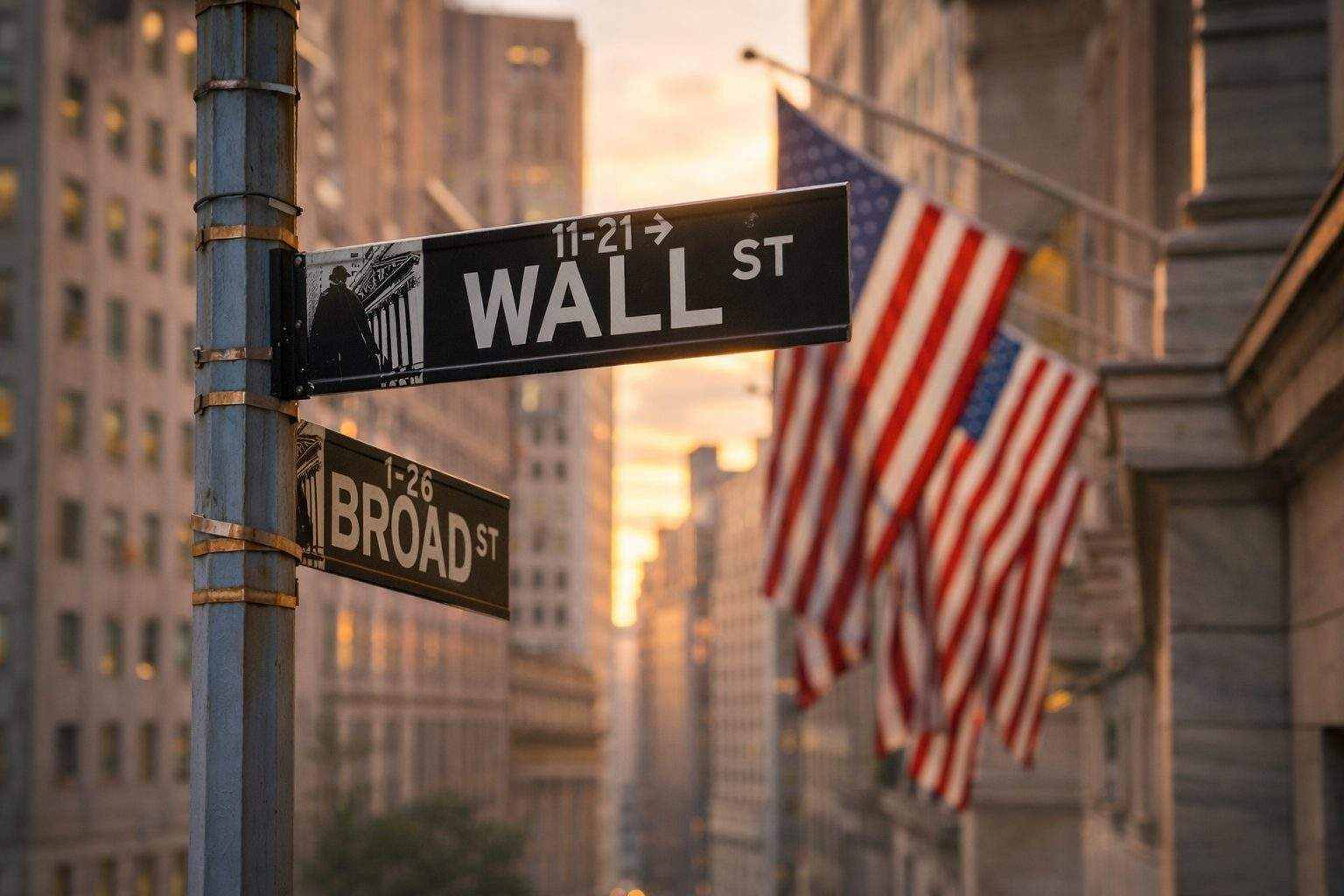
Wall Street slipped on Tuesday, erasing early gains as renewed worries over U.S.-Iran peace talks pushed oil prices higher and undercut the session’s earnings-driven momentum. The S&P 500 dropped roughly 0.63% to finish at 7,064, with the Nasdaq Composite off 0.59% at around 24,260. The Dow Jones Industrial Average declined about 293 points, or 0.59%, closing near 49,149, according to preliminary figures.
This shift matters because Wall Street had been steadying itself on two main hopes: a continued easing in the Middle East conflict, plus an early batch of first-quarter numbers that were looking less bad than many had braced for. By the closing bell, though, oil was the obvious play. Brent crude gained $3, up 3.1%, to finish at $98.48 a barrel. U.S. crude settled at $92.13. Saad Rahim, Trafigura’s chief economist, pointed out the market had already “lost a billion barrels” even in a scenario where the crisis gets resolved swiftly. Reuters
Stocks sold off more sharply once word spread that Vice President JD Vance’s planned visit to Pakistan was paused. Traders also noted that Iran hadn’t said yes to a second meeting with Washington. For Thomas Martin at GLOBALT Investments, there’s no sugarcoating it: the “wild card is indeed what happens with Iran.” Reuters
Bears didn’t get much clear ammunition from the latest economic numbers. U.S. retail and food services sales climbed 1.7% in March, reaching $752.1 billion, according to the Census Bureau. Those numbers, though, aren’t inflation-adjusted—so pricier gas can inflate the total even if actual sales volumes barely budge.
Rising rates piled on pressure. The 10-year Treasury yield climbed as investors reacted to upbeat retail sales data and kept close tabs on Kevin Warsh’s confirmation hearing for the Federal Reserve’s top job. Mark Hackett of Nationwide Investment Management Group described the session as “softening and rates rising,” pointing to renewed uncertainty around the Fed’s balance sheet and policy trajectory. Reuters
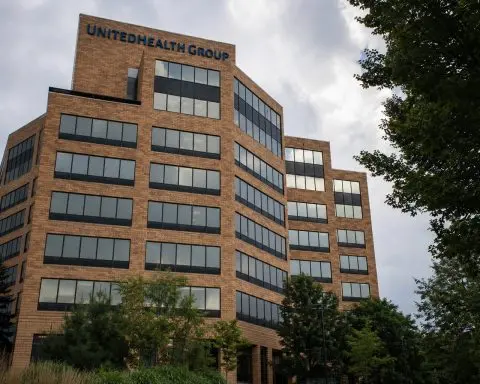
Some relief came from earnings. UnitedHealth jumped roughly 7% after the insurer topped Wall Street’s estimates for both earnings and revenue and bumped up its full-year profit guidance. “Margins are improving,” said Brian Mulberry, chief market strategist at Zacks Investment Management. Oppenheimer’s Michael Wiederhorn said the latest numbers should “support the group.” Reuters
AI continued to drive bullish sentiment. Amazon announced plans to pour as much as $25 billion into Anthropic, locking in a commitment from the startup to spend upwards of $100 billion on Amazon’s cloud over the next decade. Amazon shares saw gains in late trading on the news.
J.P. Morgan bumped its S&P 500 year-end target up to 7,600, pointing to AI and tech-fueled earnings growth. Still, the firm flagged a potential “short-term consolidation phase,” noting that geopolitical uncertainty hasn’t gone away. Reuters
Apple lagged behind other megacaps after announcing that hardware chief John Ternus will take over from Tim Cook as CEO on Sept. 1. But succession isn’t the only issue in play. The bigger test: Apple is under pressure to prove it can make up ground in AI—Nvidia is still out in front by market cap, Google’s Gemini is now powering Siri, and Meta is moving forward on its hardware ambitions. Bob O’Donnell at TECHnalysis Research called Ternus’ main hurdle “building a better AI story.” Reuters
The risk is straightforward. Should the ceasefire effort collapse, crude pushing toward $100 would squeeze transport costs, margins, and household budgets all over again. But a return to talks might see some of Tuesday’s defensive trades reverse in a hurry. So a session that opened on earnings closed with attention shifting back to diplomacy, oil prices, and the Fed.
Related articles: NYSE:UNH

![Asia Stock Market Today 28/08/2026 [UPDATE: 00:51 SGT] [Salesforce Leads KASE Global Into Final Minutes After Asia’s Split Close]](https://ts2.tech/wp-content/uploads/2026/08/Asia-market-dashboard-2026-08-28-0051-480x384.jpg "Asia Stock Market Today 28/08/2026 [UPDATE: 00:51 SGT] [Salesforce Leads KASE Global Into Final Minutes After Asia’s Split Close]")