
NEW YORK, April 23, 2026, 08:43 EDT
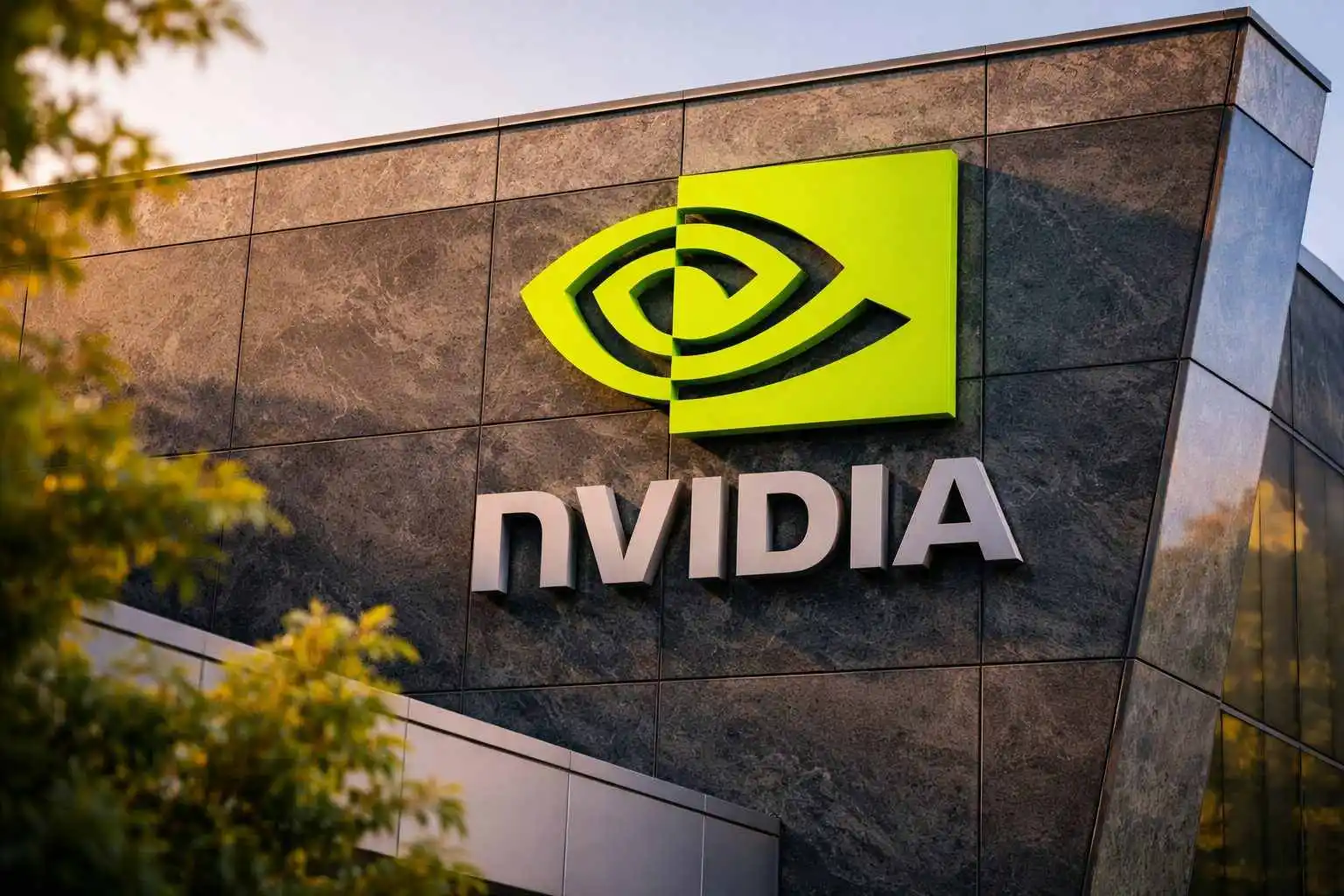
- Nvidia climbed roughly 1.3% to $202.50 in premarket trading after Google announced its TPU 8t and TPU 8i AI chips, developed internally, and confirmed it will carry Nvidia’s Vera Rubin NVL72, the latest AI server platform.
- Alphabet is sticking with its 2026 spending target of $175 billion to $185 billion, highlighting just how much cloud AI budgets still command—even as competitors roll out their own custom chips.
- The big question now is if increased reliance on internal chips, sluggish China demand, and pricier oil will reignite concerns about the speed of returns from the AI rollout.
Nvidia shares climbed roughly 1.3% in premarket trading Thursday, steadying above $200 despite Alphabet’s Google rolling out its latest line of in-house AI chips. The stock got a lift after Google announced plans to be one of the first cloud providers to offer Vera Rubin NVL72, Nvidia’s upcoming AI server platform.
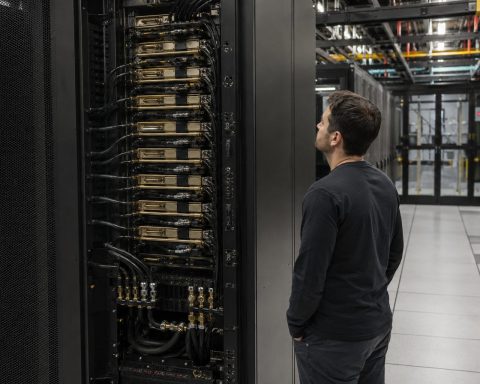
Nvidia shares now serve as a real-time barometer for whether major cloud players are still pouring money into AI hardware. Google’s latest update was a mixed bag. The company’s tensor processing units—TPUs—are more powerful, yet Google made it clear it’s sticking with Nvidia’s top-tier gear as AI work shifts from testing phases to full-scale deployment.
Speaking at Google’s annual cloud event in Las Vegas, CEO Sundar Pichai stuck with Alphabet’s plan to spend $175 billion to $185 billion in 2026, noting that a bit more than half of its machine-learning compute outlay will flow to the cloud unit. Google Cloud boss Thomas Kurian declared “the experimental phase is behind us,” highlighting the company’s drive to turn AI agents—software designed to handle planning and execution with less human oversight—into something that generates revenue, not just another tech demo. Reuters
Google says the TPU 8t targets large-model training, while the TPU 8i is designed for inference—when a trained system generates responses on the fly. “Both chips were built for the age of agents,” Mark Lohmeyer, vice president and general manager for compute and AI infrastructure at Google, told Reuters. The company claims TPU 8i brings an 80% upgrade in inference performance per dollar over its predecessor. Reuters
Nvidia keeps pulling in bullish signals. SK Hynix, a key supplier of high-bandwidth memory—crucial for AI chips and one of Nvidia’s main partners—reported blowout quarterly profit tied to AI demand and said its order book for the next three years “far exceeds our production capacity.” Customer requests keep coming. Reuters
The competitive landscape keeps widening. Earlier this month, Broadcom secured a long-term deal to work on and provide Google’s next wave of custom AI chips through 2031. Anthropic, for its part, runs its Claude models on a mix of platforms—AWS’ Trainium, Google TPUs, Nvidia GPUs. Nvidia remains a key player as the AI infrastructure expands, but it’s no longer running solo.
China remains an open question. On Wednesday, Commerce Secretary Howard Lutnick told a Senate panel that Nvidia’s H200 chips still haven’t reached Chinese buyers—despite getting the go-ahead from U.S. authorities back in January. The hang-up? Beijing hasn’t signed off. “We have not sold them chips as of yet,” Lutnick said. Reuters
It’s not hard to sketch out a bearish scenario. Custom chips could grab more of the inference market; China might not reopen; oil staying above $100 could stoke inflation jitters. That would put investors right back to an old worry from earlier this year: is the money flooding into AI outpacing the payback? Kyle Rodda, analyst at Capital.com, flagged AI overinvestment and “diminishing future returns” as a “forgotten theme.” Reuters
Nvidia isn’t flinching, at least not yet, even as the general sentiment weakens. Nasdaq 100 futures dipped 0.48% early Thursday, with caution lingering around the Strait of Hormuz standoff. Still, cash has started drifting back into U.S. equities—traders are sticking with the idea that AI investment and robust earnings might still buoy the big tech names. “The bigger risk may be staying on the sidelines too long,” said State Street’s Michael Arone. Reuters
The stock sits in a strange spot, caught between two forces. Google and partners are rolling out more serious rivals to Nvidia, yet Nvidia’s core customers keep clamoring for the company’s latest AI platform as they ramp up enterprise services. That push and pull looks set to drive Nvidia’s next leg, not just a headline product reveal.
Related articles: NASDAQ:NVDA

![Australia Stock Market Today 28/08/2026 [UPDATE: 11:35 AEST] [Xero Surges 8% as PEXA Crashes on FY27 Outlook]](https://ts2.tech/wp-content/uploads/2026/08/AU-market-dashboard-2026-08-28-1133-480x384.jpg "Australia Stock Market Today 28/08/2026 [UPDATE: 11:35 AEST] [Xero Surges 8% as PEXA Crashes on FY27 Outlook]")