
LONDON, April 23, 2026, 11:38 BST
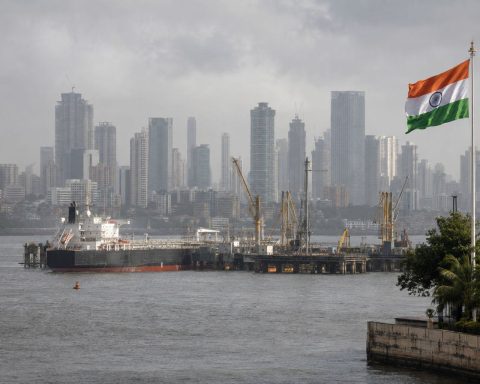
Oil jumped more than $1 a barrel on Thursday, picking up where Wednesday’s rally left off. The market’s attention stayed locked on supply threats, with U.S.-Iran negotiations going nowhere and new disruptions reported in the Strait of Hormuz. Brent crude advanced $1.47 to $103.38 a barrel as of 0931 GMT. U.S. West Texas Intermediate was up $1.40, trading at $94.36.
The surge is resonating far past energy trading floors. Prior to the conflict, about 20% of the world’s oil moved through Hormuz, and now, traders seem to be shifting gears — the market is starting to factor in that the disruption could drag on. SEB’s Bjarne Schieldrop noted sentiment has flipped; where once a quick deal felt possible, now “it may take much longer.” Reuters
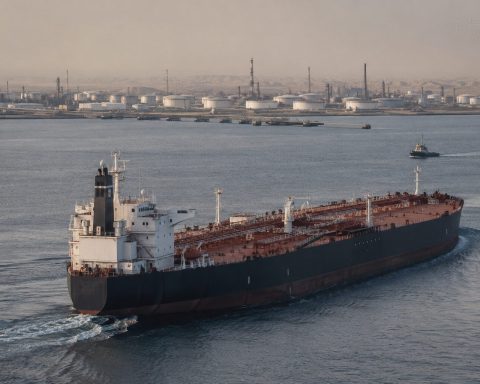
Tensions ratcheted up after Iran grabbed two vessels in the corridor on Wednesday, as the U.S. stuck with its naval blockade. The White House noted President Donald Trump still hasn’t named a fresh deadline for negotiations following the ceasefire extension. Later in London, Brent hovered near $105 a barrel as broader market trading unfolded.
Fresh U.S. numbers intensified the pressure. The Energy Information Administration reported a 1.9 million barrel build in crude stocks last week, but gasoline supplies sank 4.6 million barrels and distillate inventories—covering diesel and heating oil—fell 3.4 million barrels, outpacing what analysts had expected. U.S. crude and petroleum product exports surged to a record 12.88 million barrels per day.
Physical flows are shifting, but the realignment is messy. Asian buyers are snapping up lighter grades out of the United States, Kazakhstan, and West Africa. Still, the region’s crude imports are headed for a steep 22% plunge from last year, dropping to 20.4 million barrels a day in April—the lowest level since 2016. Refinery runs are also set to ease back, falling to roughly 28.5 million barrels per day in April and May, down from March’s 30.4 million. “The deepest run cuts will occur in April,” FGE NexantECA analyst Amir Abu Hassan said. Reuters
Swapping in those alternative barrels doesn’t relieve the pressure on refined fuels. According to Vortexa analyst Emma Li, Middle East crudes typically yield around 60% middle distillates—mainly diesel and jet fuel—compared with just 40% from WTI. Kpler puts middle-distillate supply losses in April between 1.8 million and 2.0 million barrels per day, most of it diesel.
Ripple effects hit broader markets. European stocks slipped, bond yields climbed, and Brent edged toward $105, with investors weighing just how fast Gulf tensions might escalate. “Markets look very on edge here,” said Saxo’s chief investment strategist Charu Chanana, who described it as a “no-war, no-peace zone.” Reuters
Even so, there’s a ceiling here. Any move to resume talks or loosen shipping restrictions could quickly erase much of the geopolitical premium, and elevated prices are starting to dent consumption. On Thursday, S&P Global slashed its 2026 oil demand growth outlook to 400,000 barrels per day from 1.1 million. The firm also flagged that about 178 refineries—around 40% of worldwide refining capacity—are affected by the Hormuz closure.
At the moment, traders are focused on the immediate disruptions rather than betting on any diplomatic resolution down the line. Unless the situation at Hormuz eases and refiners ramp back up, crude prices are likely to hold up, while refined products could remain even tighter than crude itself implies.
Related articles: Energy Markets