
AUSTIN, Texas, April 23, 2026, 03:56 CDT
Tesla delivered a first-quarter profit that topped forecasts on Wednesday, posting $22.39 billion in revenue. The company managed to keep earnings up, thanks to tighter cost controls and an unexpected boost in cash, even as questions swirled about demand for its electric vehicles. Adjusted earnings per share landed at 41 cents, excluding certain items, and GAAP net income available to common shareholders was $477 million.
The numbers carried weight: Tesla entered the results off its softest delivery quarter in a year, with inventory building up. Yet Elon Musk is seeking investor backing for a much bigger move into robotaxis, chips, and humanoid robots. Ahead of Thursday’s open, shares barely budged. The company flagged that free cash flow—money left over post-capex—will probably stay negative through the rest of 2026.
Revenue jumped 16% year-over-year. GAAP gross margin improved to 21.1%, up from 16.3%. Operating margin came in at 4.2%; free cash flow tallied $1.44 billion. By quarter’s end, cash, cash equivalents and short-term investments stood at $44.74 billion. Services and other revenue surged 42%, while energy generation and storage revenue slipped 12%.
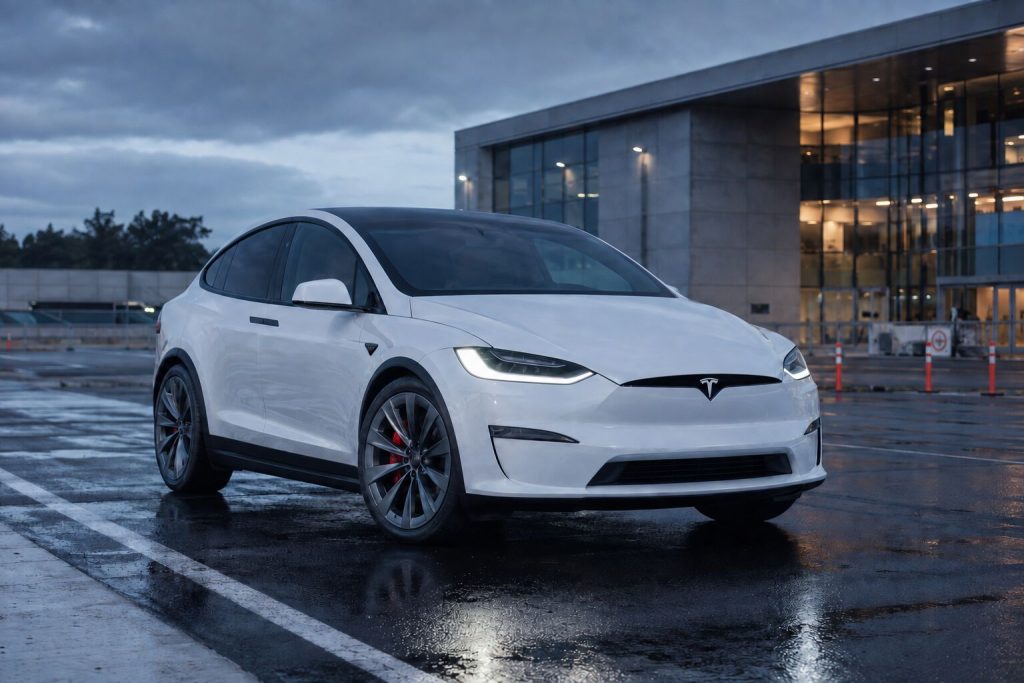
The auto division remained patchy. Tesla handed over 358,023 vehicles for the quarter—a 6% increase from last year but still missing analyst targets. Production outpaced deliveries by 50,363 units. Vehicle inventory worldwide climbed to a 27-day supply, up from 15 days in December.
Elon Musk told analysts Tesla plans a major ramp-up in spending, saying, “We are going to be substantially increasing our investment in the future.” He described the bigger outlays for factories and equipment as “well justified,” arguing they’ll unlock far larger revenue down the line. Tesla now projects capital expenditures will exceed $25 billion this year, Reuters reported, bumping up its January estimate that was above $20 billion. Wedbush’s Dan Ives noted that investors had been pressing for more clarity on how Tesla would bankroll its AI-intensive expansion. Reuters
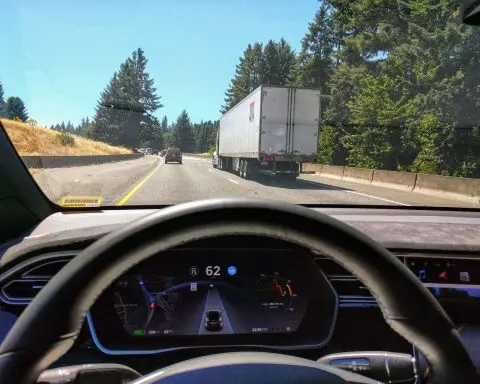
Tesla added some specifics on autonomy in its latest update. Cybercab, Tesla Semi, and Megapack 3 are all still set for scaled-up production in 2026, the company said, while first-gen Optimus assembly lines are being set up. Paid robotaxi miles came in nearly double what they were last quarter. Tesla also rolled out unsupervised robotaxi service in Dallas and Houston in April and notched regulatory sign-off for FSD (Supervised) in the Netherlands—the company’s driver-assist tech that still needs a human watching the wheel.
Tesla now faces stiffer competition on both vehicles and autonomy. Earlier this month, Reuters said the company is working on a more affordable electric SUV, aiming to counter budget offerings from Chinese brands like BYD across China and Europe. The robotaxi space isn’t getting any easier, either—Waymo, owned by Alphabet, and Amazon-backed Zoox are both scaling up. That puts added pressure on Tesla to prove its autonomous business can reach beyond pilot programs.
Tesla is about to take on “a very big capital-investment phase,” CFO Vaibhav Taneja said, and it could stretch over the next several years. That comes with a clear risk: vehicle demand remains weak, and any new delays with Cybercab or Optimus could mean Tesla burns through cash as investors wait for the promised autonomy payoff. Reuters pointed out the company’s track record of missing similar targets in the past. Tesla also said it’s still working through the approval process in China. Reuters
Tesla’s latest quarter gave the company a bit of a cushion. Profits topped expectations, margins held up, and free cash flow ticked positive—relieving some short-term pressure. Still, revenue landed below the $22.6 billion analyst average flagged by Reuters, and the stock barely budged in premarket trading Thursday. Investors, it seems, are holding out for evidence that the company’s AI and robotaxi ambitions will actually deliver before getting behind the shares.
Related articles: NASDAQ:TSLA