
New York, April 24, 2026, 09:00 EDT
- American Express posted first-quarter earnings of $4.28 a share, an 18% increase, as revenue net of interest expense climbed 11% to $18.9 billion.
- AXP was trading at $318.55 as of 8:43 a.m. EDT, off roughly 4.3% from its previous close. Visa and Mastercard slipped too, though not as much.
- The company reaffirmed its 2026 targets—revenue growth of 9% to 10% and EPS between $17.30 and $17.90—but flagged increased marketing and technology costs.
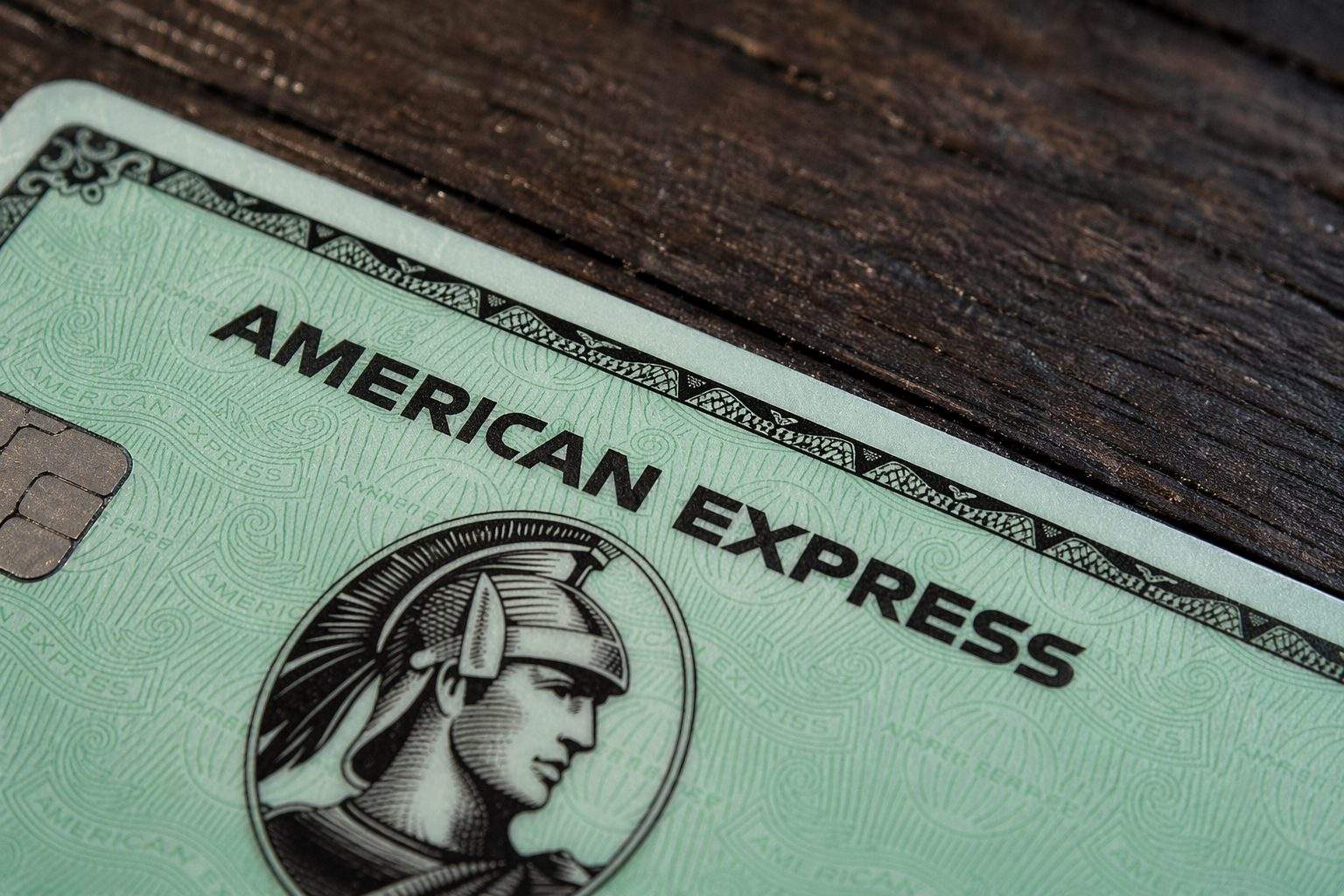
American Express Company dropped 4.3% to $318.55 as of 8:43 a.m. EDT Friday, despite the New York card giant topping first-quarter profit forecasts. Investors zeroed in on weaker airline spending and the company’s plans to ramp up marketing and technology spending.
American Express is getting extra attention these days, seen as an early read on how higher-income consumers are spending. Cardmember spending jumped at its quickest clip in three years, Reuters said, despite lingering headwinds from inflation, fuel prices, and global tensions dragging on travel demand.
Initial market response focused on staying power rather than the earnings beat itself. Shares of Visa and Mastercard, the two bigger payments names, slipped early Friday as well. Still, AmEx fell harder—its stock more exposed to swings in cardholder spending, the cost of rewards, and credit quality than its peers.
American Express reported net income of $3.0 billion for the first quarter, up from $2.6 billion one year ago. Revenue after interest expense hit $18.9 billion. Billed business, the total charged on AmEx cards, reached $428 billion, a 9% gain on a foreign-exchange-adjusted basis, which eliminates the impact of currency moves.
Chief Executive Stephen J. Squeri described the quarter as a “very strong start to the year,” adding that credit performance “remained excellent.” The company stuck with its full-year guidance and plans to ramp up marketing and technology spending to “capitalize on long-term growth opportunities.” Q4 Capital
“Very strong growth across the board,” Chief Financial Officer Christophe Le Caillec said in comments to Reuters. Retail spending jumped 11%, and luxury retail was up 18%. Reuters
Air travel lagged. Despite an 8% quarterly uptick in airline spending, Le Caillec told Reuters there was “some movement and some noise” in volumes late in the period, pointing to the Middle East war and an uptick in refund requests. Reuters
Costs remained a factor. American Express reported consolidated expenses climbing 11% to $13.9 billion, citing increased customer engagement spending, the U.S. Platinum Card refresh, and more customers tapping into travel and lifestyle perks. Provisions for credit losses – funds reserved for potential loan defaults – rose to $1.3 billion from $1.2 billion.
The quarter shows a bit of everything—spending stayed robust, credit quality held up, yet growth got pricier. American Express is leaning into marketing and tech, according to Bloomberg, which also flagged a slowdown in customer air-travel spending.
This isn’t just a straight card-network play. American Express handles card issuing, merchant acquiring, plus the network itself—so higher spending can drive up revenue, but it also bumps up rewards costs, servicing, and credit risk, which doesn’t line up one-for-one with Visa or Mastercard.
Risks aren’t hard to spot. American Express flagged a laundry list in its release: softer economic growth, shakier consumer or business sentiment, job losses, escalations in the Middle East, tariffs, rising energy prices, market swings, and tighter pricing rules—potentially including caps on credit-card interest rates.
The company locked in both the earnings beat and the guidance it was after. But Friday morning, investors were left to weigh whether premium card spending can really keep up with rising costs and travel uncertainty—or if that pressure will eventually force a rethink in the outlook.