
NEW YORK, April 25, 2026, 12:06 (EDT)
• Guggenheim initiated coverage of Shake Shack with a Buy rating and set the price target at $120, joining a recent streak of upbeat analyst opinions.
• Shake Shack is making the change just under two weeks out from its first-quarter earnings report, scheduled for May 7.
• First-quarter foot-traffic looked solid, though questions linger around pricing, cost controls, and how well tech is being put to use.
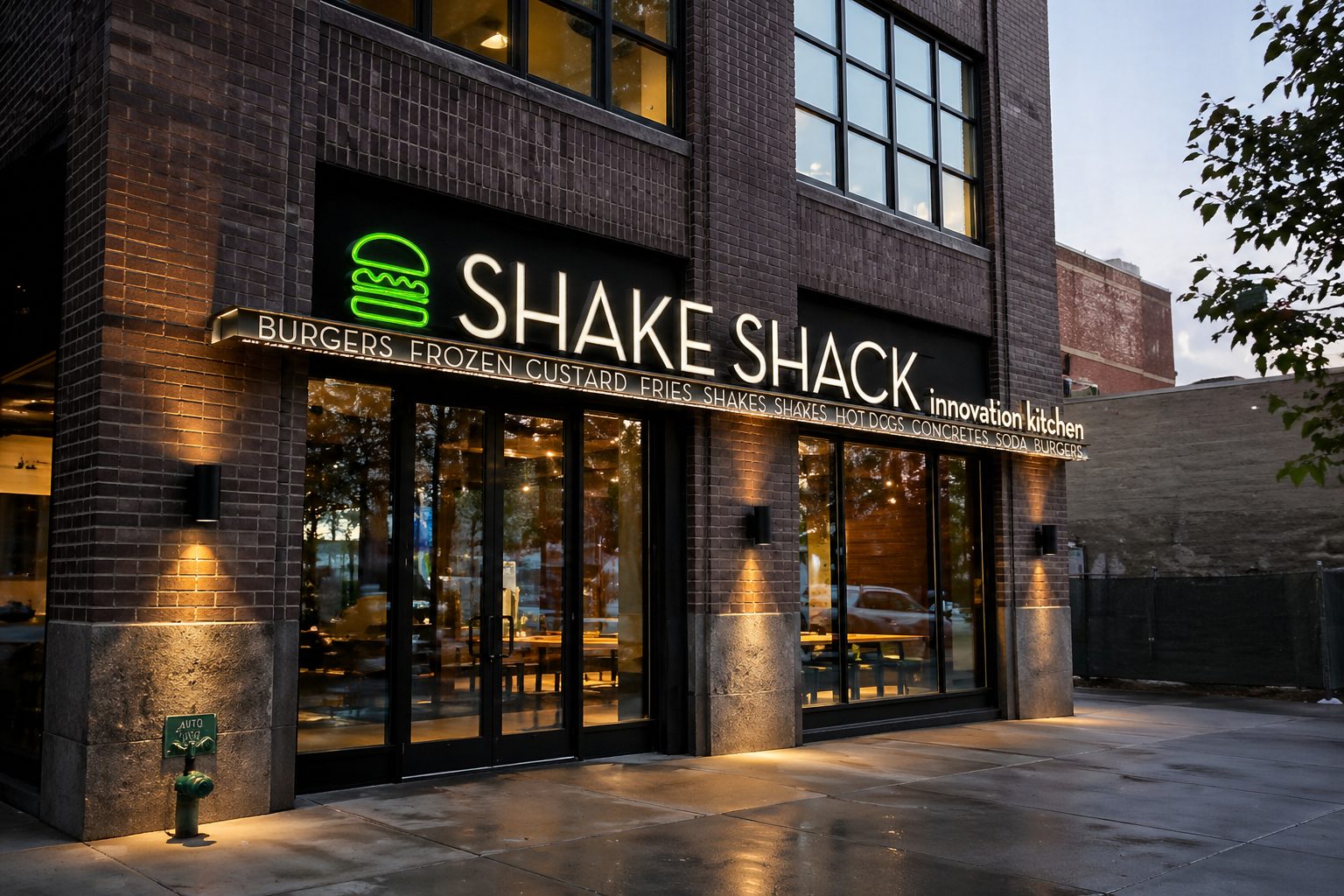
Shake Shack Inc. is drawing more bullish attention ahead of its May 7 earnings: Guggenheim just kicked off coverage on the burger chain with a Buy and gave it a $120 price target, citing margin potential and expansion runway. Shares last changed hands at $103.02, a 5.6% jump on the day.
Timing’s crucial here. Investors want to see Shake Shack drive steadier sales growth—ideally from new locations, quicker service, rising app orders, and an expected loyalty program—rather than simply leaning on price hikes.
Shake Shack plans to report first-quarter earnings ahead of the bell on May 7, with CEO Rob Lynch leading an 8 a.m. ET call. After a year of store openings and margin gains, this is the company’s shot to make its case for the current growth strategy.
Guggenheim’s Gregory Francfort argues Shake Shack is undervalued compared to Chipotle Mexican Grill, even though he sees more room for growth and more expansion potential at Shake Shack, TheFly reported via TipRanks. Francfort described the burger chain as a “margin self-help story” — his shorthand for profit improvement tied to operational efficiency, not just higher top-line numbers. TipRanks
Not every analyst was convinced. JPMorgan’s Rahul Krotthapalli lifted his price target on Shake Shack to $100 from $95, but stuck with a Neutral rating, according to MarketBeat. That keeps his target trailing Guggenheim’s, highlighting disagreement over how much of Shake Shack’s turnaround story is already priced in.
Bulls got another data point to chew on from traffic numbers. According to NACS and Placer.ai, Shake Shack logged a 19.9% jump in year-over-year visits for the first quarter, as of April 24. Every month saw higher average visits per location—January the lone laggard. QSR refers to quick-service restaurants, industry shorthand for fast-food chains.
Placer.ai pointed out that repeat visitors now make up a larger slice of Shake Shack’s traffic, while briefer weekday stops hint that more people are fitting the chain into daily habits. The company’s upcoming loyalty program, according to the firm, might lock in these patterns.
Shake Shack is pinning its hopes on “Project Catalyst,” a tech overhaul unveiled April 1. The company plans to revamp its point-of-sale and kitchen display systems, roll out more AI-driven solutions, and debut a loyalty program—steps aimed at supporting a goal of 1,500 company-run Shacks. Shake Shack Investor Relations
“Shake Shack is entering a significant phase of growth,” Lynch said in the announcement, pointing to investments designed to streamline operations and sharpen the guest experience. Justin Mennen, chief information and technology officer, described a plan to weave POS, digital, loyalty, and AI tools “into one ecosystem.” Shake Shack Investor Relations
Shake Shack’s core operations kept expanding. For 2025, the company posted $1.45 billion in revenue, a 15.4% increase, with system-wide sales reaching $2.23 billion. Same-Shack sales—tracking locations open at least 24 months—grew 2.3%. Restaurant-level profit margin came in at 22.6% of Shack sales, based on the company’s non-GAAP metric that excludes certain corporate expenses.
The company is projecting revenue to hit somewhere between $1.6 billion and $1.7 billion in 2026, with low-single-digit gains expected for same-Shack sales. Restaurant-level profit margin should land in the 23.0% to 23.5% range. Management is planning for about 55 to 60 new company-operated locations, plus another 40 to 45 licensed openings.
There’s a risk here of things looking a little too tidy. Guggenheim flagged that aggressive cost cuts could end up hurting the customer experience, and pointed out that higher burger prices could hit resistance if shaky labor markets, oil prices, or election jitters ramp up later this year. Shake Shack, for its part, has its own list of risks for Project Catalyst—execution issues ranging from vendors and data privacy to cybersecurity and whether those AI tools really end up making the business more efficient.
Next up: May 7. That’s when we’ll see if traffic growth actually translates into stronger same-Shack sales and margins—without scaring off customers. Should those numbers materialize, Shake Shack has a better shot at justifying its growth push. If the gains fall short, Friday’s jump could turn out to have been wishful thinking.
![Australia Stock Market Today 27/08/2026 [UPDATE: 12:45 AEST] [Ramsay Defies ASX Slide as Rate-Hike Bets Sink Tech]](https://ts2.tech/wp-content/uploads/2026/08/AU-market-dashboard-2026-08-27-1241-480x384.jpg "Australia Stock Market Today 27/08/2026 [UPDATE: 12:45 AEST] [Ramsay Defies ASX Slide as Rate-Hike Bets Sink Tech]")