
LOUISVILLE, Colo., April 26, 2026, 09:03 MDT
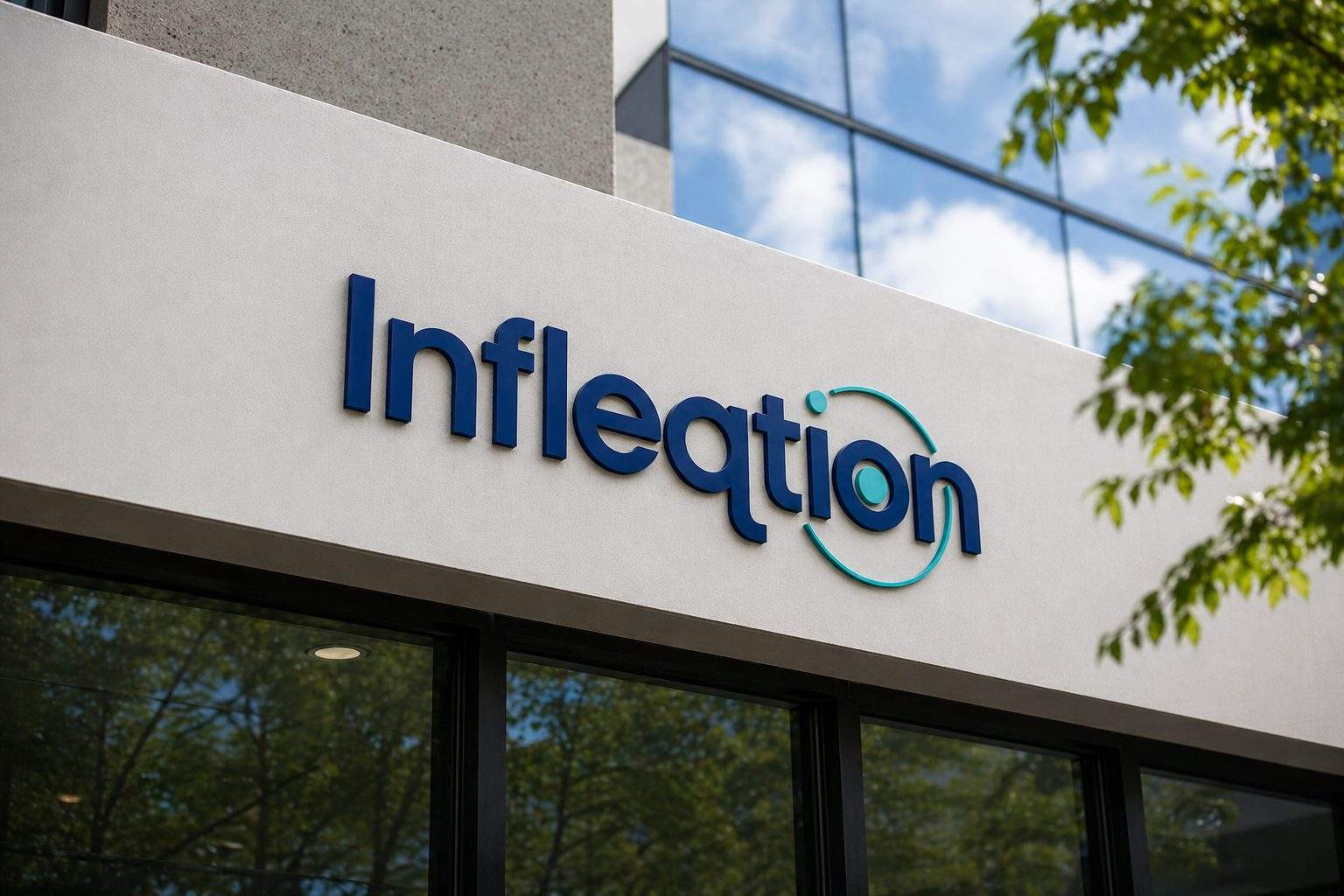
Infleqtion Inc. ran into new turbulence in the public markets this weekend as LCP Quantum–linked funds distributed more than 30.5 million common shares to their own investors, a Friday Form 4 shows. The shares were handed out pro rata, for no consideration, the filing said. This action strips the reporting parties of their 10% owner status in the quantum tech firm.
Interesting timing here—Infleqtion is only just making its public quantum debut, giving investors a chance to reassess the sector’s rookies while larger holders shuffle stakes. On Friday, the stock ended the session at $13.27, down about 5% from the prior close, according to AAII data.
The ownership change isn’t just a box to tick; it lands as investors digest a barrage of government and corporate developments against a landscape marked by weak revenues, heavy losses, and persistent questions for quantum computing—mainly, when will real, sellable systems move from the lab into the market?
Infleqtion is based in Louisville, Colorado, developing quantum computers, precision sensors, and software for a mix of government, enterprise, and research customers. The company was known as ColdQuanta until its January 2026 rebrand to Infleqtion, according to AAII.
Infleqtion made its market debut as INFQ back in February, touting its status as the first pure-play neutral-atom quantum firm to go public and securing more than $550 million in new investment. The company uses neutral-atom systems—where individual atoms are trapped to function as qubits—instead of the more typical superconducting circuits or ions.
Infleqtion landed a $2 million contract last week from the Defense Advanced Research Projects Agency (DARPA), part of its Heterogeneous Architectures for Quantum effort. The company says the money will go toward Multistaq—software built to enable quantum platforms with different qubit types to work together.
Pranav Gokhale, Infleqtion’s CTO, highlighted Superstaq’s track record in the company’s DARPA announcement, framing it as the next launchpad: “Building on the success of Superstaq, we are advancing the software foundation needed to unlock real-world performance gains and accelerate the deployment of mission-relevant quantum capabilities.” Infleqtion, Inc.
The DARPA project doesn’t represent a huge outlay, but it’s a definite statement. Quantum companies now look more and more to defense and energy agencies to secure money and deals, since commercial demand is uneven. So far, government dollars are flowing to early-stage uses: navigation, sensing, timing, new materials, and infrastructure security. Broad quantum computing, though, isn’t getting the same commitment—at least, not yet.
Infleqtion has put out fresh guidance: $40 million in revenue on the books for 2026. For 2025, revenue landed at $32.5 million, but the company also recorded an operating loss of $35.3 million. The most recent updates—collaborating with Safran on a quantum timing product, sending a 100-physical-qubit machine to the U.K. National Quantum Computing Centre, securing ARPA-E funding, and supporting a NASA mission.
It’s turning into a crowded field. This month, IonQ, D-Wave Quantum, and Rigetti Computing all saw fresh investor interest, with Nvidia’s launch of Ising — an open-source AI suite meant to tackle calibration and error correction for quantum hardware — putting the spotlight on the group.
The risk here is plain enough. When ex-10% holders hand out shares, technically it’s not a direct sale, but it does widen the pool of shareholders—raising the specter of more supply down the line. The underlying problem, though: Infleqtion’s guidance is just that—guidance. The company itself has cautioned that its forecasts, demand predictions, and expectations for commercial growth could end up well off the mark.
Infleqtion boasts government deals, high-profile partners, and a fresh injection of public funds. The challenge now: show that its quantum tech can turn these strengths into consistent income, and do it before patience in the market runs out.
Related articles: Stock Market