
SYDNEY, April 27, 2026, 18:29 AEST
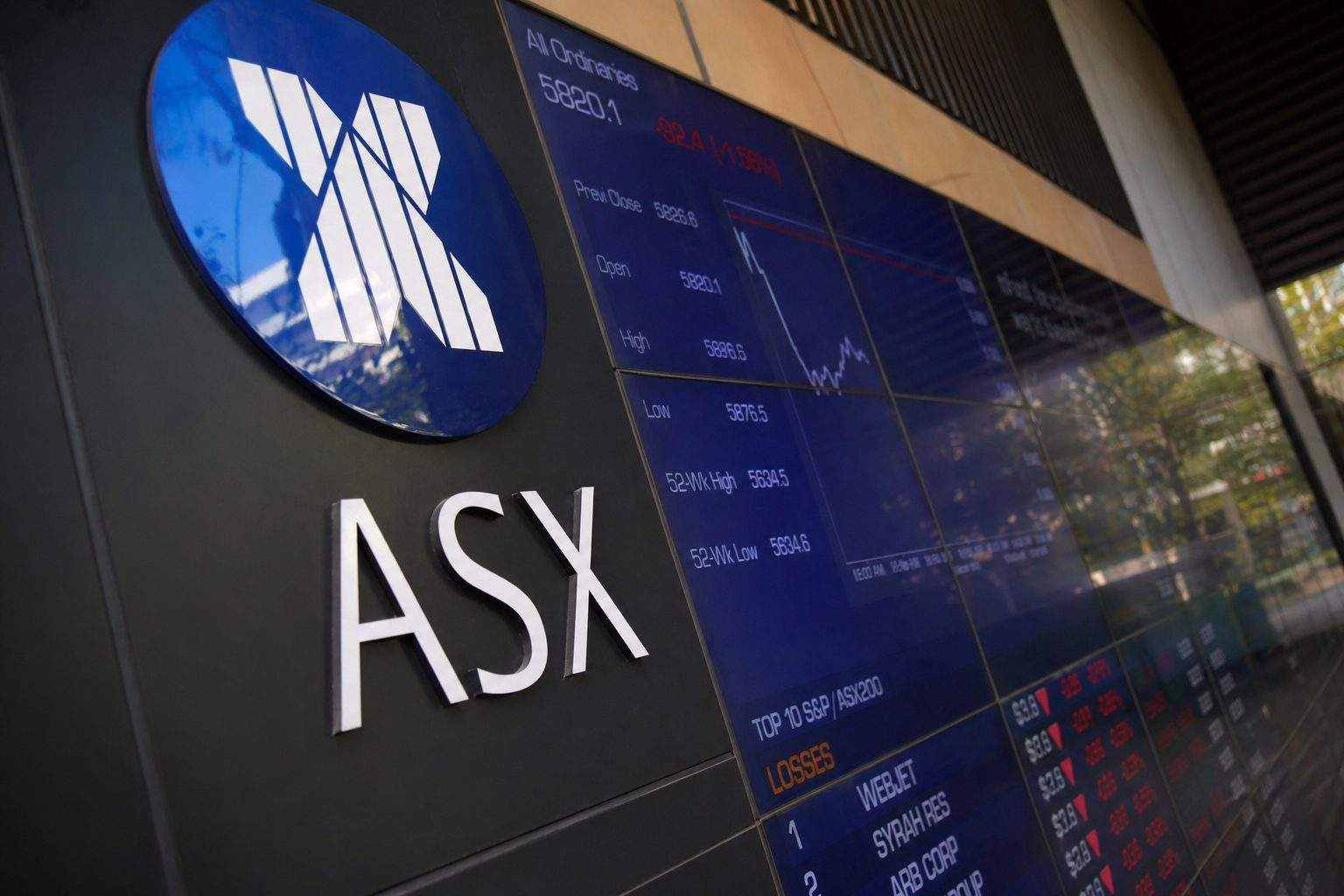
The S&P/ASX 200 shed 20.1 points, or 0.23%, finishing at 8,766.40 on Monday as Australia’s share market logged its fifth consecutive loss. Gains in the mining sector, plus a takeover-fueled surge for Atlas Arteria, couldn’t outweigh losses among energy, utilities, and banks.
Local shares slipped, shrugging off Wall Street’s latest highs—both the S&P 500 and Nasdaq finished last week at records. In Sydney, the attention turned to oil prices, inflation pressures, and the looming Reserve Bank of Australia decision next week. That combination proved rough for rate-sensitive banks and consumer names.
Wednesday brings March CPI figures from the Australian Bureau of Statistics, a key gauge for household inflation. With the RBA’s next rate call set for May 5, this data point could have an outsized impact on bank stocks and the Australian dollar.
Hebe Chen at Vantage Markets pointed to the collapse in U.S.-Iran diplomacy as just the spark. The bigger weight, she said, remains a “toxic cocktail of unresolved geopolitics, sticky inflation and monetary policy uncertainty.” On top of that, investors are bracing for a lackluster bank earnings stretch, with ANZ set to post results Friday. Indo Premier
Nine out of 11 sectors on the ASX 200 finished lower. Utilities shed 2.81%, energy was down 1.87%, and financials declined by 0.47%. On the other side, materials managed a 0.63% lift, with healthcare just in positive territory, edging up 0.07%. The All Ordinaries eased 0.17% to 8,990.80. Late in the day, the Australian dollar hovered around 71.61 U.S. cents.
Oil remained in focus, with Brent crude climbing over 2% during Asian hours. The breakdown in U.S.-Iran peace negotiations fueled expectations of more turbulence in Middle East energy shipments, raising concerns that rising fuel prices might push inflation higher.
Origin Energy led losses, dropping 5.25% to A$12.10. The company flagged softer March-quarter revenue from its Australia Pacific LNG stake and trimmed earnings guidance for Octopus Energy. Chief Executive Frank Calabria pointed out that oil-price shifts don’t fully impact long-term export deals until FY27, thanks to a “lagged effect.” Shares of Viva Energy, another energy name, slid 3.75%. Reuters
Miners lent a hand to the index. BHP and Rio Tinto posted gains, lifted by the rebound in materials. Higher bullion prices also propped up gold stocks. Still, banks and energy names dragged, outweighing the advances.
Atlas Arteria jumped to the top of the leaderboard after revealing an unsolicited takeover proposal from IFM. According to the filing, IFM put forward an offer of A$4.75 in cash per security, which would increase to A$5.10 if IFM’s stake hits at least 45%. Atlas urged shareholders not to act yet, saying an independent board committee is still assessing the offer.
Megaport managed to defy the broader market’s weakness. Its Latitude.sh subsidiary landed a 36-month deal for compute and storage services, valued at around US$25.1 million (A$35.4 million), with a U.S. developer-tools firm that wasn’t named. “An explosion in AI use cases” is fueling appetite for compute and storage, CEO Michael Reid said. Business News Australia
There’s a catch for bears: if diplomatic talks pick up near the Strait of Hormuz, oil could slip, softening the inflation angle. On the flip side, things get simpler—should CPI data run hot, or if the RBA comes out sounding tougher, banks and rate-sensitive names could find themselves boxed in, with minimal margin for mistakes.